Travel tips · Dharan
The Best Time to Visit Dharan
October to March brings clear skies and the best Bhedetar views — here's the season-by-season guide.
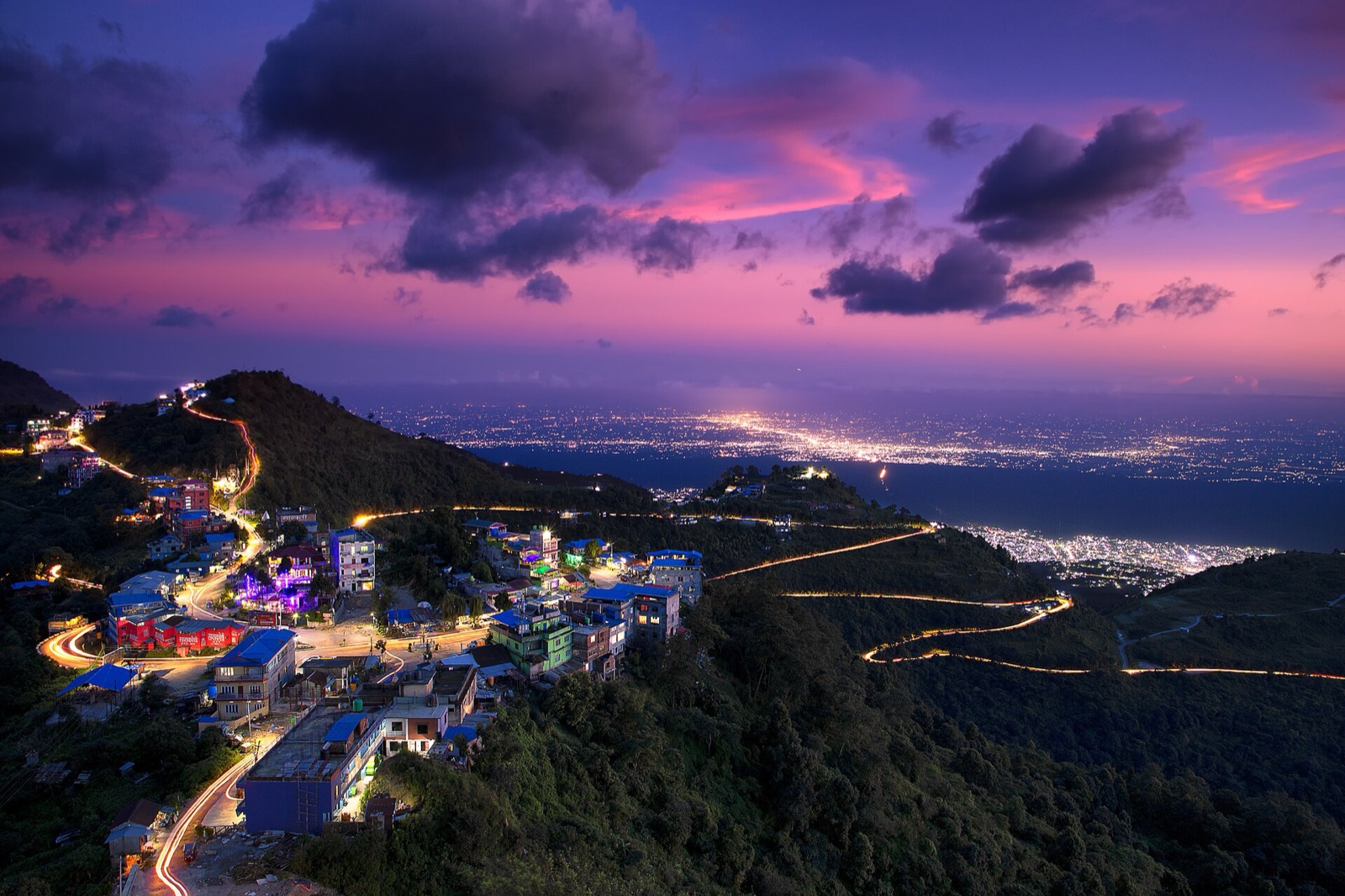
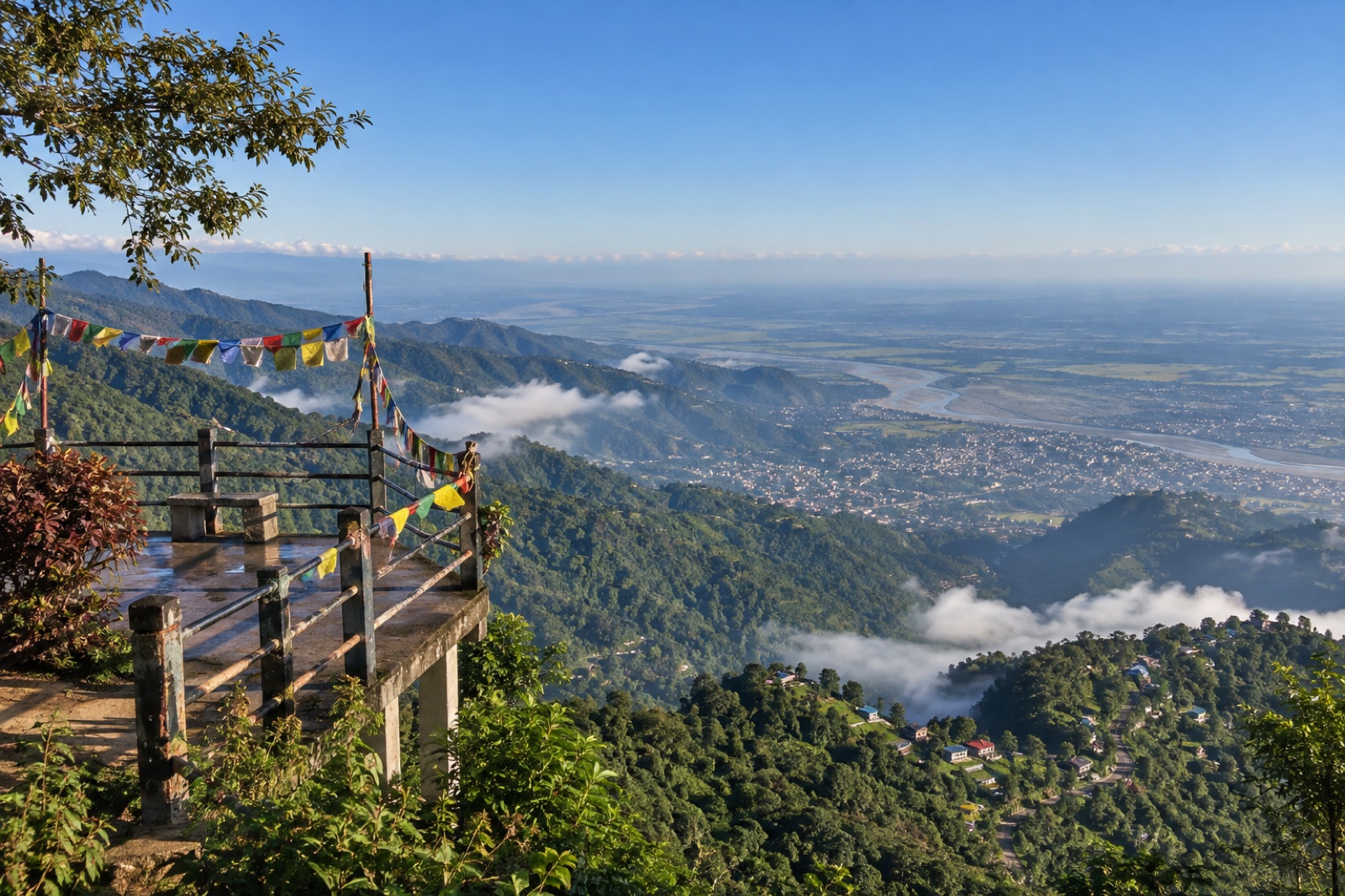
The best time to visit Dharan is the dry, cool season from October to March, when skies are clear, the views from Bhedetar are at their widest and the hilltop temples are comfortable to explore. As a lowland city at the foot of the eastern hills, Dharan is warm for much of the year, so timing matters. Here is the season-by-season picture.
The short answer
Come in autumn (October–November) or winter (December–March) for the clearest weather, the best Bhedetar panoramas and the liveliest festival season. Avoid the monsoon (June–September) if you dislike heat, humidity and rain — though it does make the city's waterfalls run full.
Season by season
Autumn (October–November)
The prime window. Clear skies, comfortable temperatures and the great festivals of Dashain and Tihar make this the most rewarding time to visit, with the temples at their most vivid.
Winter (December–March)
Mild, dry and pleasant in the lowland city, with cool, sometimes misty air up at Bhedetar. Shivaratri around February to March is a major day at Pindeshwar Temple, and Maghe Sankranti in January draws pilgrims to Chatara on the Koshi.
Pre-monsoon (April–May)
Hot and increasingly humid in the plains, though the hills offer some relief. Haze can soften the long views from Bhedetar.
Monsoon (June–September)
Hot, sticky and wet, with frequent heavy rain and cloud-covered ridges. The upside is lush greenery and a full flow at Namaste Falls.
Festivals to plan around
Dharan's calendar is shaped by its temples. Dashain and Tihar in autumn are the biggest celebrations, when the hilltop shrines fill with worshippers and the whole city takes on a festive mood. Shivaratri in late winter centres on the Shiva temple at Pindeshwar, with all-night vigils, while Maghe Sankranti in January draws pilgrims down to the holy bathing ghats at Chatara on the Koshi. Timing a trip to one of these turns a straightforward city visit into something memorable, though you should expect crowds and book accommodation early.
Choosing your season
If your main goal is views and comfortable sightseeing, aim squarely for the clear, dry months of late autumn through winter, when the Bhedetar viewpoint is at its best and the temple circuit is a pleasure rather than a sweat. If you are drawn to lush scenery and full waterfalls, the monsoon has its own appeal despite the heat and rain, with Namaste Falls at its most dramatic. For most travellers, a visit between October and March hits the sweet spot of good weather, big festivals and clear mountain air.
Good to know
- For views: Clear autumn and winter mornings give the best Bhedetar panoramas.
- For festivals: Plan around Dashain, Tihar and Shivaratri — see Nepal's wider festival calendar.
- Plan ahead: Pair your dates with how to get to Dharan and the top things to do in Dharan. For the national overview, read the best time to visit Nepal.
Frequently asked questions
What is the best time to visit Dharan?+
The best time is the dry, cool season from October to March, when skies are clear, the Bhedetar views are at their widest and temple-hopping is comfortable. This window also covers the major Dashain and Tihar festivals in autumn.
What is the weather like in Dharan?+
As a lowland city at the foot of the hills, Dharan is warm to hot for much of the year and humid in summer. Winters are mild and pleasant, while the monsoon from June to September brings heavy rain and sticky heat.
Is the monsoon a bad time to visit Dharan?+
The monsoon (June to September) is hot, humid and wet, and Bhedetar is often cloud-covered. On the upside, waterfalls like Namaste Falls run full and the hills are lush, so it can suit travellers who don't mind rain.
When are the main festivals in Dharan?+
Dashain and Tihar in autumn (around September to November) are the biggest celebrations, vivid at the city's temples. Shivaratri (around February to March) is important at Pindeshwar, and Maghe Sankranti in January draws pilgrims to nearby Chatara.