Nepal travel guide
Everest Region
The Sherpa homeland beneath the world's highest peak — Namche Bazaar, the Solu foothills and the trail gateways, with everything to plan a visit in one place.

The Everest region — the Khumbu and Solu valleys spread below the world's highest peak — is the Sherpa heartland of Nepal and the goal of every trekker chasing a first sight of Everest. It is a landscape of high trading towns, hillside monasteries and suspension bridges strung over glacial rivers, where the trails climb steadily toward a skyline of Ama Dablam, Lhotse and Everest itself.
How to explore the Everest region
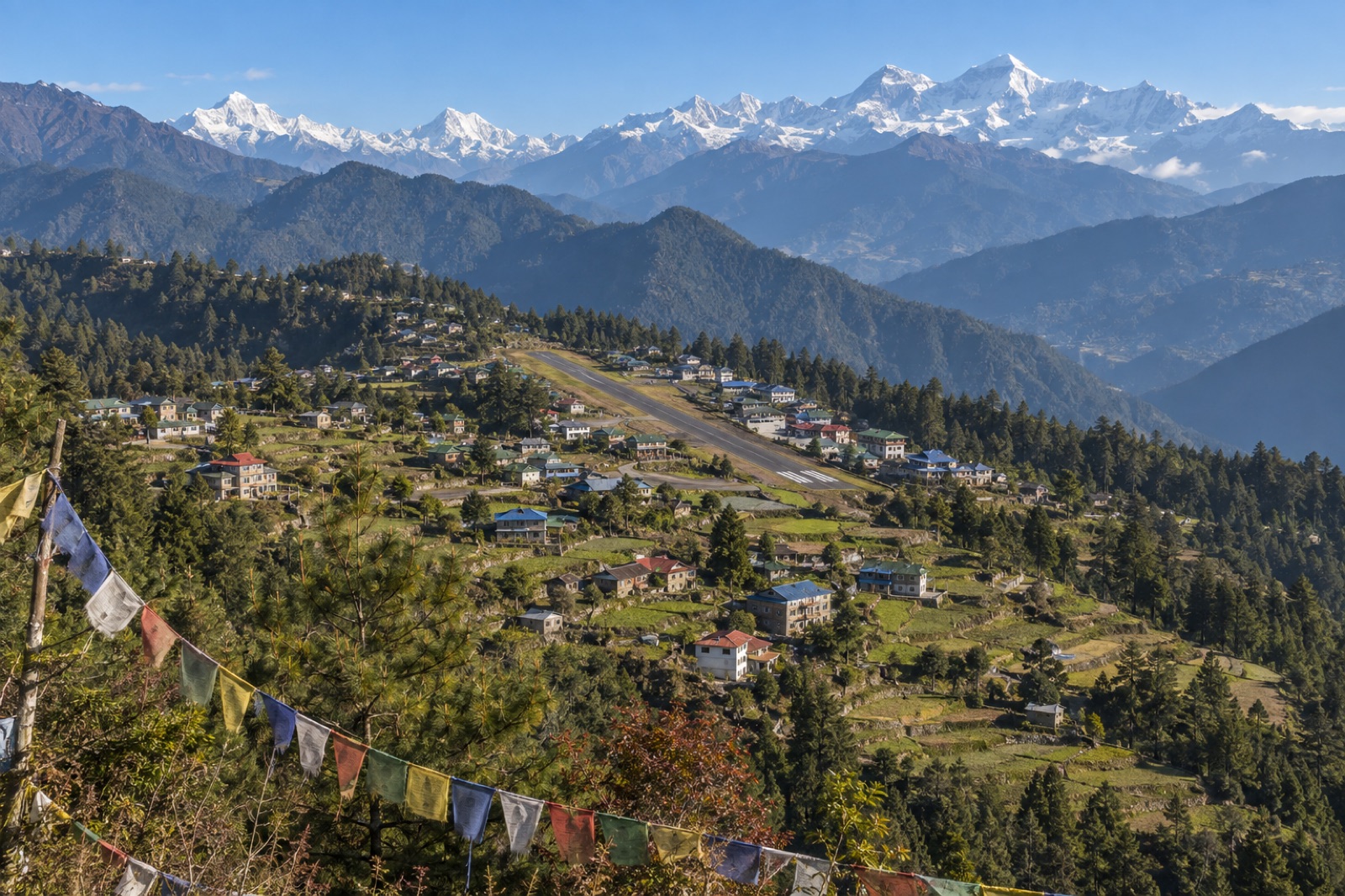
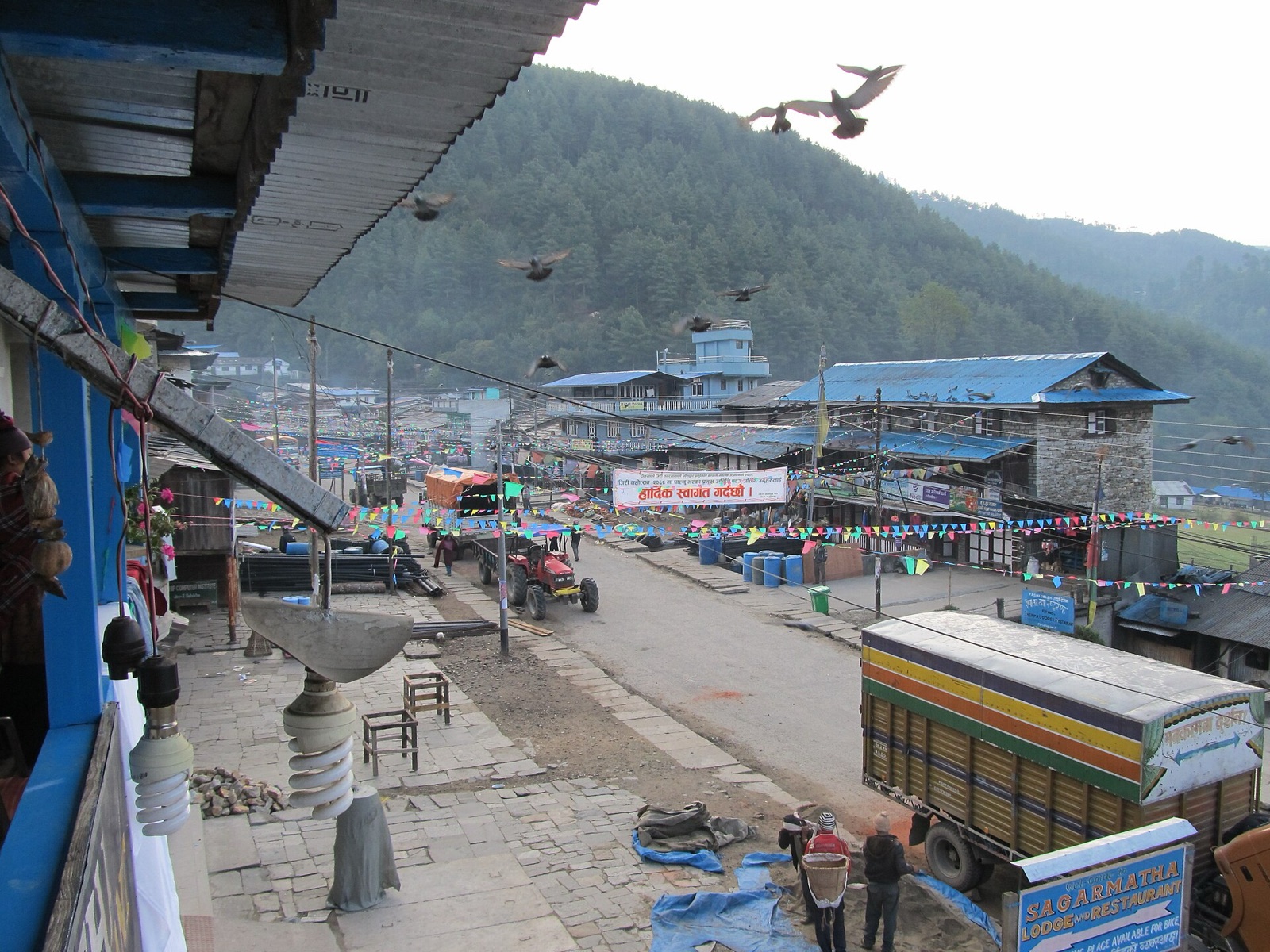
Most journeys hinge on Namche Bazaar, the Sherpa capital where trekkers acclimatise before pushing higher toward Base Camp. To walk in the slow, classic way, start from the Solu foothills at Phaplu or the original expedition trailhead at Jiri, both reached by road from Kathmandu, and let the days on foot build your altitude gradually. Pick a destination below to dive into its trails, stays and food.
Destinations in this region
Frequently asked questions
What is the Everest region known for?+
The Everest region — the Khumbu and Solu valleys of north-east Nepal — is the Sherpa homeland and the gateway to Mount Everest, the highest peak on Earth. It is famous for the Everest Base Camp trek, the bustling mountain trading town of Namche Bazaar, hilltop monasteries like Tengboche, and dramatic views of Everest, Lhotse, Ama Dablam and other giants of the high Himalaya.
How do you get to the Everest region?+
Most trekkers fly from Kathmandu to the tiny airstrip at Lukla and walk in from there, often pausing at Namche Bazaar to acclimatise. A slower, road-and-trail alternative starts from Phaplu or the classic trailhead at Jiri, both reachable by road from Kathmandu, letting you walk in gradually the way the first expeditions did.
How many days do you need in the Everest region?+
A full Everest Base Camp trek typically takes 12 to 14 days round trip, including acclimatisation days at Namche Bazaar. Shorter visits — flying in to Lukla and trekking to Namche and Tengboche — can be done in about a week. Adding the Jiri or Phaplu approach on foot extends the trip by several days but eases altitude gain.
When is the best time to visit the Everest region?+
The two main trekking seasons are spring (March to May), when the rhododendrons bloom and skies clear, and autumn (late September to November), with the most stable weather and sharp mountain views. Winter brings cold and snow at altitude, while the summer monsoon clouds the peaks and clears the trails of crowds.
Plan your Nepal trip
Pick your dates, then let a guided package sort the permits, transport and lodges for you.

