Nepal travel guide
Far West & Karnali
Nepal's wildest, least-visited frontier — Dolpo, Rara, Simikot, Khaptad and Dhorpatan, with everything to plan a trip in one place.

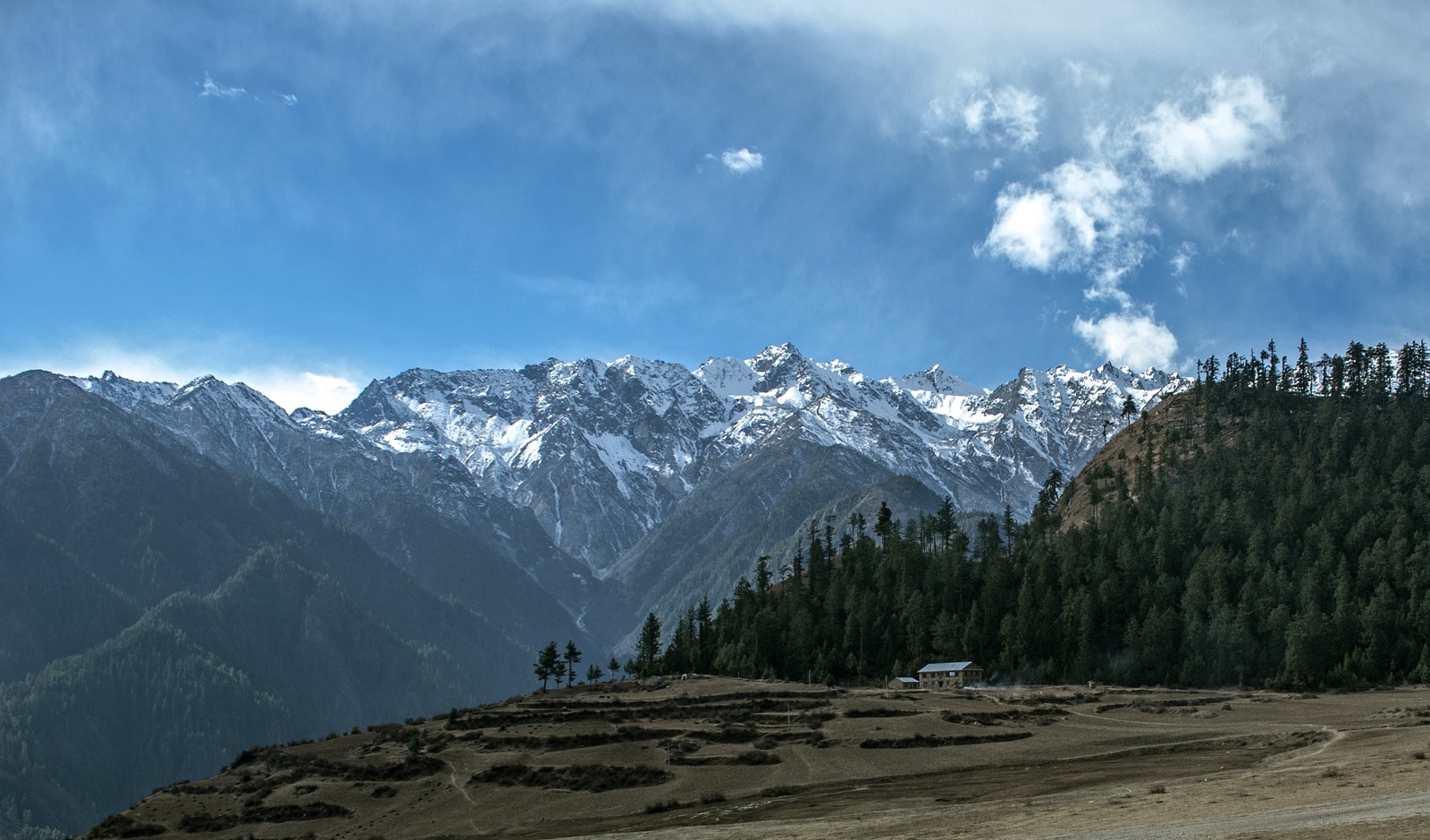
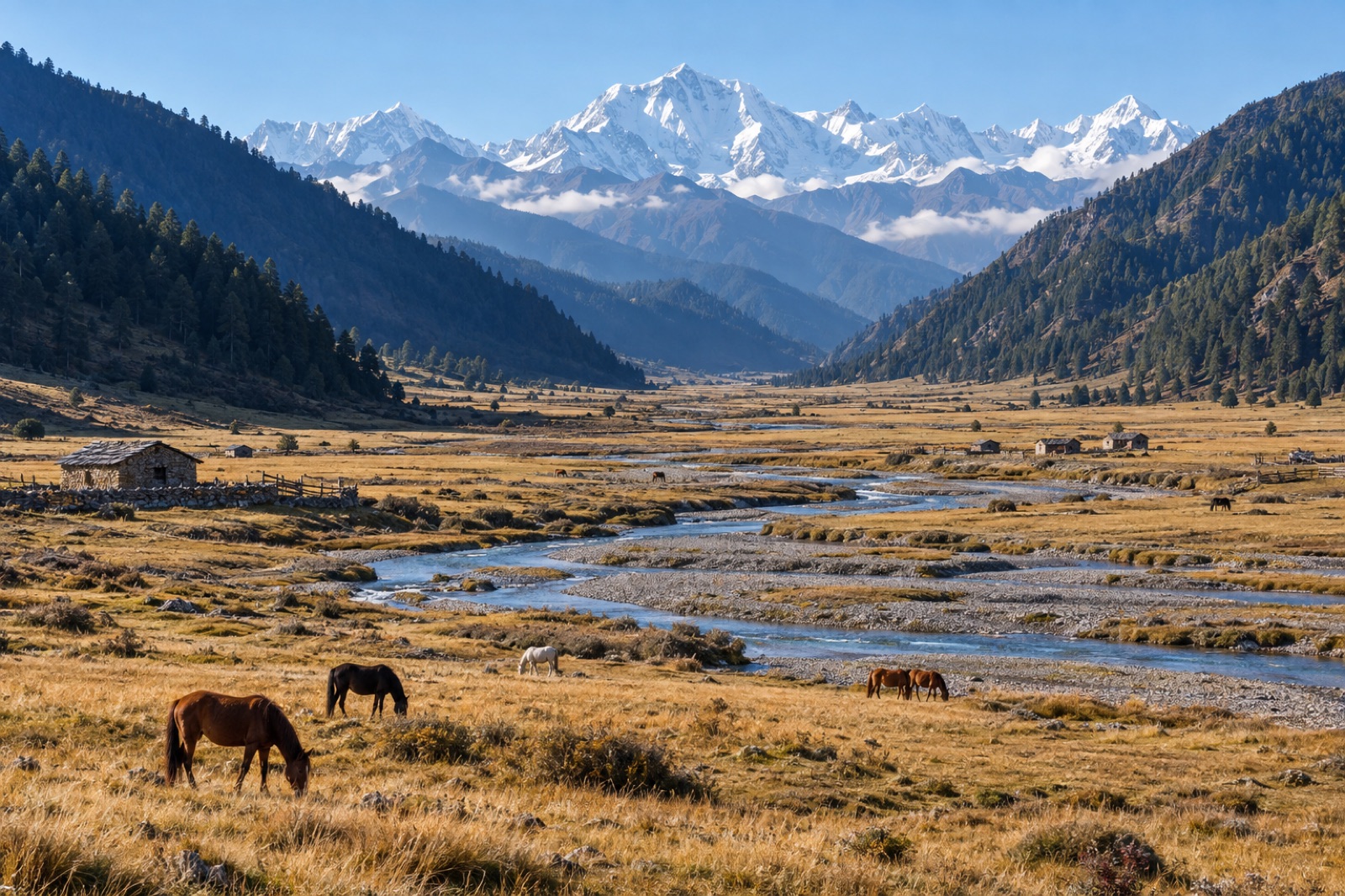
Far-western Nepal and Karnali make up the country's wildest, emptiest corner — a region of trans-Himalayan valleys, sacred lakes, rolling plateaus and trails that see a fraction of the trekkers who fill the Annapurna and Everest regions. Getting here takes time and usually a flight or two, but the reward is raw Himalayan landscape, living Bon and Buddhist culture, and some of the rarest wildlife in Nepal.
How to explore the Far West & Karnali
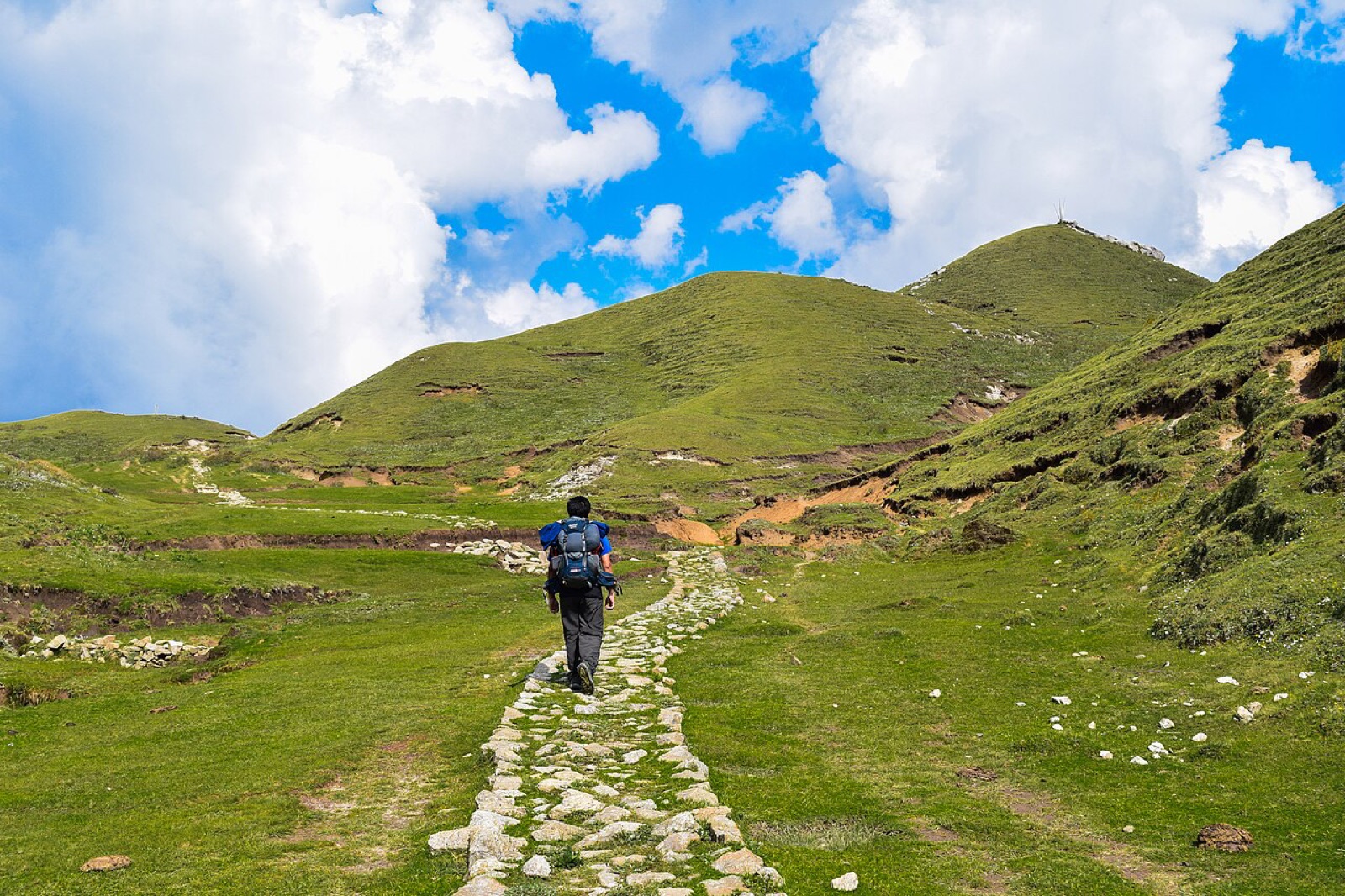
Fly in via Nepalgunj, the gateway for the whole region: hop to Juphal for Dolpo and Phoksundo Lake, to Talcha for Rara and its national park, or to Simikot for Humla and the Limi Valley. Further south and west, Khaptad's meadow plateau and the remote Dhorpatan hunting reserve reward longer overland approaches and multi-day walks. Most trips here run with a local operator and the right restricted-area permits — pick a destination below to dig into its trails, seasons and logistics.
Frequently asked questions
What is far-western Nepal and Karnali known for?+
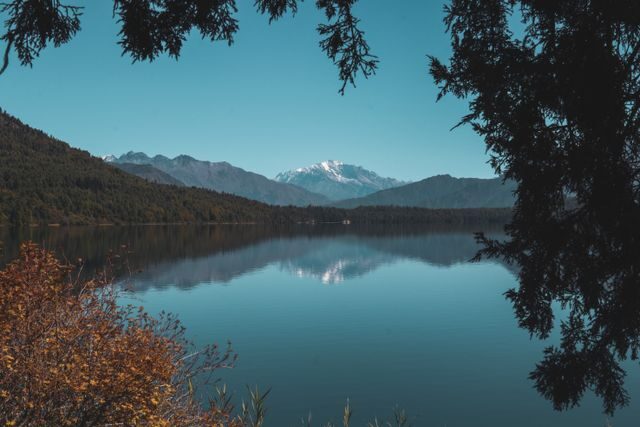
It is Nepal's most remote and least-visited frontier — a vast sweep of trans-Himalayan valleys, high plateaus and wild rivers. The highlights are turquoise Phoksundo Lake and the Bon monasteries of Dolpo, Rara Lake (Nepal's largest) in Mugu, the Humla trailhead of Simikot on the route to Mount Kailash, the rolling meadow plateau of Khaptad, and the Dhorpatan hunting reserve with its blue sheep and Dhaulagiri views.
How do you get to far-western Nepal?+
Most of the region is reached by air. Flights from Nepalgunj serve Jumla and Talcha (for Rara), Juphal (for Dolpo) and Simikot (for Humla), often with a connection from Kathmandu or Pokhara. Khaptad and Dhorpatan are reached by long road journeys plus multi-day walks. Distances are big and schedules weather-dependent, so build in buffer days.
When is the best time to visit the Far West and Karnali?+
Spring (April to May) and autumn (late September to November) are the prime windows, with clear skies, open trails and the high passes free of deep snow. Summer brings the monsoon and leeches at lower elevations, while winter closes many high routes with snow. Rara and Khaptad are especially beautiful in autumn; Dolpo's high passes need a settled spring or autumn weather window.
Do you need permits for the Far West and Karnali?+
Yes, for much of it. Dolpo and Humla (Simikot, Limi Valley) lie in restricted areas that require special permits arranged through a registered agency, and Lower Dolpo, Rara, Khaptad and Dhorpatan all sit inside national parks or reserves with entry fees. Each destination guide below has the detail, but in practice almost every trip here is organised with a local operator.
Plan your Nepal trip
Pick your dates, then let a guided package sort the permits, transport and lodges for you.

