Trekking · Nepal
Luxury Trekking in Nepal
Comfort lodges, private guides and helicopter transfers let you trek Nepal without the rough edges — within limits.
You can trek Nepal in real comfort, but only on the right routes. The honest rule is simple: luxury lives in the foothills, while teahouses take over with altitude. A handful of lower trails — mostly in the Annapurna foothills near Pokhara — have upmarket lodges with private bathrooms, good food and big mountain views. Higher up, comfort comes instead from private guides and porters, the best available lodges and helicopter transfers that cut out the hardest days.
Where comfort lodges actually exist
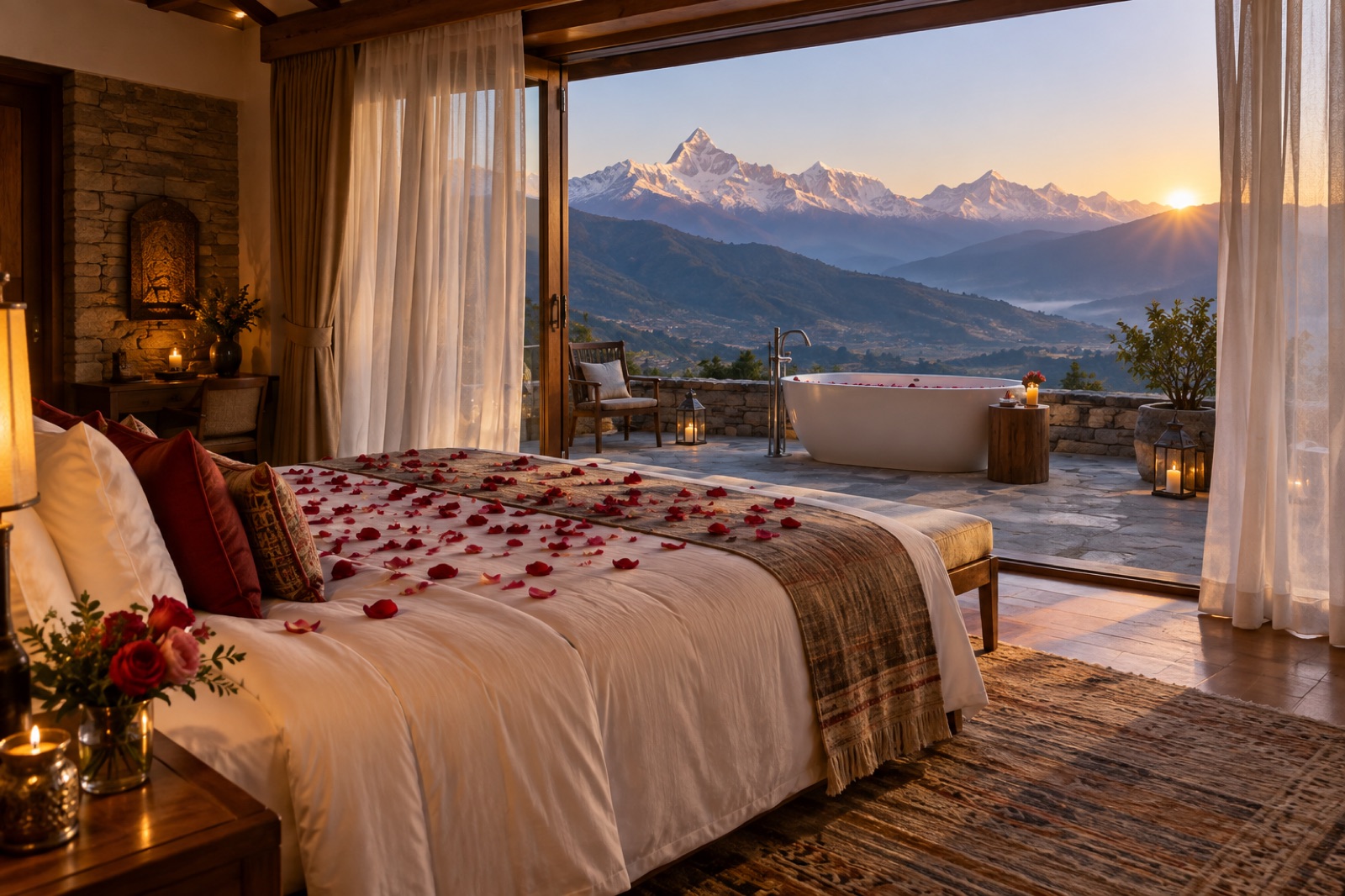
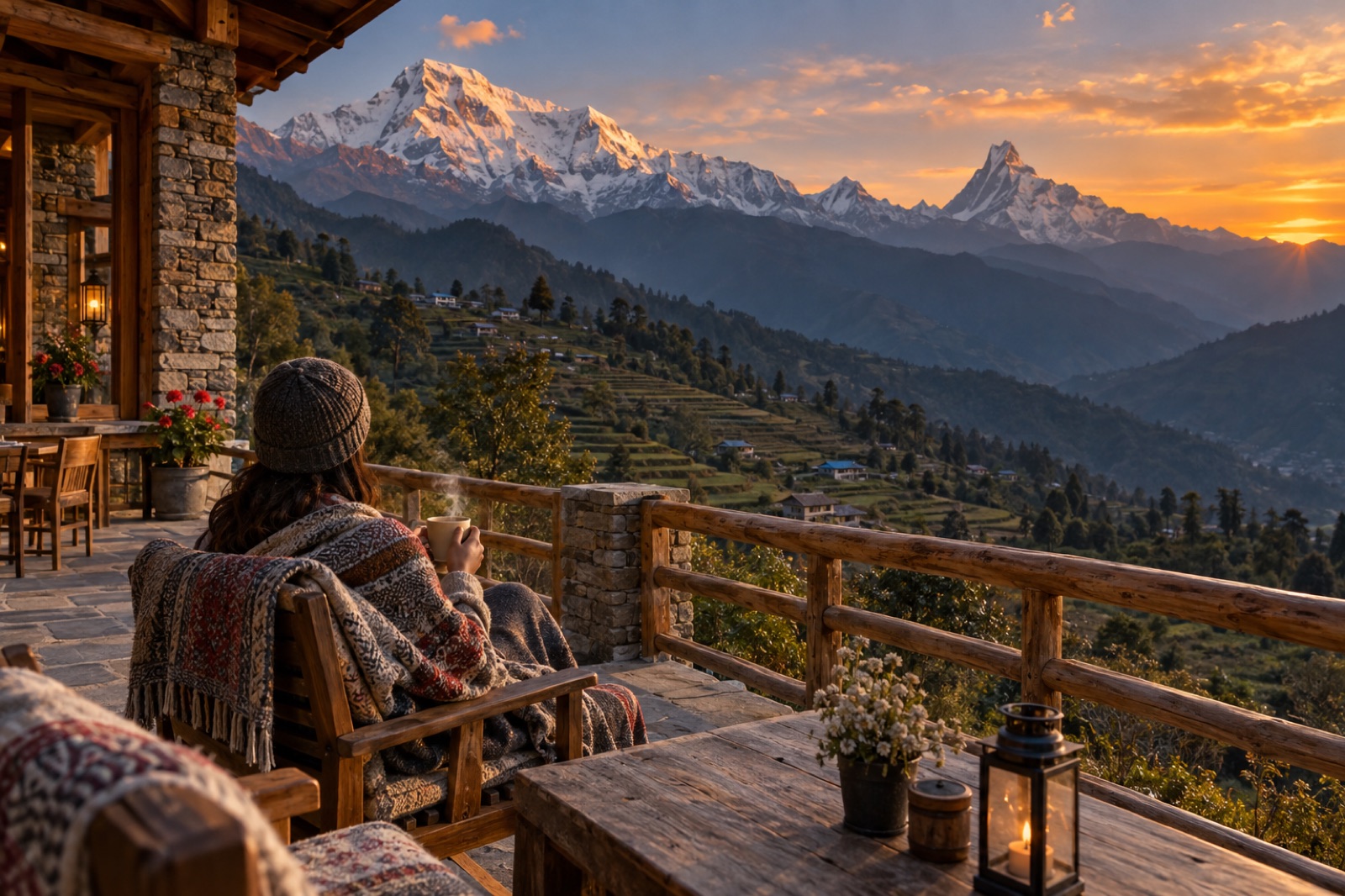
The Annapurna foothills are the heart of comfortable trekking. Short, scenic routes linking villages like Ghandruk, Dhampus and Australian Camp can be walked over a few easy days from Pokhara, with some of Nepal's finest lodges along the way. You get sunrise over Annapurna and Machhapuchhre, hot showers, proper beds and excellent food, without committing to a long expedition. These same hills suit honeymooners, so cross-check the best honeymoon hotels in Nepal if romance is part of the plan.
The reality higher up
Above the foothills, lodges are simple by nature — friendly teahouses with shared facilities, limited heating and basic menus. No amount of money turns them into five-star hotels, and that rustic character is part of the experience. What you can upgrade is the support around you.
How to add comfort at altitude
- Private guide and porter: The biggest single upgrade — logistics, safety, pacing and the best rooms secured for you.
- Best available lodges: A good operator books the most comfortable teahouses on each stage in advance.
- Helicopter transfers: Shorten long walking days, skip difficult sections or reach high viewpoints; weather-dependent and costly, so keep flexible days.
- Acclimatisation discipline: Comfort means nothing if you climb too fast — pace yourself and read our altitude sickness in Nepal guide.
Pairing trek and hotel
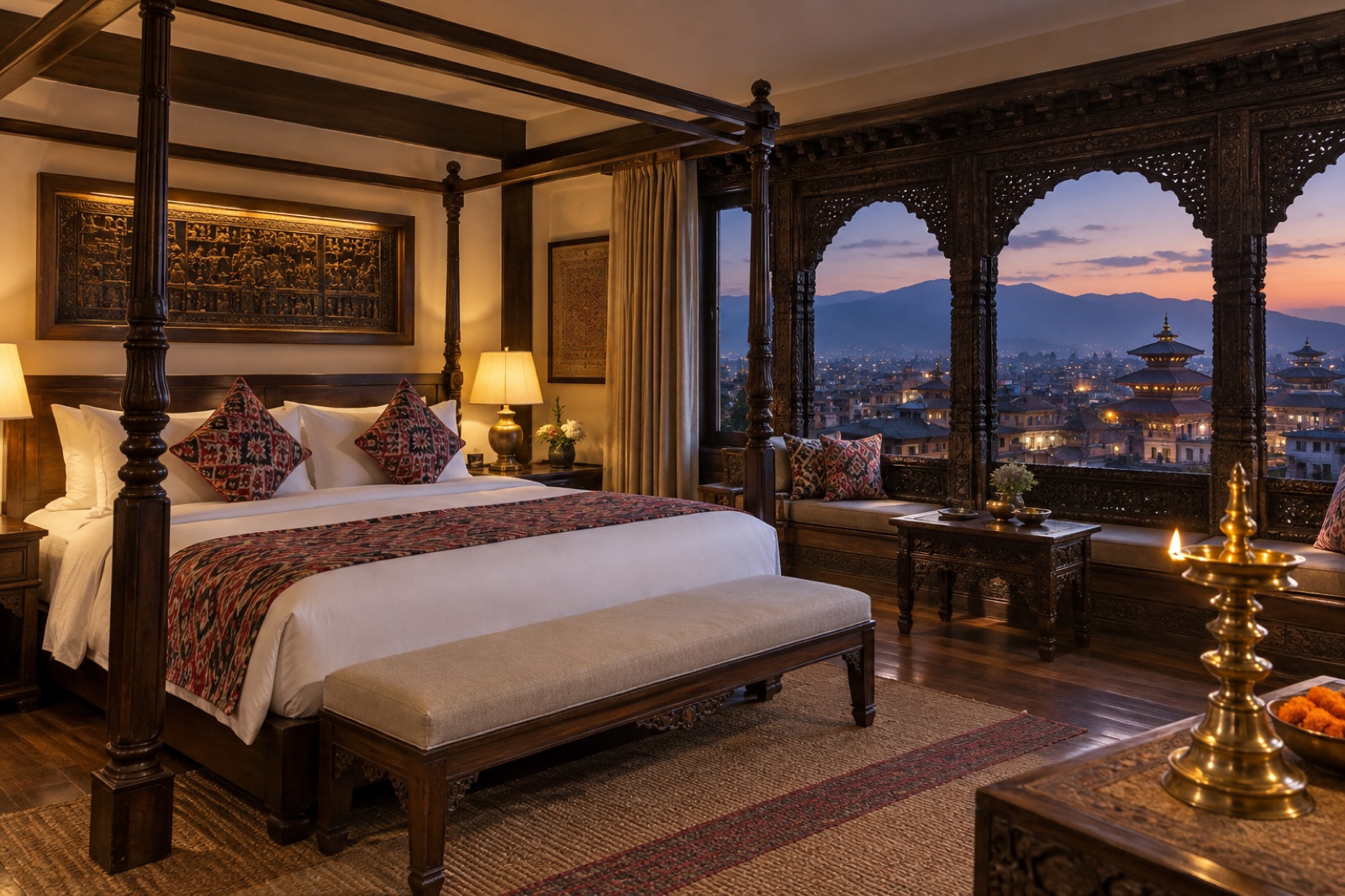
The classic luxury structure brackets a comfortable trek with city indulgence — a few nights at the best luxury hotels in Kathmandu on either side, a lakeside Pokhara stay, then the foothill walk. Tie it to the national luxury travel in Nepal overview for the full high-end picture.
Plan your route
Decide how much walking you actually want, then choose a foothill loop or a helicopter-assisted classic. Ground the logistics in our Nepal trekking guide, slot the trip into the Nepal stays, wellness and digital nomads hub, and book established operators. Done right, luxury trekking in Nepal gives you the Himalaya with the rough edges smoothed away — but never sands away the adventure entirely.
Frequently asked questions
Can you trek in luxury in Nepal?+
To a degree. A handful of lower routes, especially in the Annapurna foothills, have upmarket lodges with private bathrooms, good food and fine views. Above those, teahouses are simple by design, so true luxury fades with altitude. Private guides, porters and helicopter transfers are the main ways to add comfort on higher trails.
Which Nepal trek is best for comfort?+
The Annapurna foothills lead, with short routes around the Ghandruk, Dhampus and Australian Camp areas reachable from Pokhara and served by some of the country's most comfortable lodges. Everest-region treks can be softened with helicopter transfers and the best available lodges, but accommodation there is generally simpler than in the Annapurna foothills.
Are helicopter treks worth it in Nepal?+
For travellers short on time or wanting effortless mountain access, often yes. Helicopter transfers shorten or replace long walking days, and day trips reach Everest-region viewpoints. They are costly and weather-dependent, so build flexible days into your plan and only fly with reputable, well-established operators.
Do I need a guide for a luxury trek?+
A private guide is the single biggest comfort upgrade. They handle logistics, secure the best rooms, pace you safely against altitude and add cultural depth, while a porter spares your back. Note that most Nepal trekking now requires a licensed guide regardless, so investing in an excellent one pays off throughout the trip.