Wildlife · Nepal
Wildlife Photography in Nepal
Rhino, tiger, gharial and Himalayan birds make Nepal a serious wildlife-photography destination — here's where and when.
Nepal is a serious wildlife-photography destination, and the best shooting is in the Terai national parks of the southern lowlands. Chitwan delivers accessible encounters with one-horned rhino, deer, crocodile and abundant birds; wilder Bardia in the far west offers the country's best chance of photographing wild Bengal tigers; and the eastern wetlands and hills add superb birdlife. Plan around the dry season, carry a long lens, and Nepal rewards patient photographers handsomely.
Where to shoot
- Chitwan National Park: The most accessible park, strong for one-horned rhino, sambar and spotted deer, gharial and mugger crocodile, and birds. Our Chitwan wildlife photography guide goes deeper on hides and routes.
- Bardia National Park: Wilder, quieter and the top pick for wild tigers, with riverine grasslands and the Karnali River.
- Koshi Tappu Wildlife Reserve: The premier birding wetland in the east, a magnet for waterbirds and migrants.
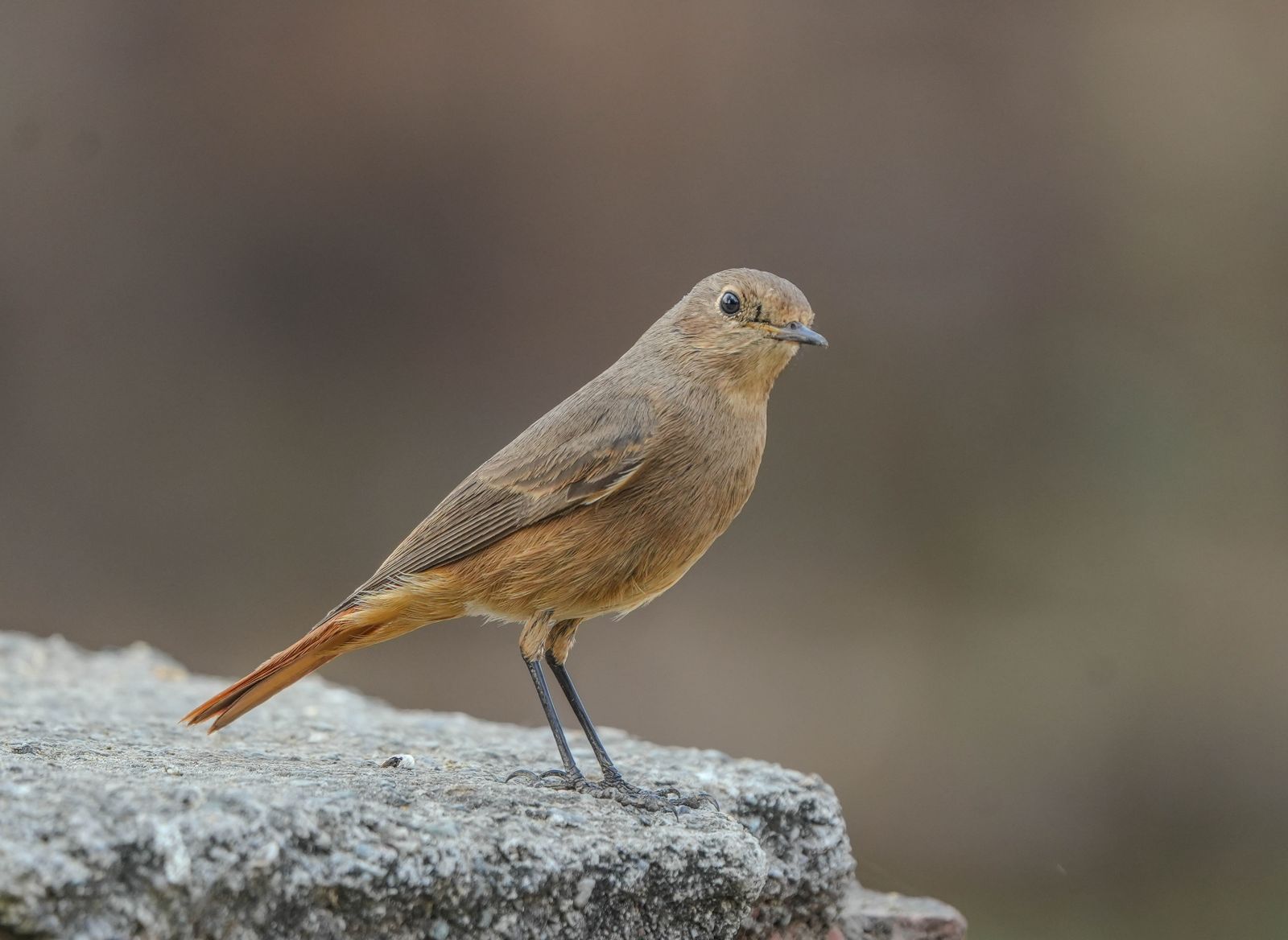
- The hills and mountains: Himalayan birds, langurs and, for the dedicated, high-altitude species — start with our birdwatching in Nepal guide.
When to go
The dry months, roughly October to April, are best: vegetation thins, animals concentrate near shrinking water, and park tracks are passable. February to April is prime for tigers in Bardia as the tall grass is cut back. The monsoon greens everything beautifully but makes access and sightings harder, so most photographers avoid it.
Gear and field craft
Bring a telephoto lens of at least 300mm, ideally 400 to 600mm, on a fast body, plus dust protection for the dry Terai, ample memory, and power banks for off-grid lodges. A beanbag or monopod steadies long lenses from jeeps and elephant-back. Add a wider lens for landscapes and lodge life. Above all, shoot ethically: keep distance, never bait or crowd animals, stay with licensed guides, and follow park rules — good behaviour protects both the wildlife and future access.
Where to base yourself
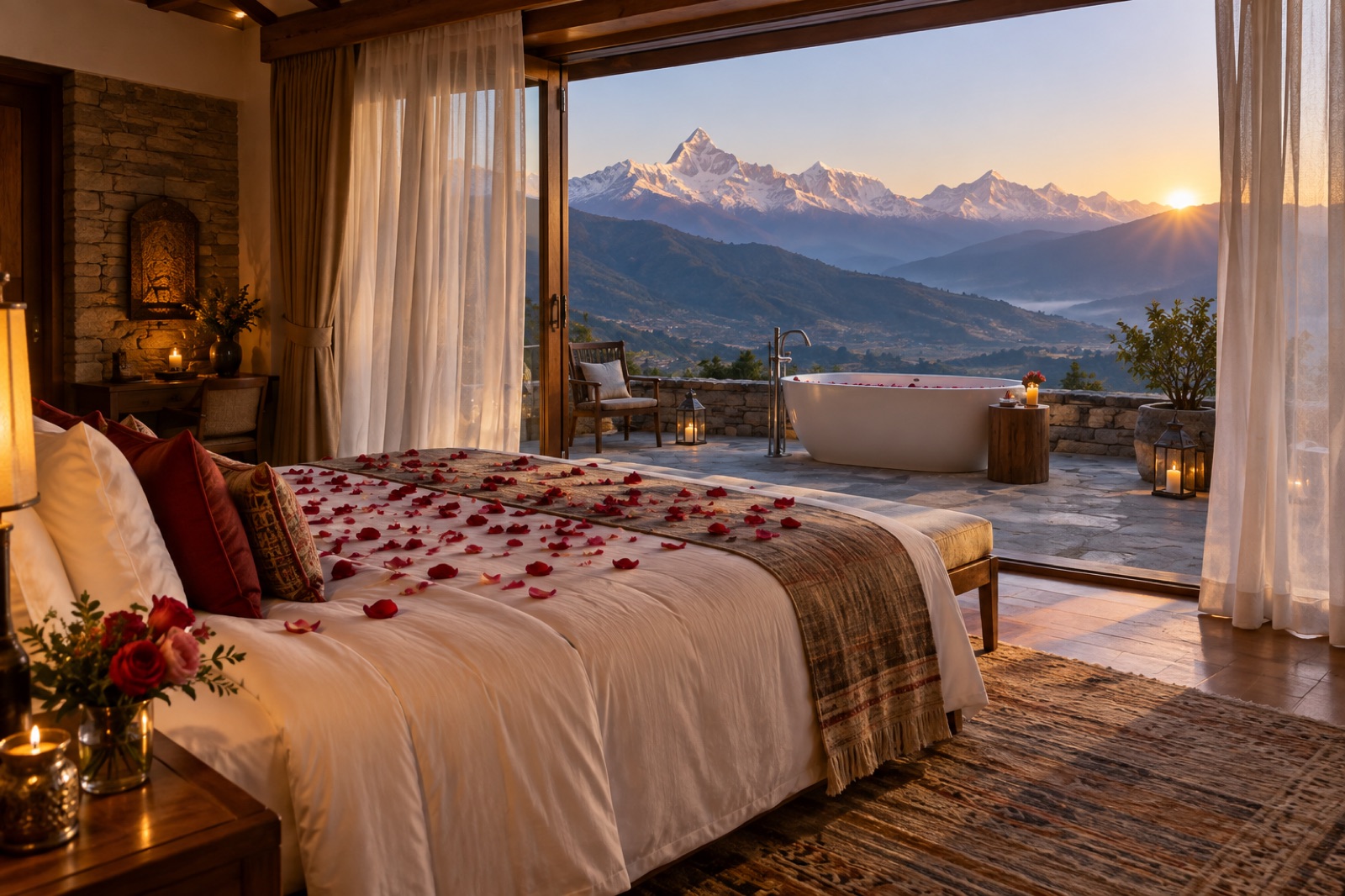
Stay inside or beside the parks to catch the golden first and last light when animals are most active. Chitwan and Bardia both have lodges close to the gates, and a premium lodge doubles as a romantic base — see the best honeymoon hotels in Nepal if you are combining photography with a couples trip.
Plan the trip
A focused wildlife week might pair Bardia for tigers with Chitwan or Koshi Tappu for variety. Slot it into our Nepal stays, wellness and digital nomads hub, sharpen technique with the national Nepal photography guide, and lock in the clear, dry months using the best time to visit Nepal. Patience and an early start do the rest.
Frequently asked questions
Where is the best place for wildlife photography in Nepal?+
The Terai national parks lead. Chitwan is the most accessible, with strong chances of one-horned rhino, deer, crocodile and rich birdlife, while wilder Bardia in the far west offers the country's best odds of photographing wild Bengal tigers. For birds, Koshi Tappu Wildlife Reserve in the east is outstanding, and the hills add Himalayan species.
When is the best season for wildlife photography in Nepal?+
The dry months from roughly October to April are best, when vegetation thins, animals gather near water and tracks are passable. Late winter and early spring (February to April) are especially good for tiger sightings in Bardia as the grass is shorter. The monsoon brings lush scenery but harder access and denser cover.
What gear do I need for wildlife photography in Nepal?+
A telephoto lens of at least 300mm, ideally 400 to 600mm, is the key tool for the parks, paired with a fast camera body for action. Bring dust protection, plenty of memory and power for off-grid lodges, and a beanbag or monopod for jeep and elephant-back stability. A second wider lens covers landscapes and lodge life.
Can you see and photograph tigers in Nepal?+
Yes, primarily in Bardia National Park, which has become one of South Asia's better places for wild tiger encounters thanks to lower visitor numbers and good tiger density. Sightings are never guaranteed and require patience, multiple game drives and experienced guides, but the odds are genuinely good in the dry season.