Nepal travel guide
Nepal Terai
Nepal's southern lowlands — Chitwan and Bardia jungles, the Buddha's birthplace at Lumbini, and the plains' temple and border towns, all in one place.
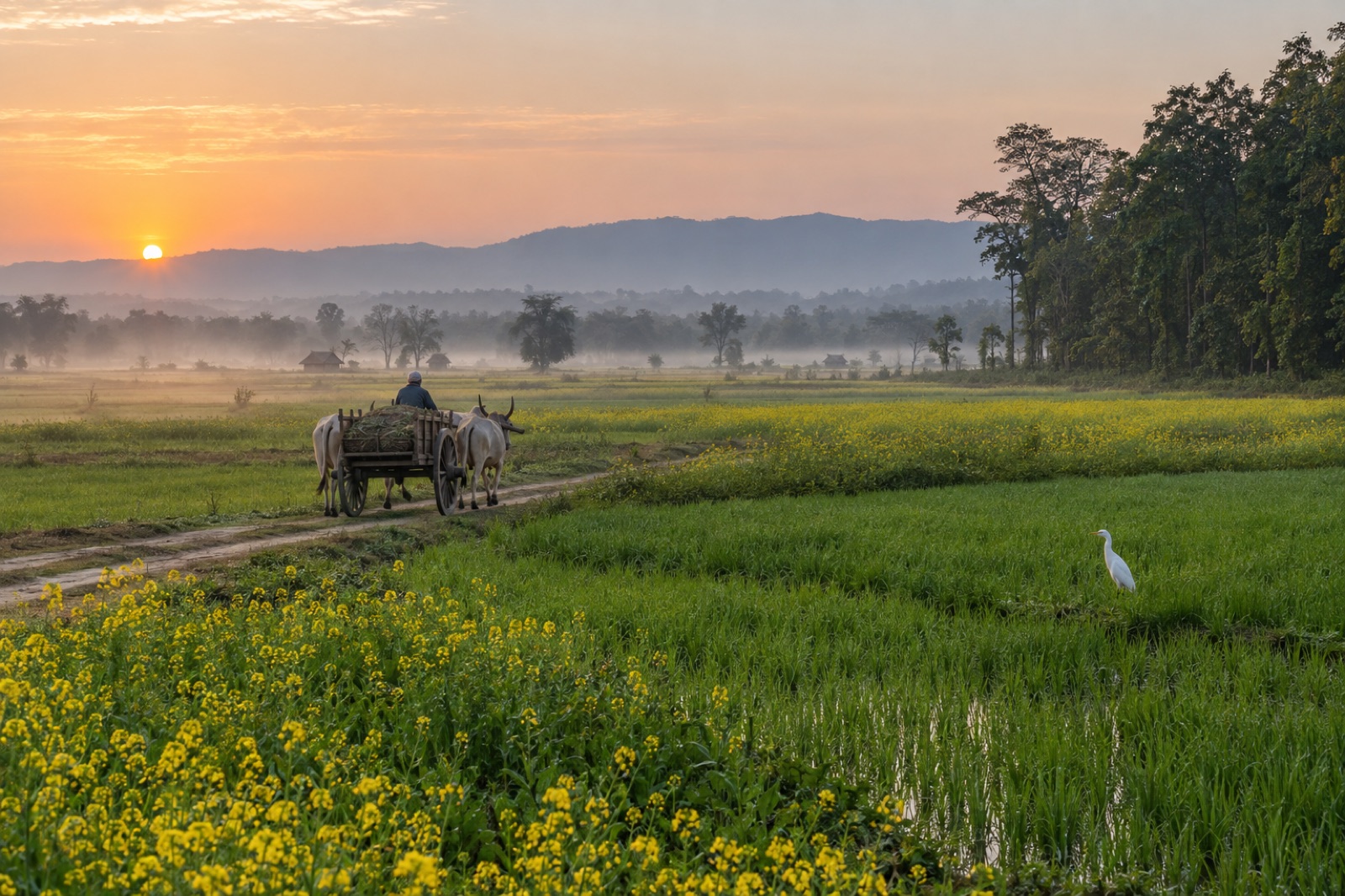
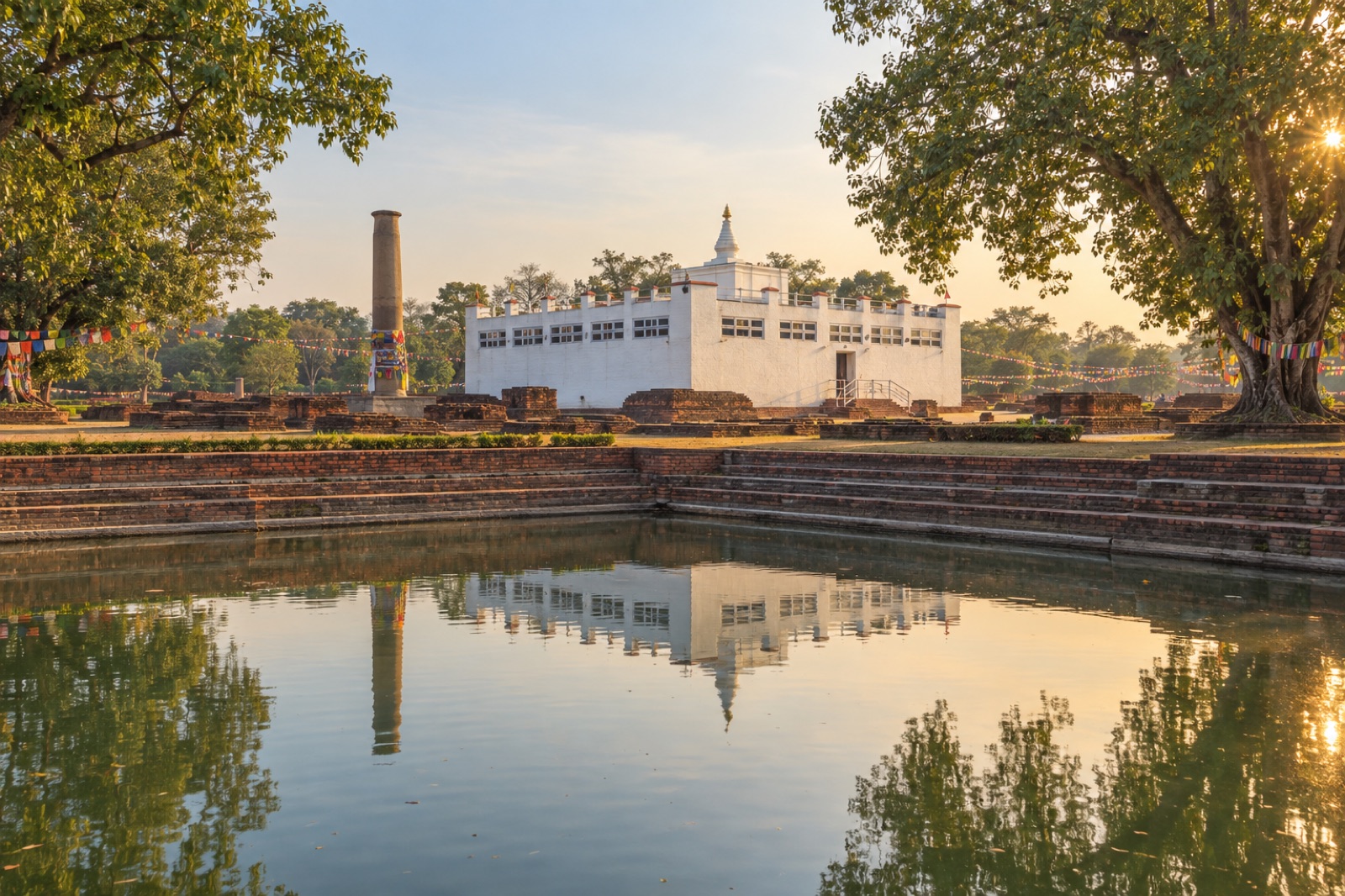
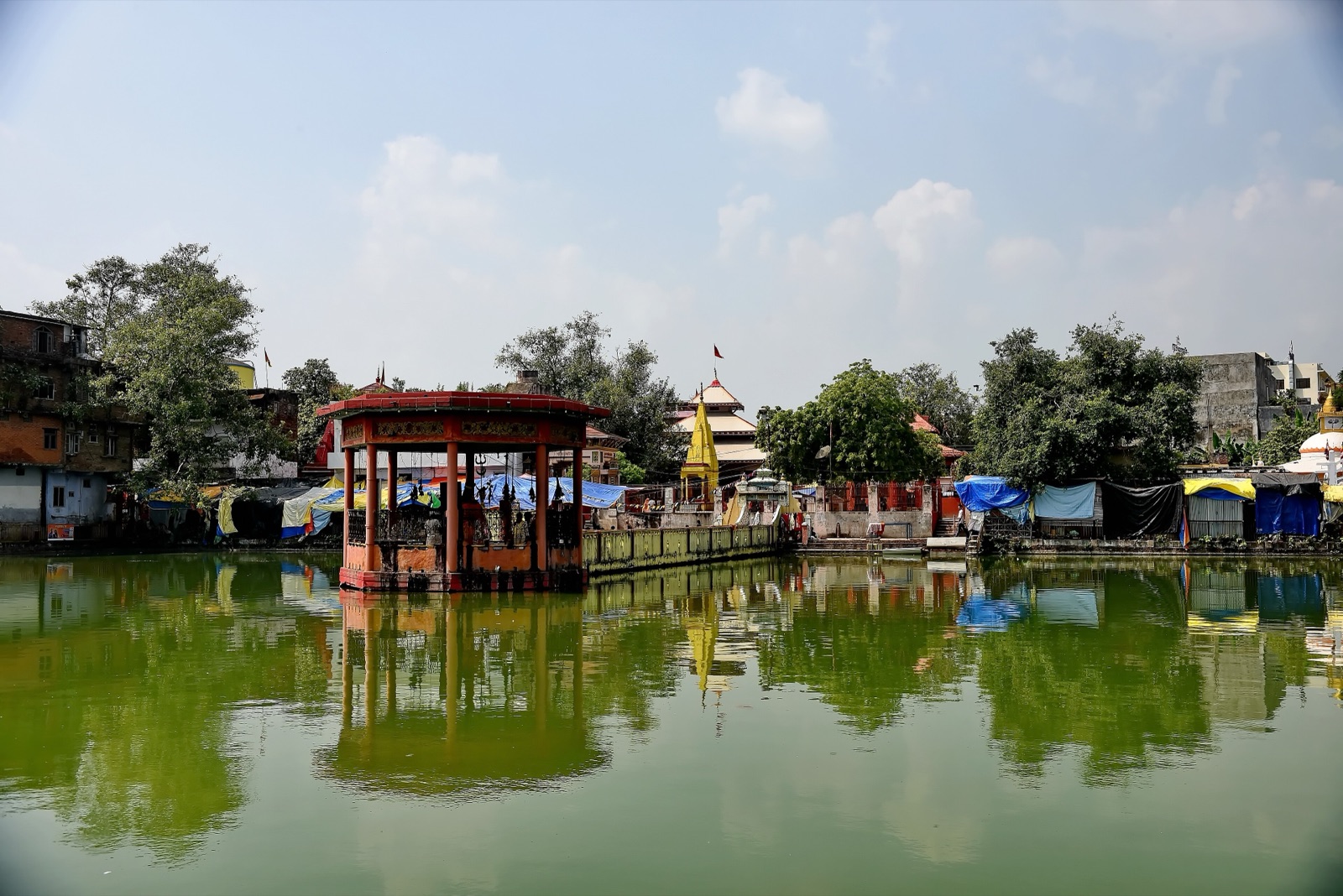
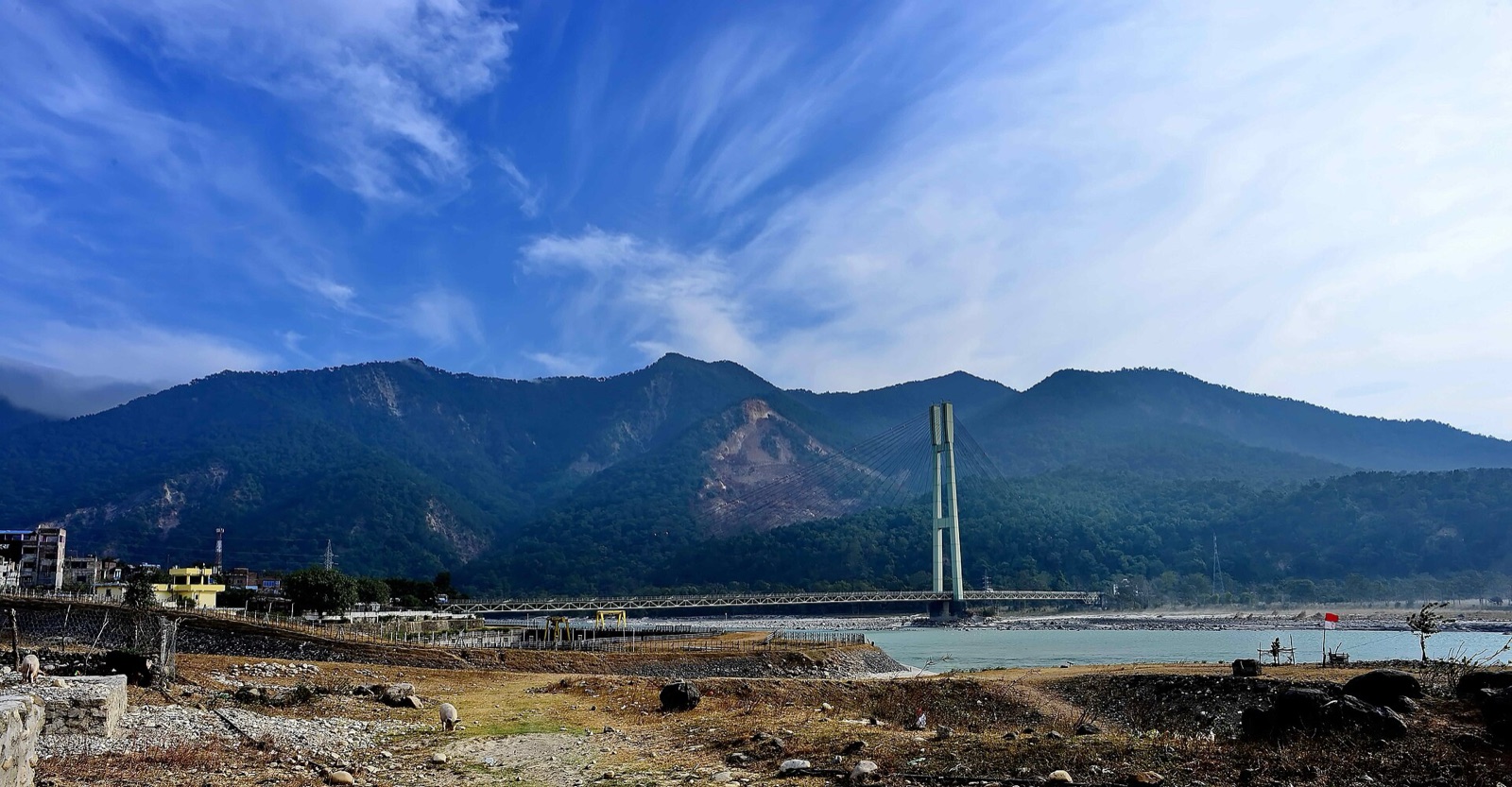
Nepal's Terai is the flat, fertile lowland belt that runs the length of the country's southern border — a different Nepal from the hills and mountains, with subtropical jungle, paddy plains and a string of busy market and pilgrimage towns. It holds the country's best wildlife in Chitwan and Bardia, the Buddha's birthplace at Lumbini, the Mithila temple city of Janakpur, and the main overland gateways to and from India.
How to explore the Terai
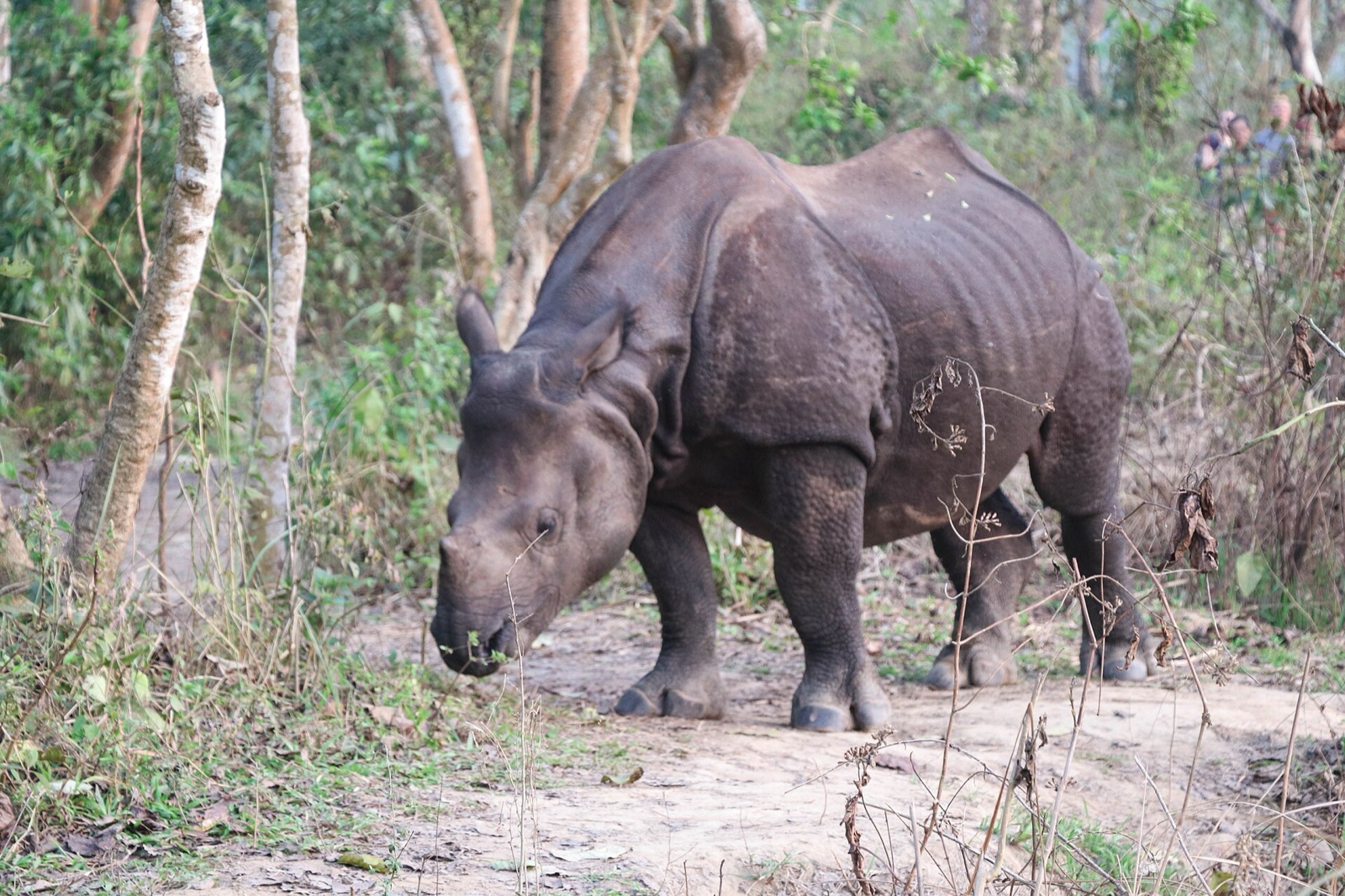
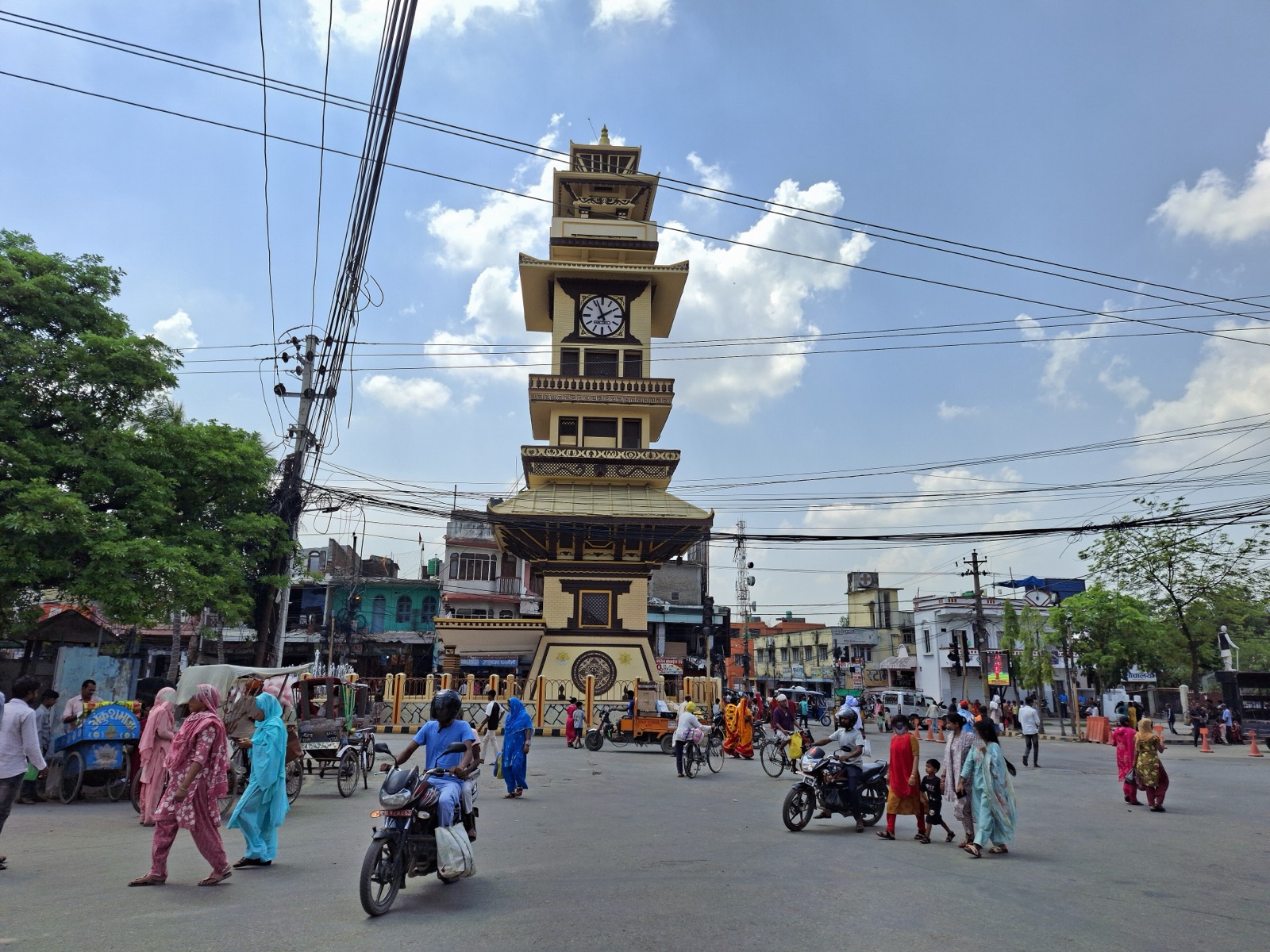
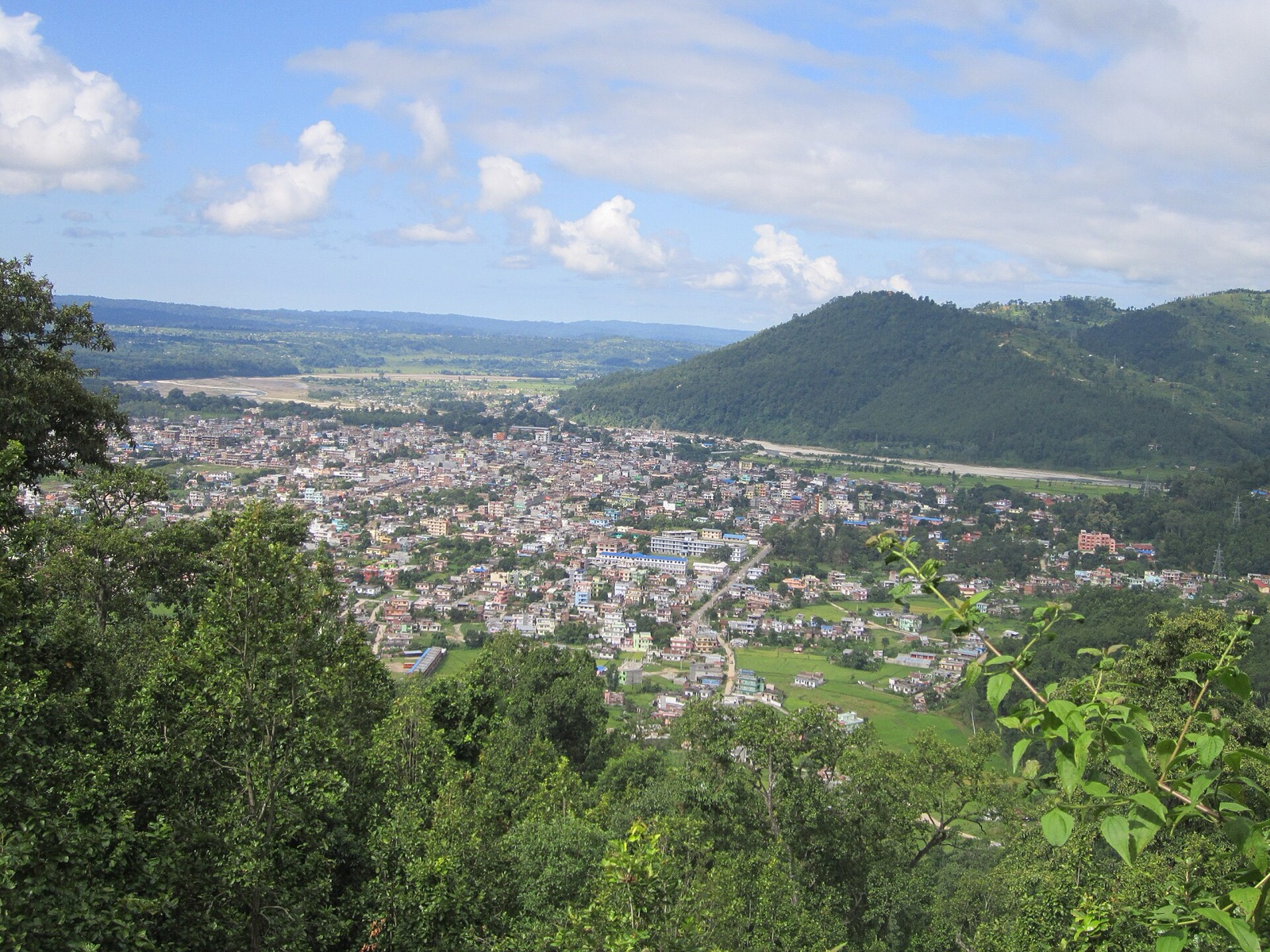
Most trips centre on the jungle: stay at Sauraha for Chitwan National Park, or head far west to quieter Bardia for tigers and a wilder feel. Pair a safari with Lumbini, the Buddha's birthplace and its garden of international monasteries, and with Janakpur in the east for living Mithila culture. The plains' other hubs — Nepalgunj, Butwal, Birgunj, Dhangadhi and Hetauda — are working transit and border towns that connect the region and link Nepal to India. Pick a destination below to dive into its sights, stays and food.

Frequently asked questions
What is the Nepal Terai known for?+
The Terai is Nepal's southern lowland belt along the Indian border — flat, fertile plains that hold the country's great jungle parks, Chitwan and Bardia, where you can track rhinos, elephants and tigers. It is also home to Lumbini, the birthplace of the Buddha, the holy Mithila temple city of Janakpur, and the busy market and border towns that handle most overland traffic in and out of Nepal.
How many days do you need in the Terai?+
Two to three days is enough for a jungle stay at Chitwan or Bardia, with morning and afternoon safaris and a Tharu village visit. Add a day for Lumbini's monastic zone and sacred garden, and another for Janakpur's temples if you are travelling east. Many visitors fold one Terai stop into a longer Nepal trip between the Kathmandu Valley, Pokhara and an Indian border crossing.
When is the best time to visit the Terai?+
October to March is the prime window — dry, cooler weather with the best wildlife viewing as animals gather near rivers and waterholes, and clear conditions for Lumbini and the temple towns. April and May turn hot and humid, and the summer monsoon brings heavy rain and high rivers, so plan jungle safaris for the dry season.
How do you get around the Terai?+
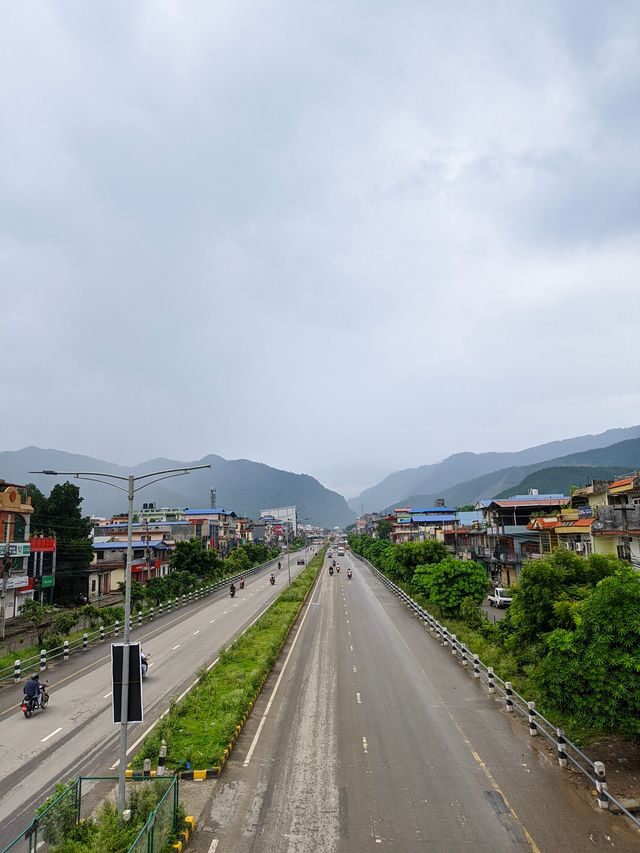
The east-west Mahendra Highway runs the length of the Terai, linking every town below, and buses and shared jeeps ply it constantly. Chitwan and Lumbini are easy day connections from Kathmandu and Pokhara, while Nepalgunj and Dhangadhi in the far west and Janakpur in the east also have domestic airports. Several towns — Birgunj, Nepalgunj, Janakpur and Dhangadhi — double as India border crossings.
Plan your Nepal trip
Pick your dates, then let a guided package sort the permits, transport and lodges for you.

