Things to do · Gorkha
Gorakhnath & Kalika Temple
The twin sacred hearts of the Gorkha Durbar — the Gorakhnath cave shrine and the Kalika goddess temple of the Shah kings.
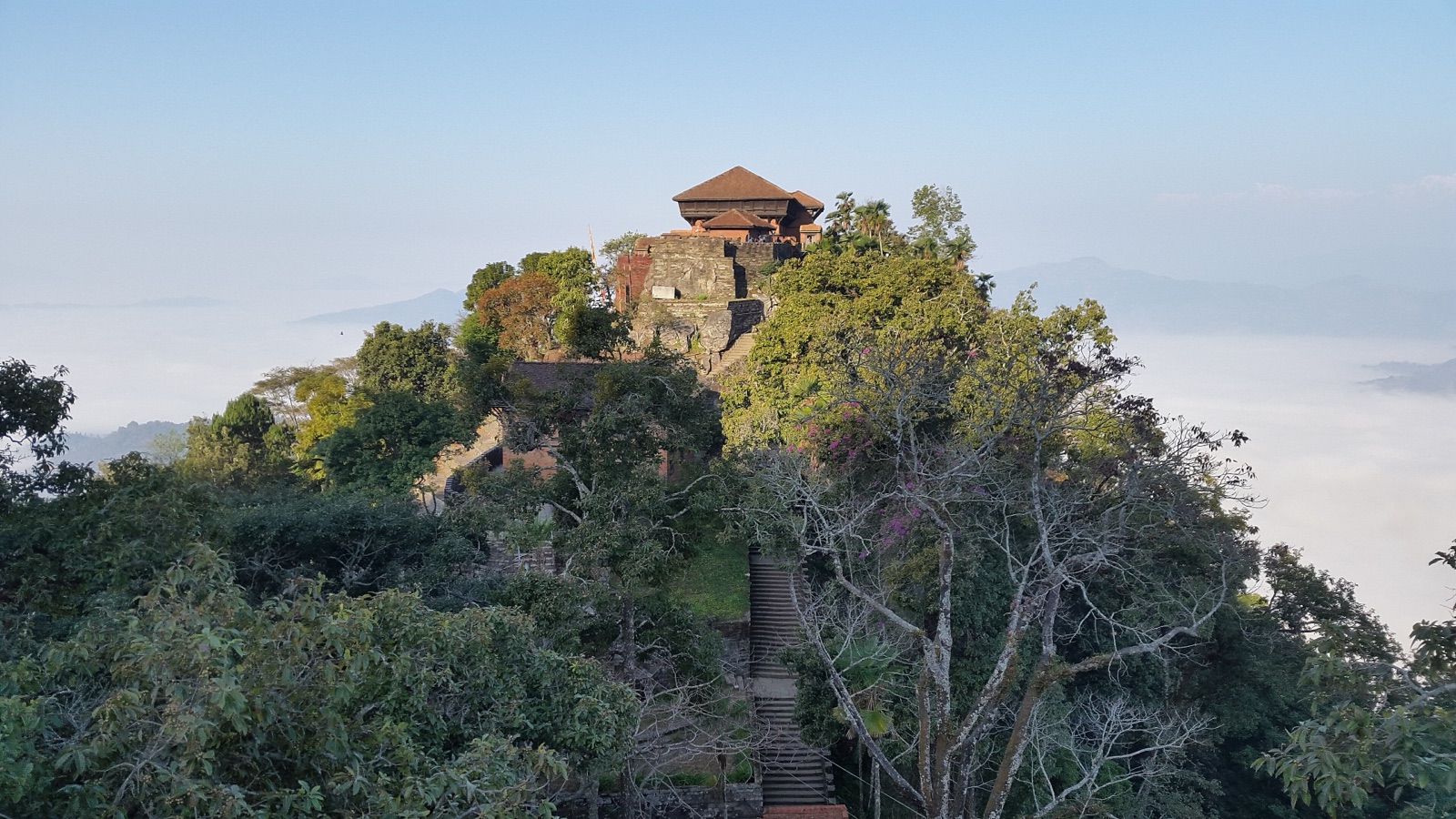
The Gorakhnath cave shrine and the Kalika goddess temple are the twin sacred hearts of the Gorkha Durbar, the hilltop fort-palace above Gorkha town. One honours the saint who gave the town — and the famous Gurkha soldiers — their name; the other is the guardian deity of the Shah dynasty, the line of kings who rose from this ridge to unify Nepal. Together they explain why this hill, more than its walls and views, was held so sacred.
Gorakhnath: the saint of the ridge
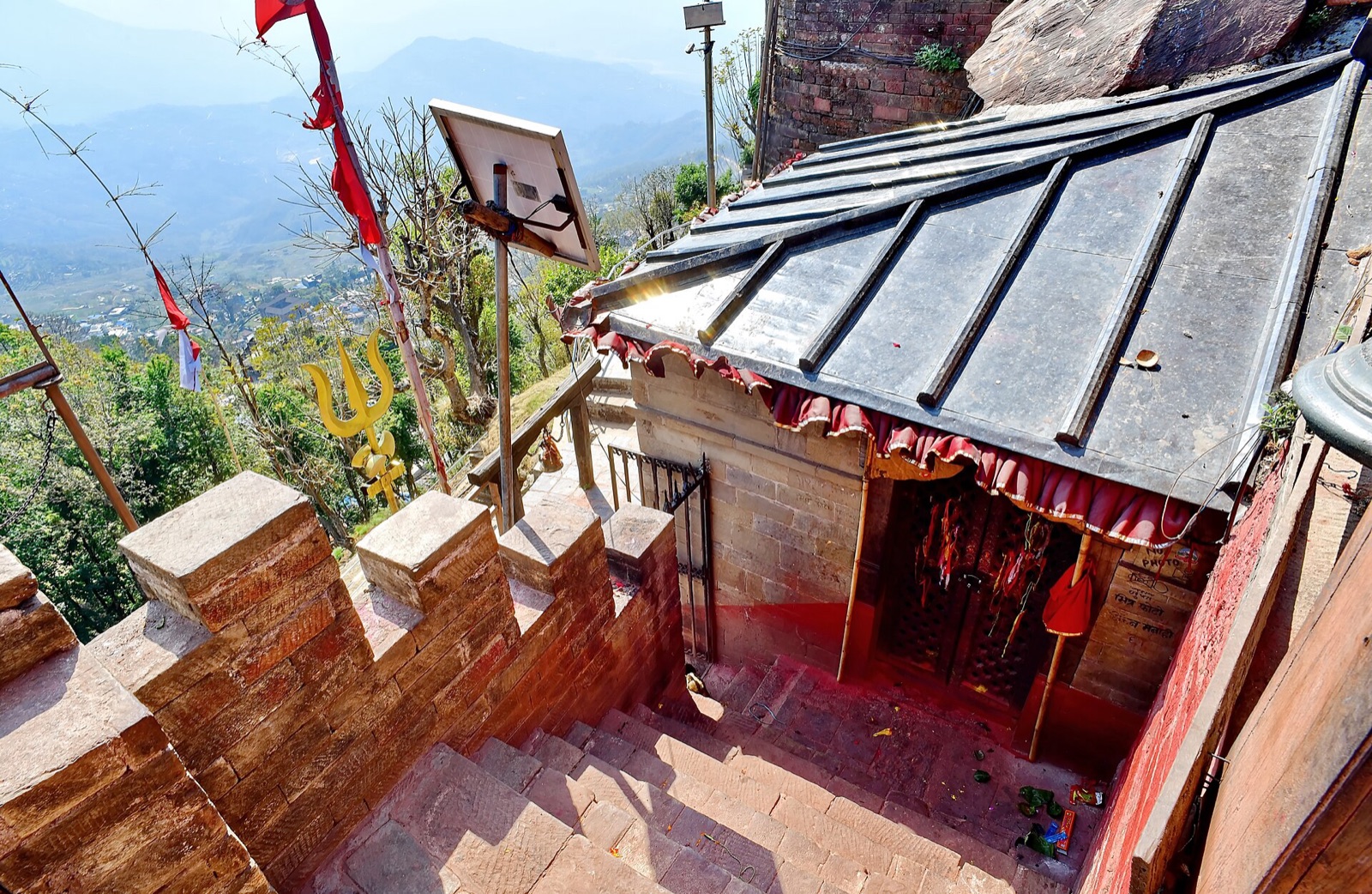
Set into the rock of the Durbar ridge, the Gorakhnath cave shrine is dedicated to the medieval yogi Gorakhnath (Gorakshanath), a revered figure of the Nath tradition. The town of Gorkha takes its name from him, and so, in turn, do the Gurkhas. The shrine is small, dim and deeply venerated, a place of meditation that predates much of the palace built around it. You may find a sadhu in quiet contemplation at the entrance — a reminder that this is a living shrine long before it is a sight.
Kalika: deity of the dynasty
Beside the old palace stands the Kalika temple, the active goddess shrine that is the tutelary deity of the Shah kings. The family's fortunes were bound up with her worship, and the temple remains one of the most sacred in the region. Its inner sanctum is restricted, generally entered only by priests, so visitors offer worship and view the carved exterior from outside. During Dashain, the great autumn festival of the goddess, the temple comes alive with offerings and ceremony.
Visiting both shrines
The two sites sit within the same complex, reached by the steep stone steps that climb from the Gorkha Bazaar. Treat them as one respectful circuit: pause at the cave, offer worship at the Kalika temple, then continue up to the Upallokot viewpoint for the ridge's wider panorama. Down in the town, the Gorakhkali Temple completes the picture of Gorkha's living devotion.
Good to know
- Respect the sanctum: The Kalika inner shrine is for priests; worship and photograph only from where it is permitted.
- Dress and footwear: Cover shoulders and knees, and remove shoes where signs or attendants indicate.
- Timing: Mornings are calmest; Dashain and other festival days are vivid but very crowded with worshippers.
- Plan the visit: See the Gorkha temples, cable car and history collection, and read up on Hinduism in Nepal for the wider context of goddess worship in the hills.
Frequently asked questions
What are the Gorakhnath and Kalika temples?+
They are the two sacred sites at the core of the Gorkha Durbar. Gorakhnath is the cave shrine of the saint who gave the town and the Gurkha soldiers their name, while Kalika is the active goddess temple beside the old palace, the guardian deity of the Shah dynasty.
Where are the Gorakhnath and Kalika temples?+
Both sit within the Gorkha Durbar complex on the ridge above Gorkha town, reached by the same steep flight of stone steps that climbs from the bazaar. The Kalika temple stands beside the palace buildings, with the Gorakhnath cave shrine close by on the ridge.
Can visitors enter the Kalika temple?+
The inner sanctum of the Kalika temple is restricted, and entry is generally limited to priests; visitors view and offer worship from outside. As at the Gorakhnath shrine, dress modestly, remove shoes where required and follow attendants' guidance.
Why are these temples important to the Shah kings?+
Goddess Kalika is the tutelary deity of the Shah dynasty, and the family's rise from Gorkha is bound up with her worship and with the blessing of the saint Gorakhnath. The two shrines together form the spiritual foundation on which the founding of modern Nepal rests.