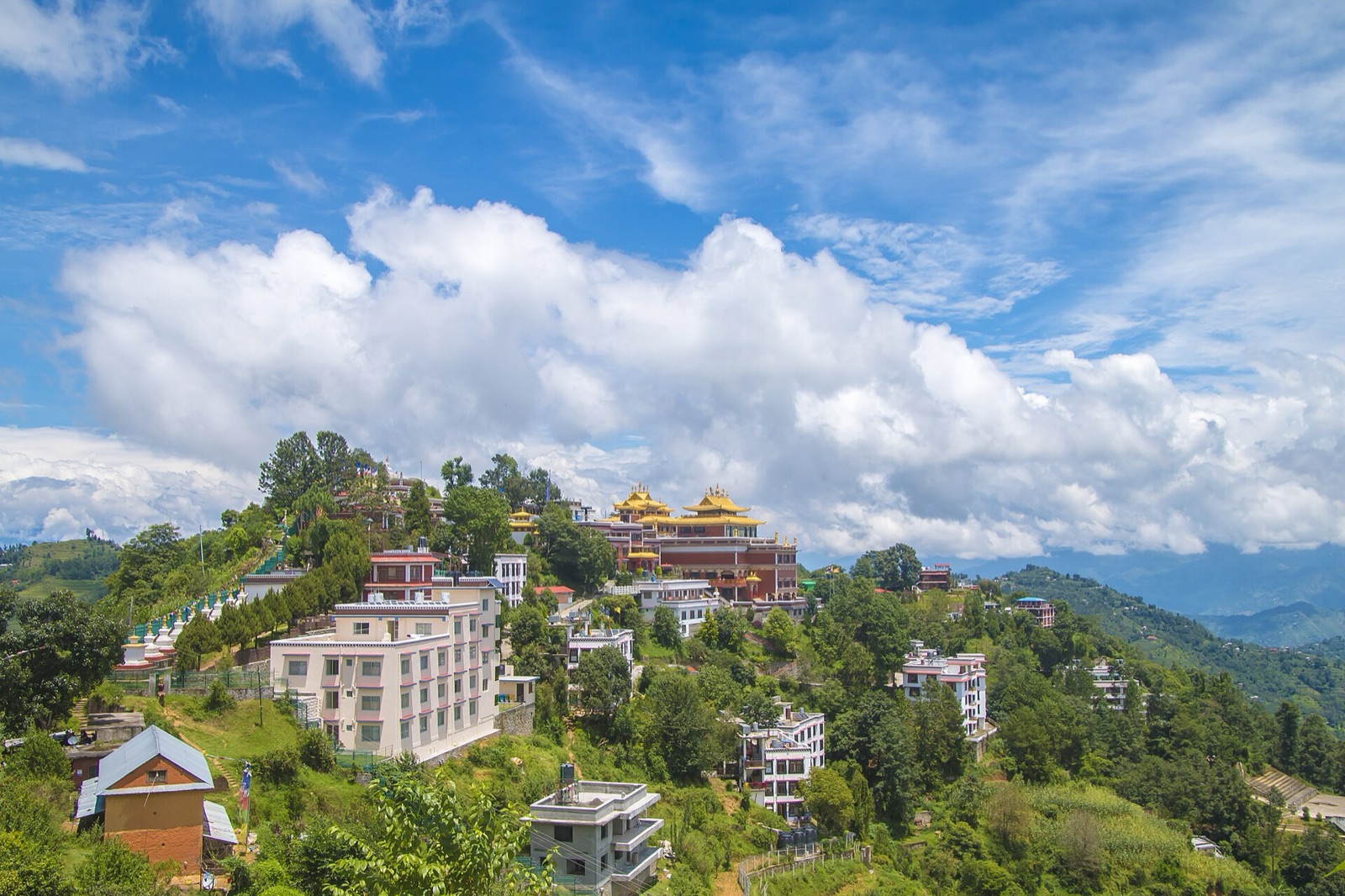
Photo: Rukeshmdr12, CC BY-SA 4.0 via Wikimedia Commons
Travel tips · Namobuddha
The Best Time to Visit Namobuddha
Autumn and spring bring the clearest Himalaya views — a season-by-season guide to Namobuddha.
The best time to visit Namobuddha is autumn (October–November) and spring (March–April), when clear skies open up the Himalaya panorama from the ridge and the weather is comfortable for walking the kora. This guide runs through each season, plus the Buddhist festival days that bring the monastery alive, so you can time your visit to what matters most to you.
The short answer
Come in autumn or spring for the clearest peaks, the best hilltop viewpoint conditions and pleasant walking weather. Winter is cold but gives crisp mountain views; the monsoon is green and quiet but cloudy. For festival atmosphere, aim for Buddha Jayanti or Losar.
Season by season
Autumn (October–November)
The peak season and the best all round: skies are clear after the monsoon, temperatures are mild, and the Langtang and Rolwaling peaks stand out sharply at dawn. Expect more visitors and book your stay ahead.
Winter (December–February)
Cold mornings on the exposed ridge, but often the clearest mountain views of the year and sunny, settled days. Bring warm layers for sunrise. Crowds are thinner, making it a peaceful time to walk the kora.
Spring (March–April)
Warming weather, blooming hillsides and generally good visibility, though haze can build later in the season. A lovely, lively time, and ideal for the Dhulikhel–Namobuddha–Panauti loop walk.
Monsoon (June–September)
Lush, green and quiet, but frequently cloudy with limited peaks and slippery trails. The final hill road can be tricky; allow extra time and check conditions.
Festival days
The monastery is at its most vivid on Buddhist festival days. Buddha Jayanti in May (the Buddha's birthday) and Losar (Tibetan New Year, around February) draw extra pilgrims, prayers and ceremony — a powerful experience, though busier and best planned for in advance.
Good to know
- Mornings are clearest for mountains; haze builds in the afternoon.
- Nights are cool to cold at altitude year-round — pack a warm layer.
- Festival days mean crowds and full guesthouses, so book early.
- Match the timing with our guides to how to get to Namobuddha and where to stay.
For the country-wide view, see our national guide to the best time to visit Nepal. For everything else, start at the Namobuddha travel guide.
Frequently asked questions
When is the best time to visit Namobuddha?+
October to November (autumn) and March to April (spring) are best, with clear skies, comfortable temperatures and the sharpest Himalaya views from the ridge. These are also the most reliable months for sunrise over the peaks.
What is Namobuddha like in the monsoon?+
From June to September the hill is green and lush but often wrapped in cloud, with frequent rain and limited mountain views. The road's final climb can be slippery. It is quieter and atmospheric, but not the time for clear peaks.
Is winter a good time to visit Namobuddha?+
Yes for views — December to February brings some of the crispest, clearest mountain panoramas of the year, though mornings on the ridge are cold and you'll want warm layers. Days are usually sunny and pleasant.
Are there special festival days at Namobuddha?+
Buddhist festivals such as Buddha Jayanti (the Buddha's birthday, in May) and Losar (Tibetan New Year, around February) are especially vibrant, with extra prayers, pilgrims and ceremonies at the monastery. Expect crowds and a heightened atmosphere on these days.


