Things to do · Nepal
Nepal's UNESCO World Heritage Sites
The Kathmandu Valley's seven monument zones, Lumbini and the Sagarmatha and Chitwan national parks — Nepal's UNESCO sites explained.
Nepal holds four UNESCO World Heritage Sites that together span temples, stupas, the Buddha's birthplace and two of the country's wildest national parks. Here is what each one is and how to see them.
The short answer
Nepal's UNESCO sites are the Kathmandu Valley (a single listing made up of seven monument zones), Lumbini, Sagarmatha National Park and Chitwan National Park. The valley sites are easy to reach from the capital, while the two parks sit at opposite ends of the country.
The Kathmandu Valley's seven monument zones
The valley listing bundles seven historic ensembles into one site:
- Boudhanath Stupa — one of the largest stupas in the world and the heart of Tibetan Buddhism in Nepal.
- Pashupatinath — the country's holiest Hindu temple complex on the banks of the Bagmati.
- Swayambhunath — the hilltop "Monkey Temple" with sweeping views over the city.
- Kathmandu Durbar Square — the old royal palace square at the heart of the capital.
- Bhaktapur — home to the best-preserved Durbar Square and medieval streets in the valley.
- Patan and Changu Narayan round out the seven with their durbar square and ancient temple respectively.
For a wider tour of the capital's sights, see the top attractions in Kathmandu.
Lumbini and the national parks
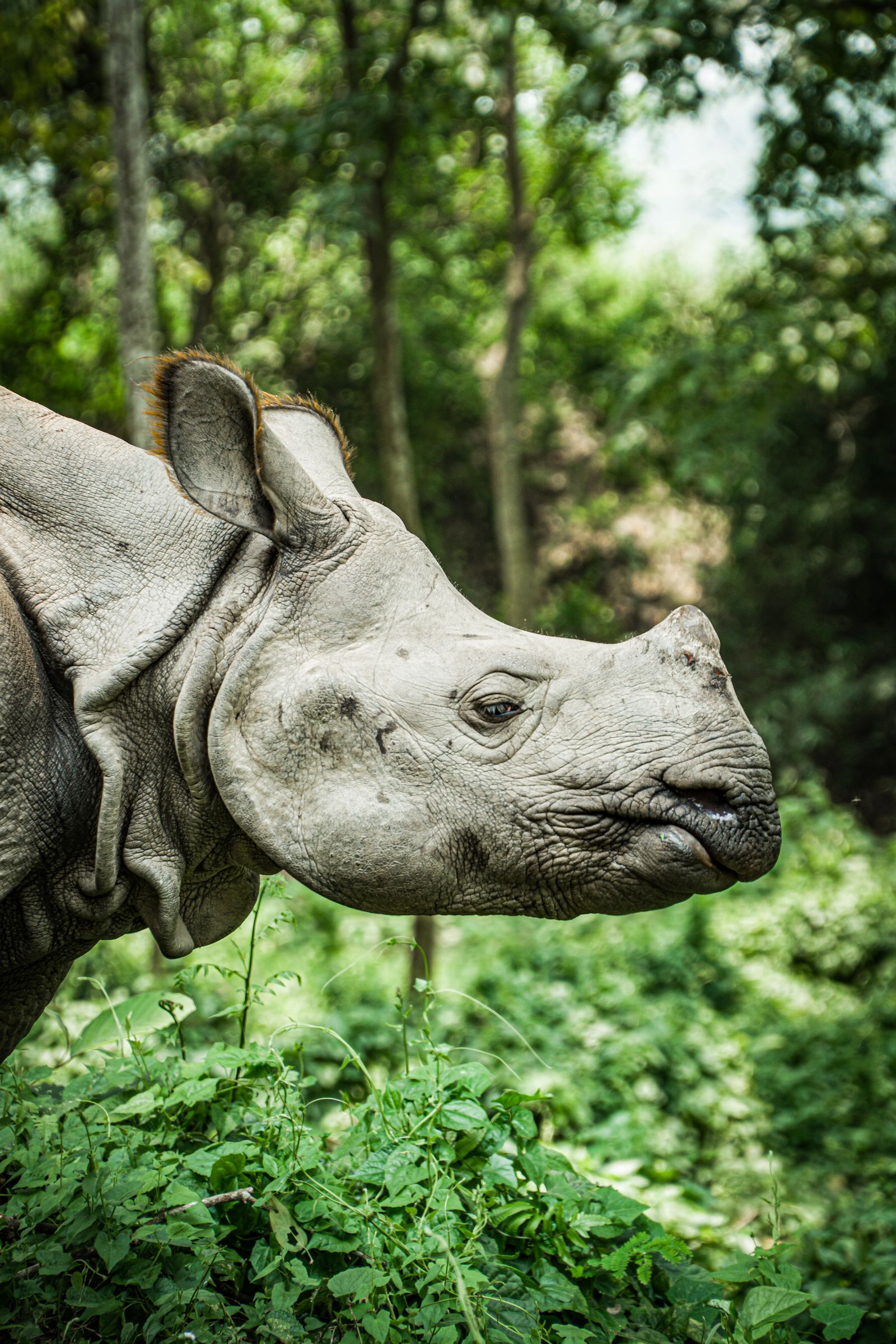
Beyond the valley, Lumbini marks the birthplace of the Buddha, with the Maya Devi Temple, the Ashoka Pillar and a peaceful monastic zone. Sagarmatha National Park protects the Everest region and its Sherpa villages, while Chitwan National Park shelters rhinos, tigers and gharial crocodiles in the lowland Terai. For more on the parks, read our national parks and wildlife guide.
Frequently asked questions
How many UNESCO World Heritage Sites are there in Nepal?+
Nepal has four UNESCO World Heritage Sites: the Kathmandu Valley, which is itself made up of seven monument zones, plus Lumbini, Sagarmatha National Park and Chitwan National Park.
What are the seven monument zones of the Kathmandu Valley?+
They are the Durbar Squares of Kathmandu, Patan and Bhaktapur, the Hindu temples of Pashupatinath and Changu Narayan, and the Buddhist stupas of Swayambhunath and Boudhanath. Together they form a single World Heritage listing.
Why is Lumbini a UNESCO site?+
Lumbini is recognised as the birthplace of Siddhartha Gautama, the Buddha. The sacred garden, the Maya Devi Temple, the Ashoka Pillar and an international monastic zone make it one of the world's most important Buddhist pilgrimage sites.
Can you visit Nepal's UNESCO sites in one trip?+
Yes. The Kathmandu Valley's monument zones can be covered over a few days from the capital. Lumbini sits in the southern lowlands near Chitwan, while Sagarmatha needs a flight to Lukla and a trek, so it usually forms a separate part of a longer trip.