Travel tips · Bhaktapur
Bhaktapur Entry Fee and Visiting Tips
The foreigner entry fee, opening hours, how to get there and how long to spend in Bhaktapur.
Bhaktapur is a ticketed heritage city, so a little planning around the entry fee, hours and timing makes for a smoother visit. Here is the practical information, answer-first.
The entry fee
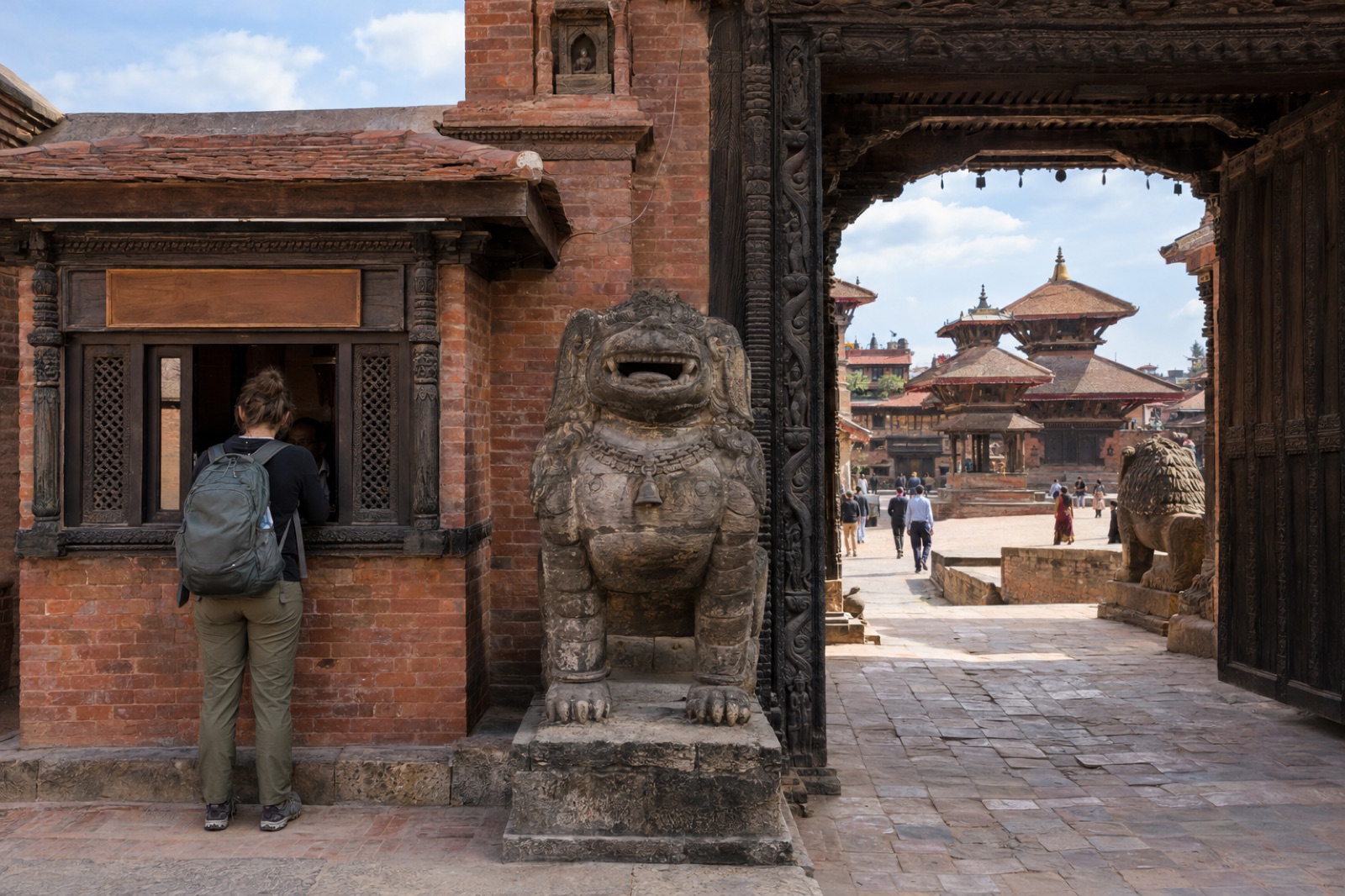
Foreign visitors pay a heritage entry fee to enter Bhaktapur's old-town zone. It is collected at ticket gates on the main approaches into the city, where staff issue a paper ticket. There are usually reduced rates for SAARC-region nationals, while Nepali citizens generally enter free or for a nominal amount. Bring the fee in Nepali rupees — card payment is not reliable at the gates. The fee funds conservation of the squares and monuments.
Keep your ticket on you: it can be checked at gates within the old town, and in many cases it can be extended for multiple days or linked to your visa period if you ask at the ticket office and show your passport. That is worth doing if you plan to stay overnight.
Opening hours
The old town is a living city, so its streets never truly close. The ticket gates, however, are staffed through daylight hours — roughly from early morning to early evening. To buy your ticket without fuss and to enjoy the squares at their quietest, arrive in the morning. Late afternoon is also atmospheric, but aim to be ticketed within staffed hours.
Getting there
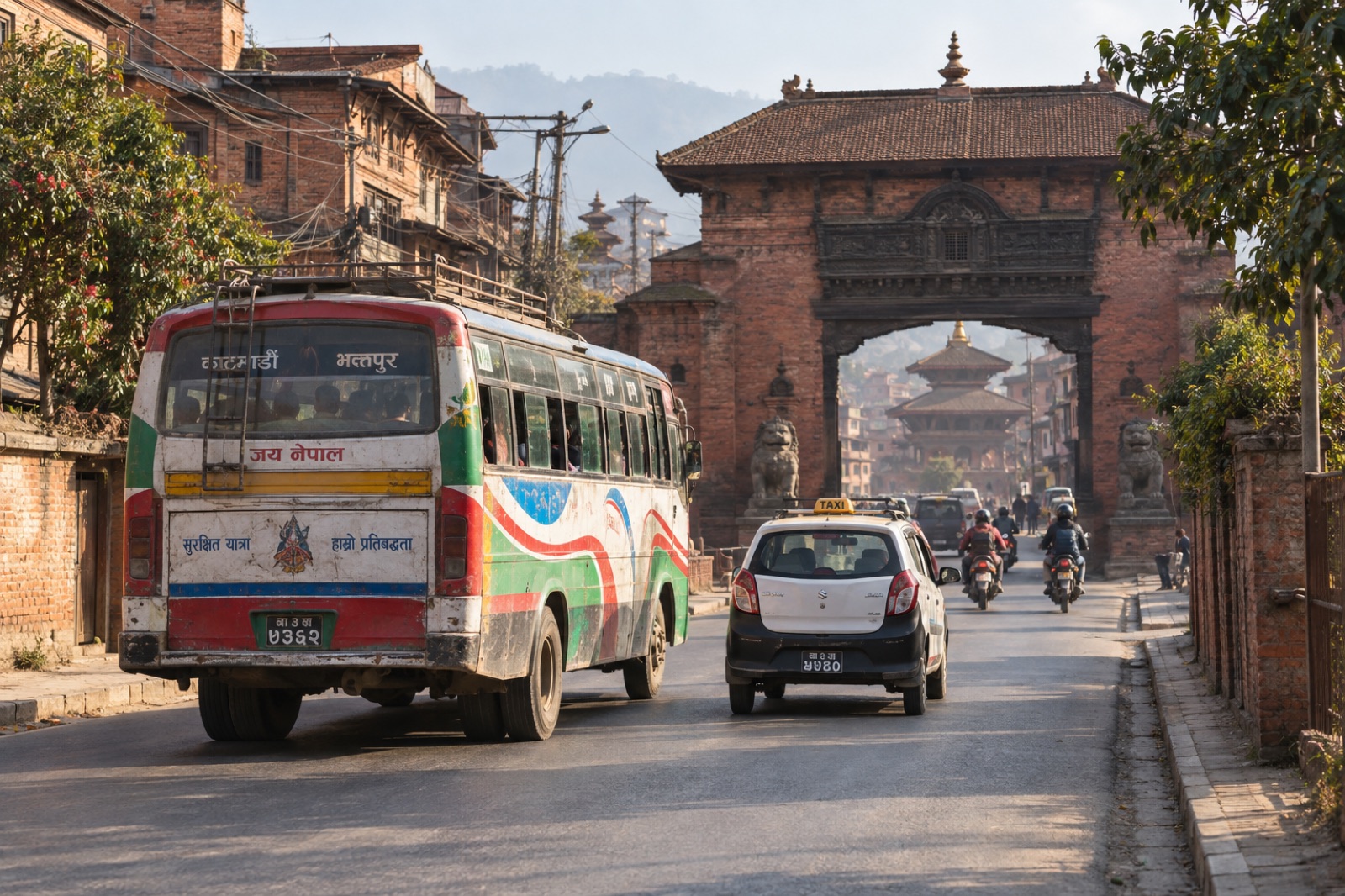
Bhaktapur is about 13 km east of Kathmandu, an easy day trip. The simplest option is a taxi or ride-hailing car (around 45 minutes, traffic permitting); budget travellers can take a local bus or microbus. Full details are in our how to get to Bhaktapur guide and the Kathmandu to Bhaktapur route.
How long to spend
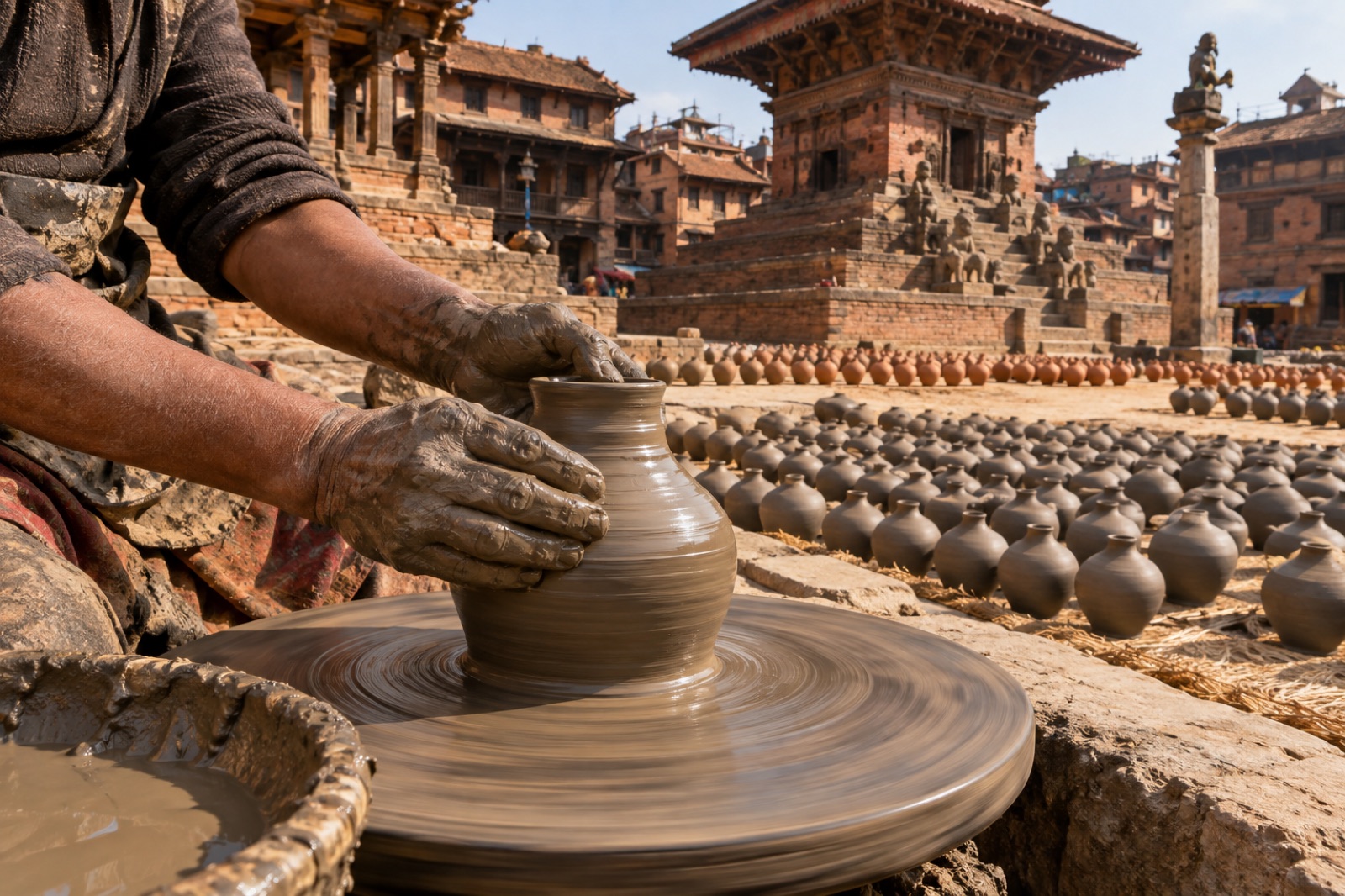
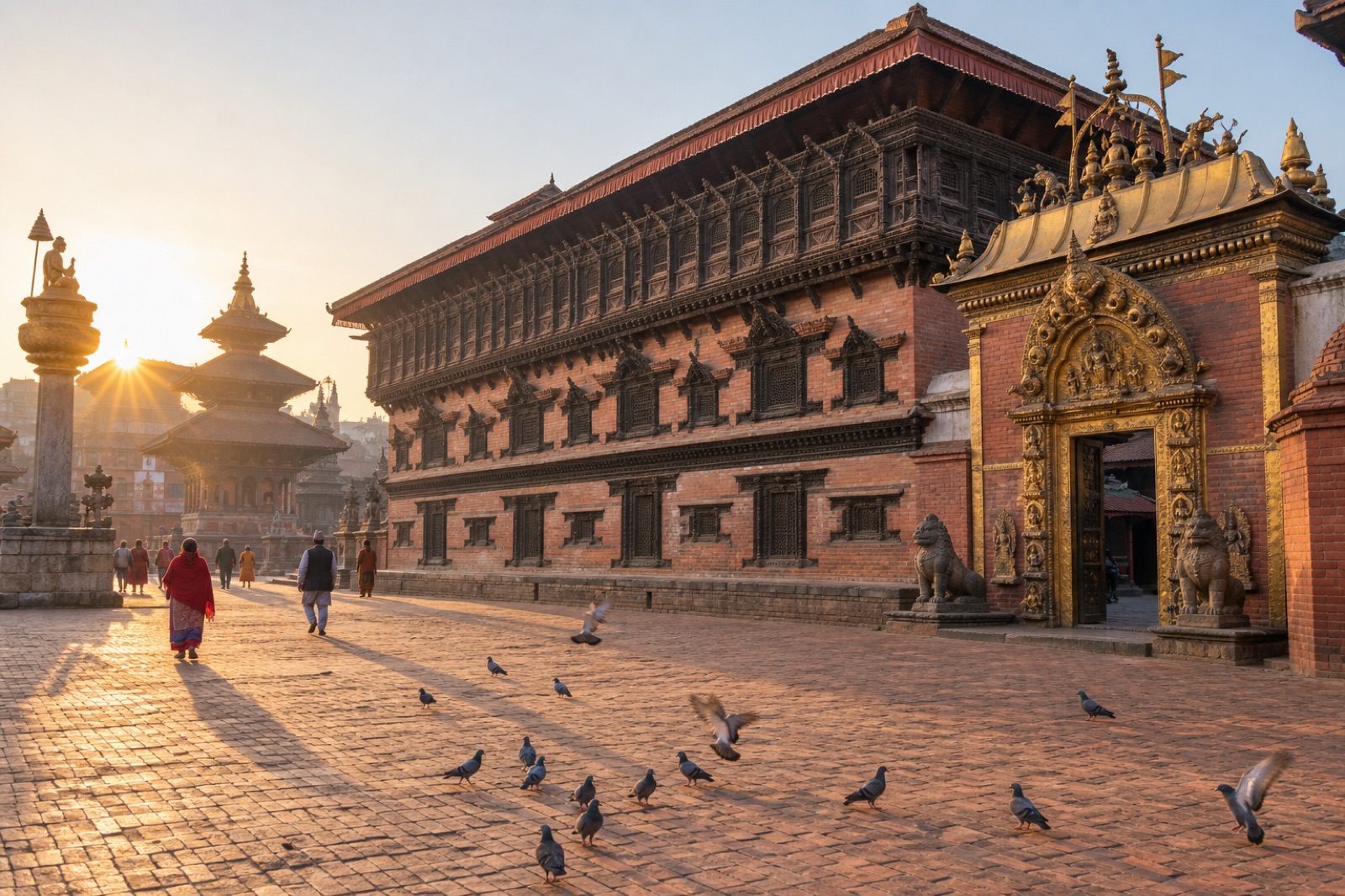
- Half a day — enough for the three main squares: Durbar, Taumadhi and Pottery.
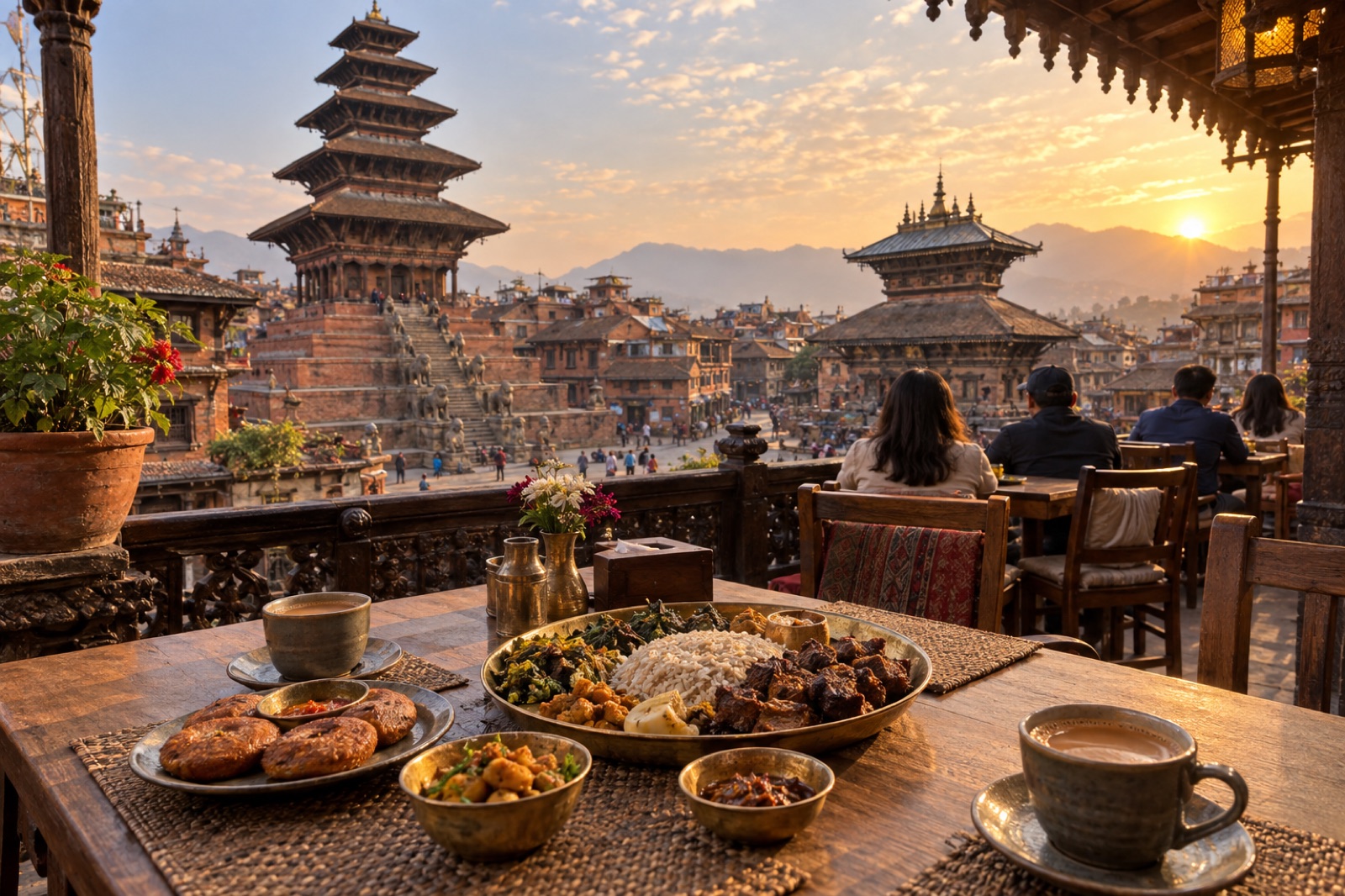
- A full day — the sweet spot, covering the squares, the Peacock Window, crafts and Newari food at a relaxed pace.
- Overnight — for quiet early mornings and add-ons like the Changu Narayan Temple or a Nagarkot sunrise.
Photography and etiquette
Bhaktapur is wonderfully photogenic, and photography is welcome across the squares and lanes. A few courtesies go a long way:
- Ask before photographing people up close, especially during worship or rituals.
- Respect closed areas — some temple interiors are off-limits to visitors and cameras.
- Dress modestly when entering temple courtyards.
- Walk slowly and watch your step on the uneven brick paving.
Plan the day
Pair this with the perfect one-day itinerary and the top things to do in Bhaktapur. Bhaktapur is one of the Kathmandu Valley's UNESCO World Heritage sites, which is part of why the entry fee exists.
Frequently asked questions
Is there an entry fee for Bhaktapur?+
Yes. Bhaktapur charges foreign visitors a heritage entry fee to enter the old-town zone, collected at ticket gates on the main approaches. Fees differ for SAARC-region nationals and are typically free or minimal for Nepali citizens. Carry the exact ticket fee in Nepali rupees and keep your ticket.
What time does Bhaktapur open and close?+
The ticket gates are generally staffed through daylight hours, roughly from early morning until early evening. The old town itself is a living city with no closing time, but arrive within staffed hours to buy your ticket smoothly, and come early for the quietest squares.
How long should you spend in Bhaktapur?+
Plan a full day to walk the old town comfortably. A half-day covers the three main squares if you are short on time, while an overnight stay lets you enjoy quiet mornings and add the hilltop Changu Narayan Temple or a Nagarkot sunrise.
Can you extend the Bhaktapur entry ticket?+
In many cases the ticket can be extended for multiple days or for a longer visa-linked period if you ask at the ticket office and show your passport. This is useful if you are staying overnight, so check the conditions when you buy.
Can you take photos in Bhaktapur?+
Yes, photography is welcome across the squares and lanes, and Bhaktapur is one of the most photogenic places in Nepal. Be respectful around active worship, ask before photographing people up close, and note that some temple interiors are off-limits to visitors and cameras.