Travel tips · Daman
Best Time to Visit Daman
Autumn and winter for clear peaks, spring for rhododendron — Daman season by season.
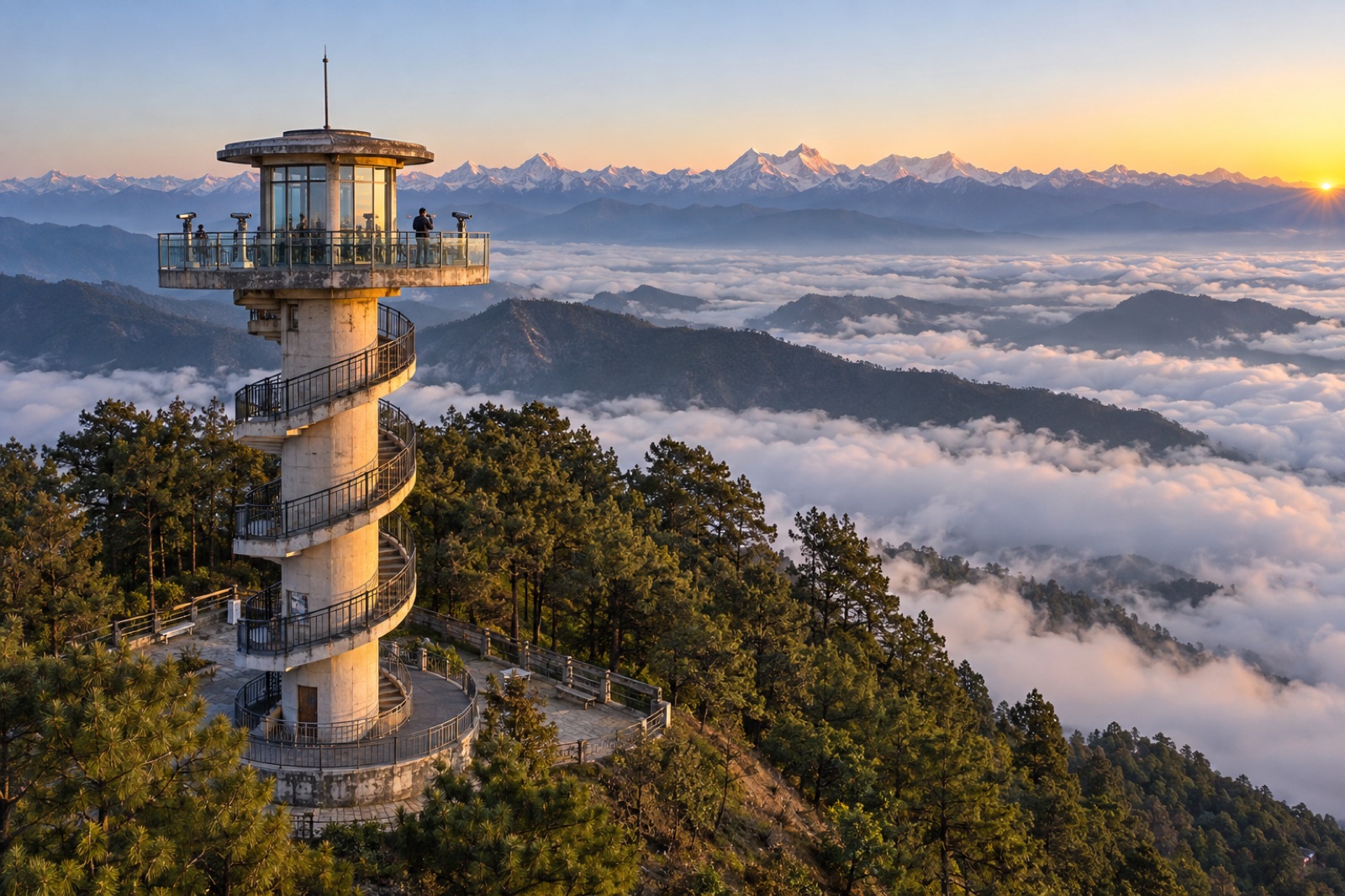
The best time to visit Daman is autumn and winter, when stable, haze-free skies deliver the clearest and widest Himalayan panorama at sunrise. Spring is the other prize season, trading a little clarity for hillsides of rhododendron bloom. The summer monsoon usually hides the peaks behind cloud, though it leaves the valleys lush and green.
Season by season
Autumn (October–early December) — best overall
Post-monsoon air is crisp and clean, giving the most reliable, widest views from the Daman view tower. Days are pleasant; nights are cool. This is peak season, so book your room ahead.
Winter (December–February) — crisp and quiet
Skies are often superbly clear, but mornings are cold, sometimes with frost. Fewer visitors mean a peaceful ridge; bring serious warm layers for the dawn wait.
Spring (March–April) — flowers plus views
Rhododendrons flush the forests red, pink and white, and views are still good though a touch hazier as the day warms. A lovely time to combine the bloom with the panorama.
Monsoon (June–September) — green but cloudy
Lush valleys and the greenest Palung farms, but the peaks are usually hidden and the Tribhuvan Rajpath can be slippery. Best skipped if mountains are your goal.
What to pack
- Warm layers, hat and gloves for the pre-dawn ridge in any season
- A torch for the early walk to the view tower
- Rain gear if travelling in the shoulder months
Plan the rest of your trip with where to stay in Daman and how to get there. For the national picture, see the best time to visit Nepal.
Frequently asked questions
What is the best time to visit Daman?+
Autumn (October to early December) is the best overall, with stable, haze-free skies and the cleanest, widest Himalayan views at sunrise. Winter is also excellent and crisp but cold, and spring adds rhododendron bloom. The monsoon usually hides the peaks behind cloud.
When are the mountain views clearest at Daman?+
Autumn and winter mornings, when the air is most stable and free of haze. Get to the view tower for sunrise, as clarity is best at first light and clouds and haze tend to build through the day. The monsoon months of June to September often obscure the peaks entirely.
Is Daman cold?+
Yes, it can be. At around 2,300m the ridge is cool year-round and genuinely cold on winter mornings, sometimes with frost. Even in milder seasons the pre-dawn wait at the view tower is chilly, so pack warm layers, a hat and gloves whenever you visit.
Can you visit Daman in the monsoon?+
You can, and the Palung valley farms and forests are at their greenest, but the Himalaya are usually hidden by cloud and the winding Rajpath can be slippery with occasional landslides. If the mountain panorama is your goal, choose autumn, winter or spring instead.