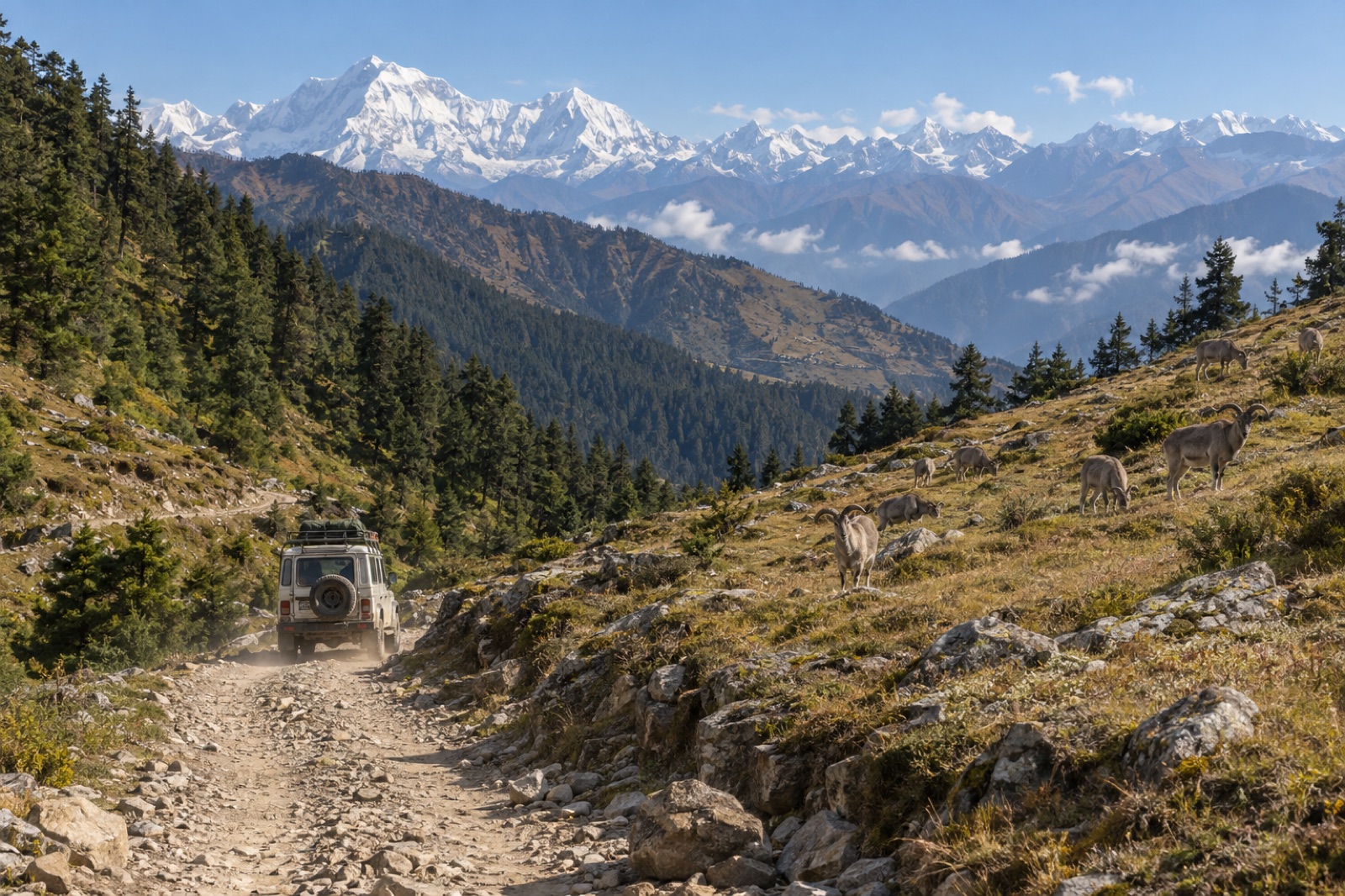
Trekking · Gorkha
Gorkha: Trekking & the Manaslu Gateway
Gorkha is the trailhead district for Manaslu, Tsum and Ruby Valley treks, plus Barpak, Laprak and Sirandanda.
If you want the trekking side of Gorkha, this is where Nepal's history and its high Himalaya meet. The district that gave the nation its name is also the gateway to the Manaslu region — home to the world's eighth-highest peak, the restricted Manaslu Circuit, the sacred Tsum Valley and a string of quieter trails through earthquake-rebuilt villages. This collection gathers every key route and base, from week-long teahouse circuits to a sunrise viewpoint above the town.
The short answer
Gorkha district stretches from the warm Budhi Gandaki valley up to the Tibetan border, with Manaslu (8,163 m) at its head. The flagship walk is the Manaslu Circuit from Gorkha, a teahouse loop over the high Larkya La pass, with the hidden Buddhist Tsum Valley as its great side trip. For something lower and greener, the Ruby Valley trek skirts Ganesh Himal, while the Barpak and Laprak trail and the Sirandanda viewpoint offer short, culture-rich hikes near Gorkha town. Tap any route below for routes, permits and timing.
High Himalaya: Manaslu and Tsum
The Manaslu Circuit is the district's signature trek — a roughly two-week loop up the Budhi Gandaki gorge to Samagaun under the Manaslu glaciers, then over the Larkya La into the Annapurna region. Branching off it, the Tsum Valley is a tucked-away Buddhist enclave of gompas, mani walls and Tibetan-influenced villages. Both are restricted areas; our Manaslu and restricted-area treks guide explains the permit rules in full.
Lower trails and viewpoints
Not every Gorkha trek goes high. The Ruby Valley trek is a teahouse-and-homestay route below Ganesh Himal, linking Gorkha and Dhading at modest altitude. Closer to town, the Barpak and Laprak trail walks between the two large hill villages near the 2015 earthquake epicentre, while the Sirandanda viewpoint is a short climb for a dawn panorama of Manaslu and Himalchuli. For more ideas, see our off-the-beaten-path treks in Nepal.
Where to base and what to eat
Trekkers usually overnight in Gorkha town or in village homestays along the trails. Our Gorkha homestays guide covers community lodging in Barpak, Laprak, Ruby Valley and the Tsum villages, and ties into Nepal's wider homestays network. Time your trip around the district's festivals and jatras and you will catch the Gorkha heartland at its liveliest.
Tie it to Gorkha's history
Most trekkers pair the trails with the town's heritage. Climb the hilltop Gorkha Durbar, the Shah-dynasty fort-palace, and ride the cable car up to the Manakamana temple for a wish before you walk. Start with the Gorkha travel guide for the full picture, and check the best things to do in Gorkha to fill any non-trekking days.
Good to know
- Permits first: The Manaslu and Tsum routes are restricted — arrange permits and a guide through a registered agency well before you travel.
- Acclimatise: The Larkya La is over 5,100 m; read up on altitude sickness and build in rest days at Samagaun.
- Season matters: Aim for spring or autumn for the high routes; check the best time to visit Nepal before fixing dates.
Where to stay

Trekking & treks


What to do

Festivals & events

Frequently asked questions
Is Gorkha a starting point for the Manaslu Circuit?+
Gorkha district is the home of the Manaslu and Tsum Valley treks, and the peak of Manaslu lies within it. Most trekkers now drive up the Budhi Gandaki road through Arughat and Soti Khola to start walking, but the classic route historically began on foot from Gorkha town, and the district remains the natural base for the region.
Which treks start from Gorkha district?+
The headline routes are the Manaslu Circuit and the side trip into the sacred Tsum Valley, both restricted-area treks. Gorkha district also anchors the lower-altitude Ruby Valley trek toward Ganesh Himal, and shorter village walks linking Barpak, Laprak and the Sirandanda viewpoint above Gorkha town.
Do you need permits for trekking in Gorkha?+
Yes for the high routes. The Manaslu Circuit and Tsum Valley are restricted areas requiring a Restricted Area Permit, plus Manaslu Conservation Area and, on the northern crossing, Annapurna Conservation Area permits. These must be arranged through a registered agency with a minimum group size, so plan ahead.
When is the best time to trek in Gorkha?+
Spring (March to May) and autumn (late September to November) are best for the high Manaslu and Tsum routes, with stable weather and clear peaks. Lower walks around Barpak, Laprak, Ruby Valley and Sirandanda are feasible across a longer season, though the monsoon brings leeches and cloud.