
Things to do · Gorkha
Manakamana Temple
A wish-fulfilling hilltop temple reached by Nepal's famous Manakamana cable car off the Kathmandu–Pokhara highway.
- Rating
- ★ 4.5 (1500)
- Price
- $$
- Address
- Manakamana, Gorkha, Gandaki Province
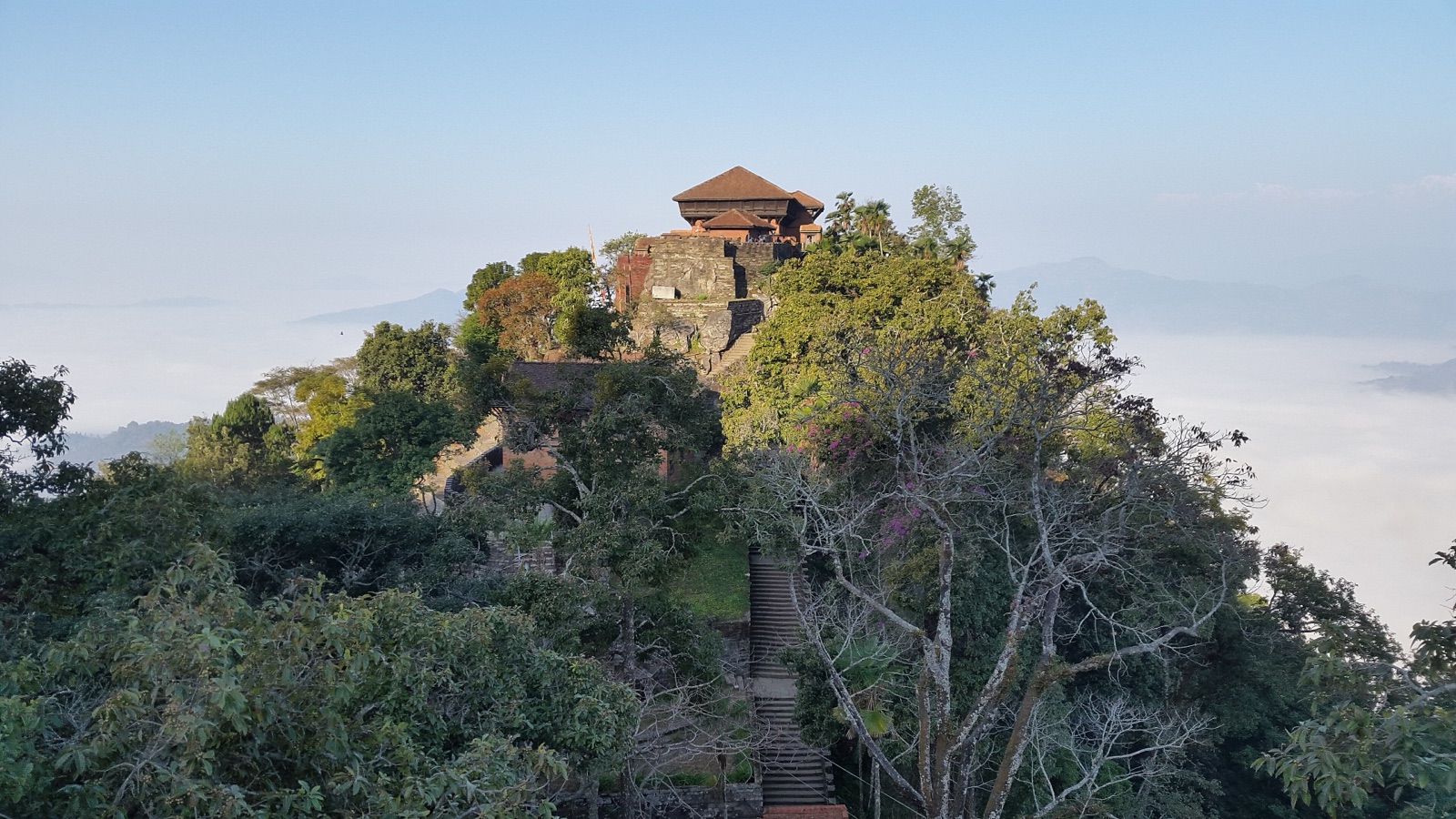
Manakamana is a wish-fulfilling Hindu temple perched on a ridge in Gorkha district, dedicated to the goddess Bhagwati, who is believed to grant the wishes of those who come to worship. It is one of Nepal's busiest pilgrimage sites, and for travellers it offers both a glimpse of living devotion and one of the most scenic short rides in the country.
The wish-fulfilling goddess
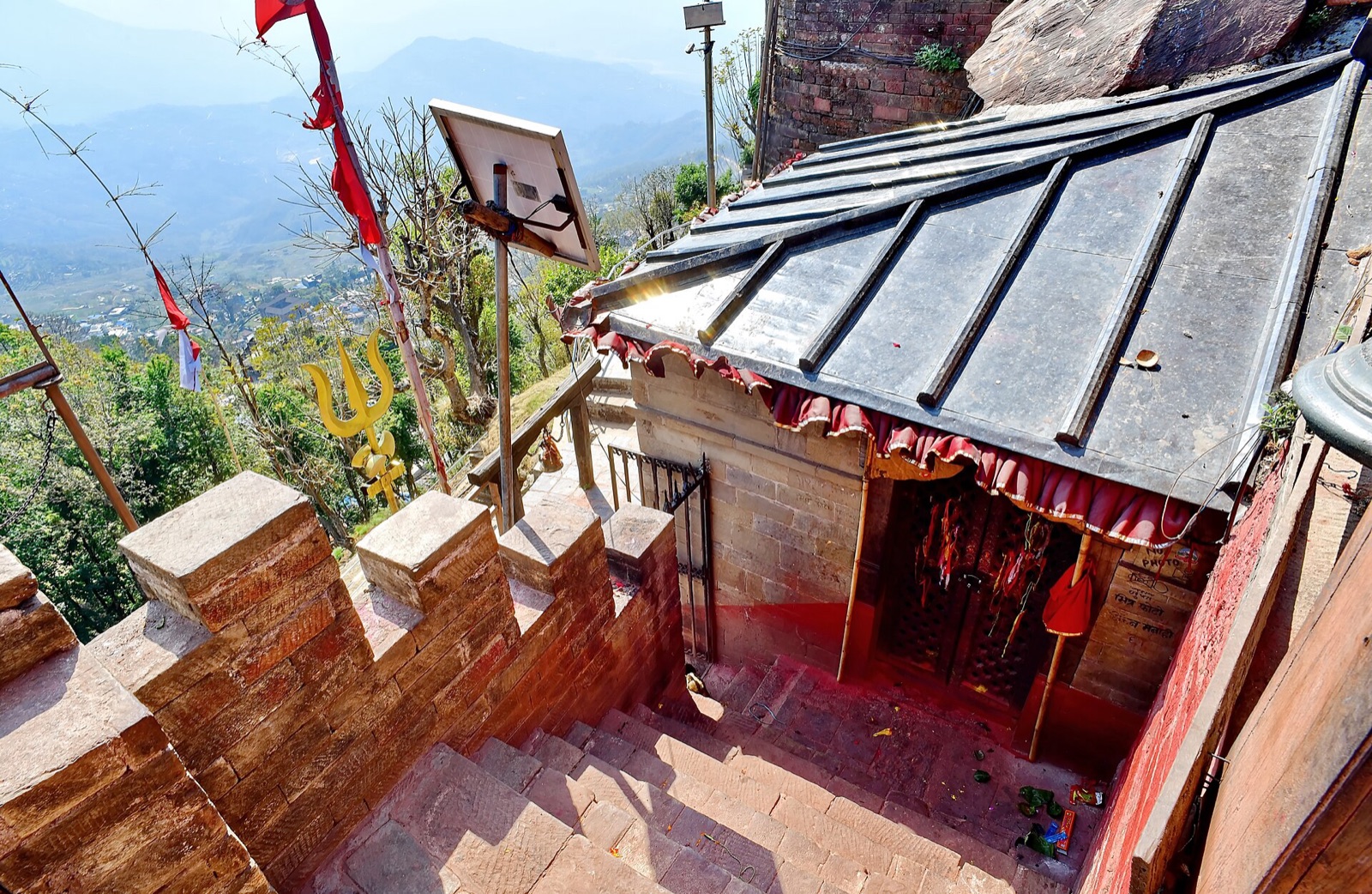
The name says it all: mana means heart or soul, and kamana means wish. Manakamana's goddess is worshipped as a form of Bhagwati (Durga), and tradition — often traced back to the queen of a seventeenth-century Gorkha king — holds that she grants the heartfelt wishes of pilgrims who make the journey to her shrine. Devotees come from across Nepal and India to ask for children, health, success or safe travels, and many return later to give thanks when a wish has come true. The pagoda-style temple stands in a flagstone square at the heart of the ridge-top village, its courtyard busy with bells, offerings and queues of worshippers.
Riding Nepal's first cable car
The easy way up is the Manakamana cable car — Nepal's first, opened in 1998 — which climbs from a base station at Kurintar (Cheres) on the Prithvi Highway, the main Kathmandu–Pokhara road. The ride covers roughly 2.8 kilometres and more than a thousand vertical metres in about ten minutes, swinging high above the Trishuli river gorge and terraced hillsides. Gondolas run in a continuous loop, so you board as cabins come round rather than to a timetable. Our Manakamana cable car guide covers fares, queues and how the ride works in detail. Before the ropeway, pilgrims walked — and the old footpath up from the valley is still there for anyone who wants to earn the darshan with a few hours of steep uphill.
How to visit from Kathmandu or Pokhara
Kurintar sits roughly midway along the highway, about three to four hours' drive from either Kathmandu or Pokhara depending on traffic, which makes Manakamana a natural stopover rather than a separate trip. Travellers with a private car or on a flexible ticket simply break the Kathmandu to Pokhara journey here; through tourist buses generally won't wait, so plan a local bus or private transfer for the onward leg if you stop. Coming from Gorkha town, see our Gorkha to Manakamana route notes.
Offerings and sacrifice
Manakamana is a living shrine, and offerings are part of the experience. Most pilgrims bring flowers, coconuts, sweets and red cloth from the stalls that line the lane to the temple. Animal sacrifice — usually goats or pigeons — also remains part of the tradition for some devotees, particularly during the Dashain festival, and is carried out in a designated area near the temple; the cable car even runs cargo cabins that carry goats up the hill. It is a factual part of worship here rather than a spectacle, so observe respectfully and keep your camera down around the sacrifice area if you find it confronting.
Good to know
- Tickets: Pay for the round-trip cable car at the base station; rates differ for Nepali and foreign visitors.
- Queues: Saturdays — Nepal's main worship day — and festival periods like Dashain bring the longest lines at both the ticket counter and the shrine. Go on a weekday morning and aim for the first cars of the day for the shortest waits.
- Time needed: Allow two to three hours for the queue, the ride and unhurried time at the temple, plus the highway drive either side.
- Etiquette: Dress modestly, remove shoes before approaching the shrine, and ask before photographing worshippers.
- Combine it: Manakamana sits on the main highway, so it slots easily into a Gorkha trip alongside the Gorkha Durbar, the Gorkha Museum and the rest of the best things to do in Gorkha.
Featured in
More what to do in Gorkha

Frequently asked questions
What is Manakamana famous for?+
Manakamana is famous as the temple of the wish-fulfilling goddess Bhagwati — pilgrims believe she grants the heartfelt wishes of those who make the journey — and for the Manakamana cable car, Nepal's first, which carries visitors up from the Kathmandu–Pokhara highway. Together they make it one of Nepal's most visited religious sites.
How do you get to Manakamana Temple?+
The temple sits high on a ridge above the Kurintar area of the Prithvi (Kathmandu–Pokhara) Highway, roughly three to four hours' drive from either Kathmandu or Pokhara depending on traffic. From the base station beside the highway, the Manakamana cable car climbs to the temple in about ten minutes; the old pilgrim footpath up the hillside remains an option for those who prefer to walk.
How much does the Manakamana cable car cost?+
There is a ticket charge for the round-trip cable-car ride, with separate rates for Nepali and foreign visitors. Buy tickets at the base station and expect queues at weekends and during festivals, when the temple is at its busiest.
Is Manakamana worth visiting?+
Yes — even for non-pilgrims, the cable-car ride over the gorge is a scenic experience, and the hilltop temple gives a window into Nepali Hindu devotion. It sits conveniently on the main highway, making it an easy stop between Kathmandu and Pokhara.

