
Things to do · Gorkha
Gorkha Museum
A small museum below the Durbar on Shah-dynasty history and local culture — context for the climb to the fort-palace.
- Rating
- ★ 4.2 (200)
- Price
- $
- Address
- Gorkha, Gandaki Province
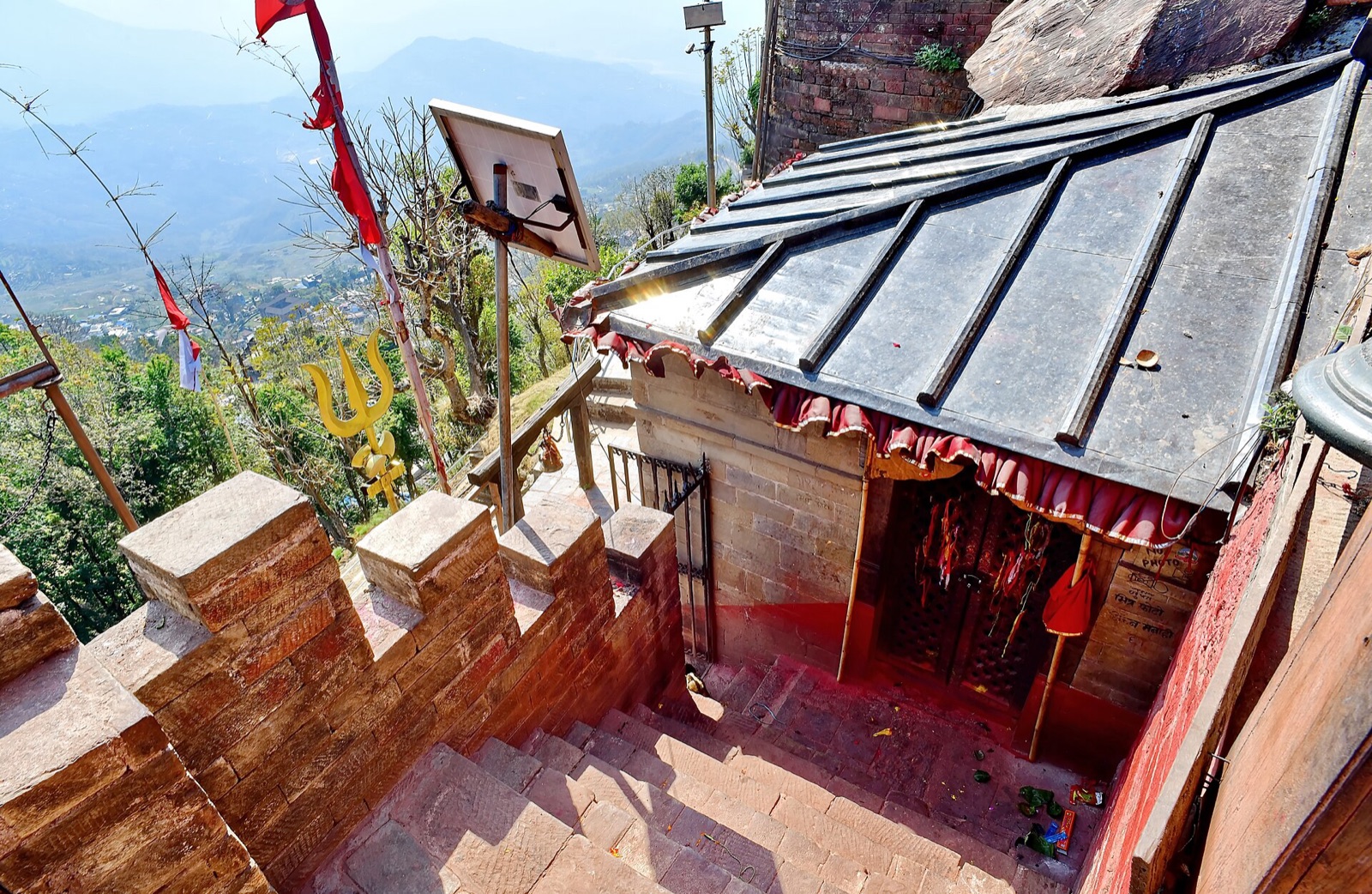
The Gorkha Museum sits below the hilltop Durbar, in the town itself, and tells the story of the Shah dynasty — the line of kings who rose from Gorkha to unify Nepal — alongside displays on local culture and everyday life. Small and unhurried, it adds welcome context to the history you see written into the fort-palace above.
Why Gorkha matters
Gorkha is where modern Nepal began. It was from this small hill town that the Shah kings launched the campaign that, over the course of the eighteenth century, drew dozens of rival principalities into a single kingdom. The dynasty went on to rule the country for generations, and the town's name reaches well beyond Nepal: the word "Gurkha," carried by the soldiers who earned their reputation in the British and Indian armies, comes from Gorkha itself. Standing in the museum with the ridge-top palace overhead, you get a real sense of how a modest garrison town shaped a nation.
What you will see
The collection is compact and easily seen in half an hour to an hour. Displays trace the Shah-dynasty kings and the unification story, and set them against the wider culture of the surrounding hills — regional crafts, tools, dress and scenes from everyday life. The labelling leans towards the historical narrative, so it rewards a slow read rather than a quick lap. Because it is indoors and shaded, it makes a genuinely useful pause on a hot day: an introduction before you tackle the steps to the Durbar, or somewhere cool to gather your thoughts on the way back down.
Getting there
Gorkha lies in the hills between Kathmandu and Pokhara, off the main Prithvi Highway. Most visitors arrive by bus or private vehicle and base themselves in the town, from where everything is walkable. The museum sits within the town below the Durbar, so you will not need transport to reach it — the harder work is the climb up to the fort-palace, not the walk to the museum. If you are short on time, treat the two as a single outing rather than separate trips.
Best time to visit
The clearest, most comfortable months are the autumn window of roughly October to November and the spring one of March to April, when the hill air is dry and the mountains open up on good days. The summer monsoon brings rain, humidity and haze, while winter is cooler but still perfectly doable. Aim to see the museum in the morning if you can, then combine it with the Durbar before the midday sun makes the stone stairway hard going.
Combine it with
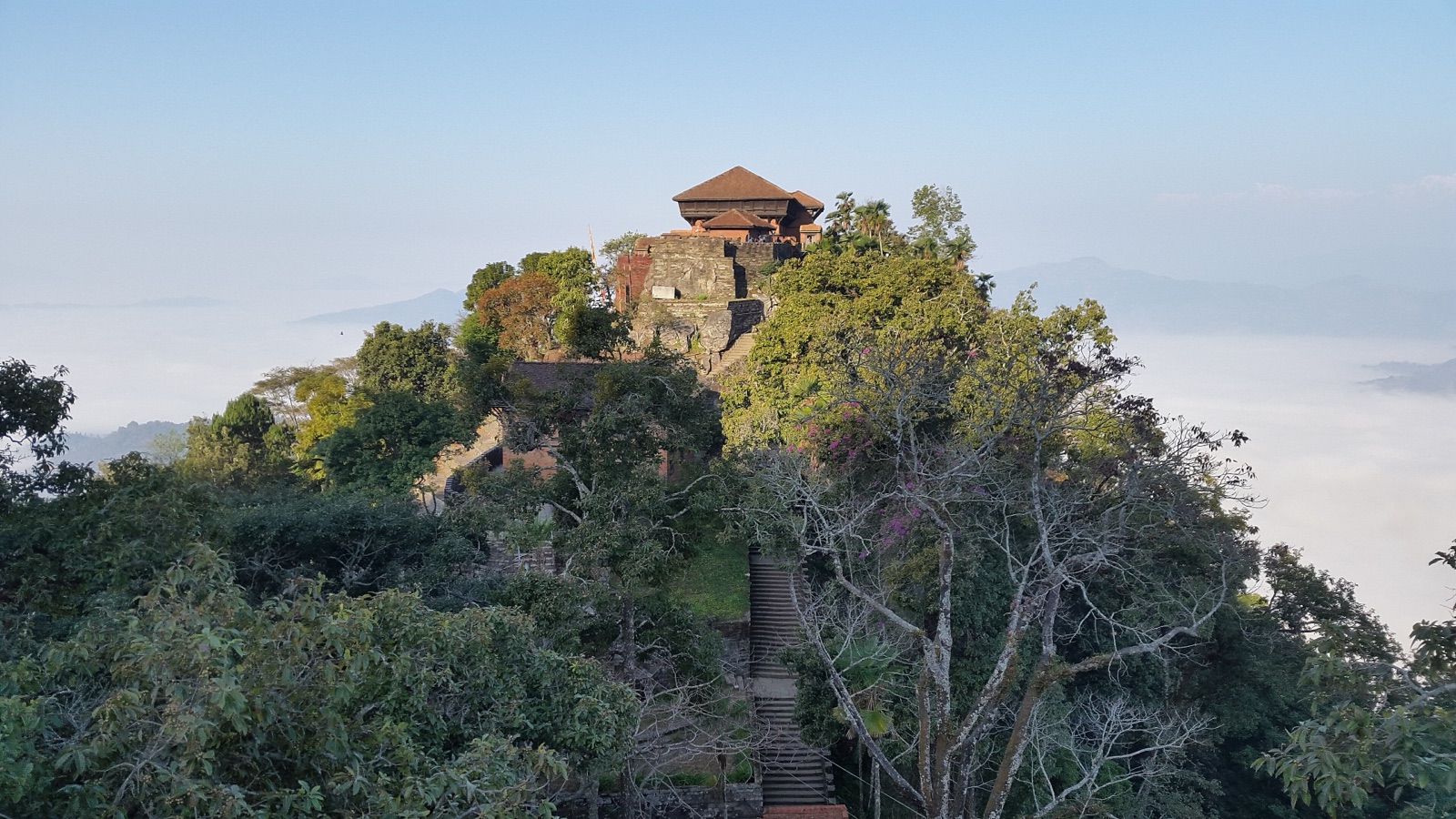
The museum works best as one stop on a fuller day in Gorkha rather than a destination in its own right. Pair it with the Gorkha Durbar directly above — the fort-palace is the reason most people come — and, if you have a second day, the cable-car pilgrimage to Manakamana, one of the most visited temples in this part of the country. For a wider itinerary, see the full best things to do in Gorkha.
Featured in
More what to do in Gorkha

Frequently asked questions
What is in the Gorkha Museum?+
The museum focuses on the history of the Shah dynasty, who rose from Gorkha to unify Nepal, alongside displays on local culture, crafts and everyday life. It is a small but worthwhile stop that adds context to a visit to the Durbar above.
Where is the Gorkha Museum?+
It sits below the hilltop Gorkha Durbar, within the town, so it is easy to combine with the climb to the fort-palace. Most visitors take in the museum either before or after walking up to the Durbar.
Is there an entry fee for the Gorkha Museum?+
There is a modest entry charge, with separate rates for Nepali and foreign visitors. It is inexpensive and pairs naturally with a Durbar visit, so carry small notes for the ticket.
How long does the Gorkha Museum take to visit?+
Around half an hour to an hour is enough to see the collection at a relaxed pace. It makes a good shaded break either side of the steep climb up to the Gorkha Durbar.