Travel tips · Kakani
Best Time to Visit Kakani
Autumn and winter for clear mountain views, spring for strawberries on the Kakani ridge.
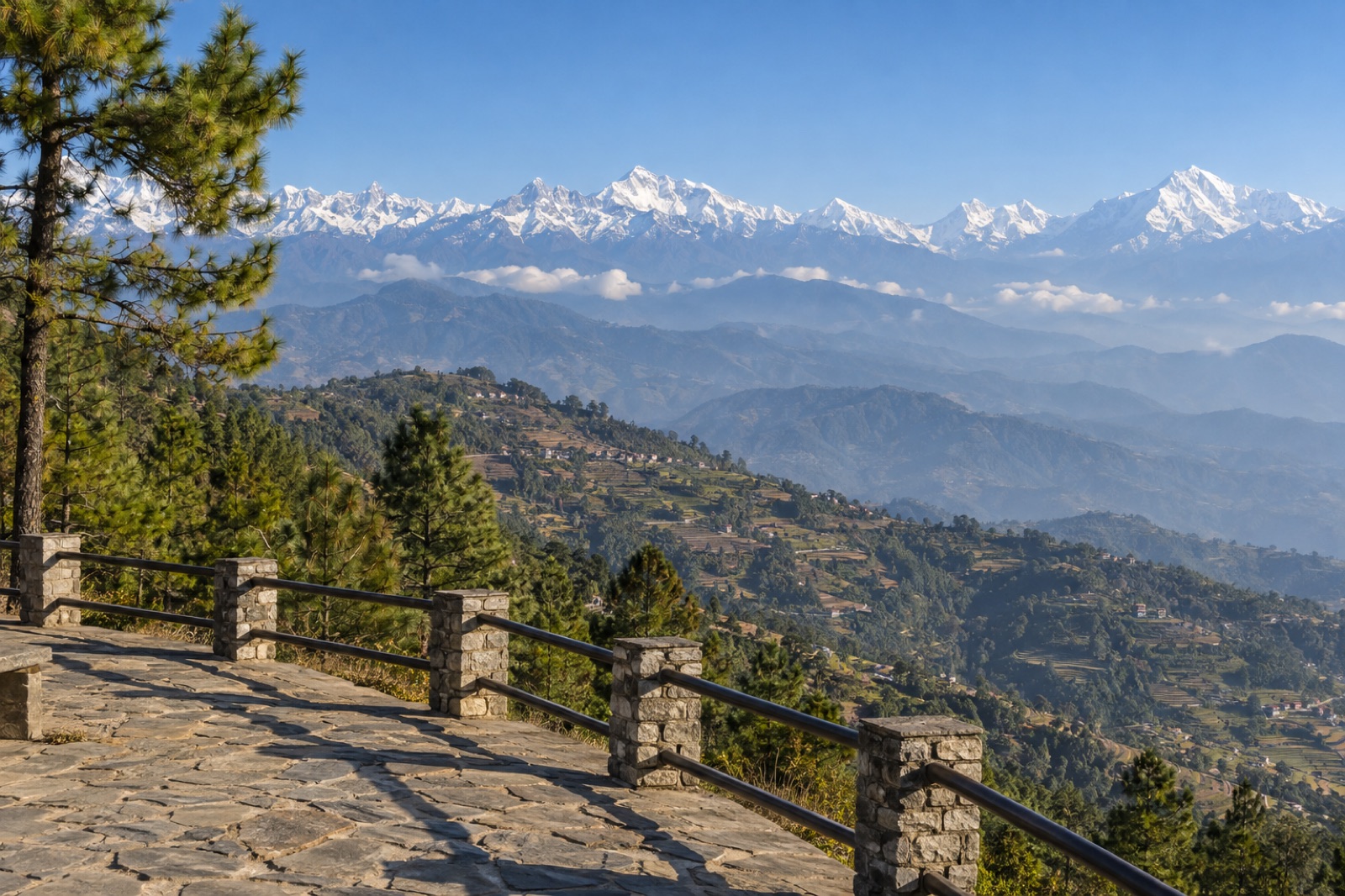
The best time to visit Kakani is autumn (October–November) and winter (December–February), when dry, haze-free air gives the clearest views of the Ganesh Himal, Langtang and Manaslu from the ridge. Spring is the other sweet spot, adding warmer days, blooms and the strawberry harvest, while the monsoon brings lush greenery but usually hides the peaks behind cloud.
Season by season
Autumn (October–November)
The classic season: stable weather, crisp air and the sharpest mountain views from the Kakani Himalaya viewpoint. Expect more visitors at weekends and book a ridge resort ahead if you want a view room.
Winter (December–February)
Often the clearest skies of all, with brilliant dawn panoramas — but cold nights and possible frost on the ridge. Bring serious warm layers and start early.
Spring (March–May)
Warmer, greener and the most reliable window for the strawberry farms. Views remain good in the mornings before haze builds. A lovely all-round time for a relaxed ridge day.
Monsoon (June–September)
Lush and quiet, but the mountains are frequently clouded and the ridge road can be slippery. Best only if you're happy to trade peaks for greenery and cool air.
How Kakani's weather differs from Kathmandu
At roughly 2,070m, Kakani sits several hundred metres above the Kathmandu valley floor, so it is consistently cooler and breezier than the city, with sharper nights and a greater chance of frost in winter. That elevation is exactly why it works as a hot-weather escape in spring and early summer, and why mountain views can be clearer here even on days when the valley is hazy. The flip side is that you should always over-pack for warmth: a layer that feels excessive in Kathmandu is often just right on the ridge at dawn.
Festivals and weekends
Kakani gets busiest on winter weekends and public holidays, when Kathmandu families come up for picnics. If you want the ridge quiet, aim for a weekday; if you enjoy a lively, local atmosphere, the weekend crowds are part of the experience. Either way, book a ridge resort ahead in peak autumn.
Good to know
- Whatever the season, go early — peaks are clearest before mid-morning haze.
- Nights are cold year-round at 2,070m; always pack a warm layer.
- Plan around the best time to visit Nepal and check our Nepal weather and climate guide for the national picture.
Once you've chosen your season, sort out how to get to Kakani and where to base yourself, then browse the top things to do in Kakani to fill your day.
Frequently asked questions
What is the best time to visit Kakani?+
Autumn (October to November) and winter (December to February) are best for clear Himalayan views, as the air is dry and haze-free. Spring brings warmer days, blooms and the strawberry harvest, while the monsoon usually clouds the peaks.
Can you see the mountains from Kakani in winter?+
Yes — winter typically offers the clearest, sharpest views of the Ganesh Himal, Langtang and Manaslu, though dawns are cold and frost is possible on the ridge. Pack warm layers and aim for an early start before any haze.
Is Kakani worth visiting in the monsoon?+
The monsoon (June to September) turns the hills lush and green but frequently hides the mountains behind cloud, and the ridge road can be slippery. It is fine for greenery and cool air, but go in autumn or winter if mountain views are your priority.
When is strawberry season at Kakani?+
Strawberries usually ripen in the cool months from late winter into spring, with exact timing varying year to year. Spring is the most reliable window to combine the strawberry farms with pleasant ridge weather.