Wildlife · Nepal
Banke National Park
A far-western tiger wilderness beside Bardia — sal forest, grassland and the Babai River with tigers and elephants.
Banke National Park is a far-western tiger wilderness created expressly for conservation — a landscape of sal forest, grassland and the Babai River that joins seamlessly with neighbouring Bardia to form one of the most important tiger habitats in Asia. Declared a national park in 2010 and hailed as a "gift to the earth," it remains wild, little-visited and central to Nepal's tiger recovery.
Location and landscape
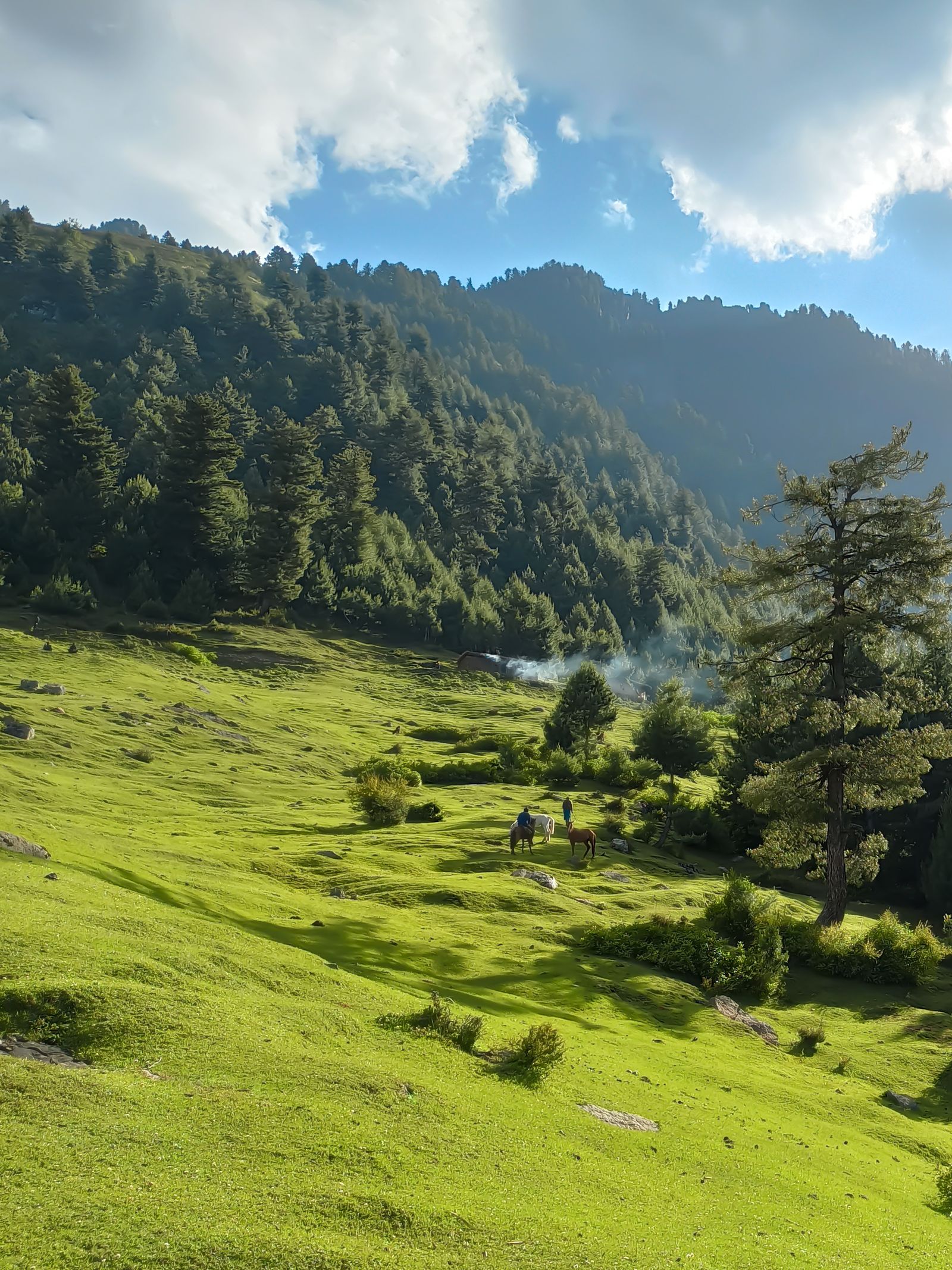
The park covers roughly 550 square kilometres across Banke, Salyan and Dang districts in the far-western Terai, immediately east of Bardia National Park. The terrain is mostly dry sal forest with patches of grassland and riverine jungle, drained by the Babai and other rivers and backed by the Churia hills. Combined with Bardia and its buffer zones, it creates a vast, contiguous protected landscape straddling the Indian border.
Wildlife and scenery
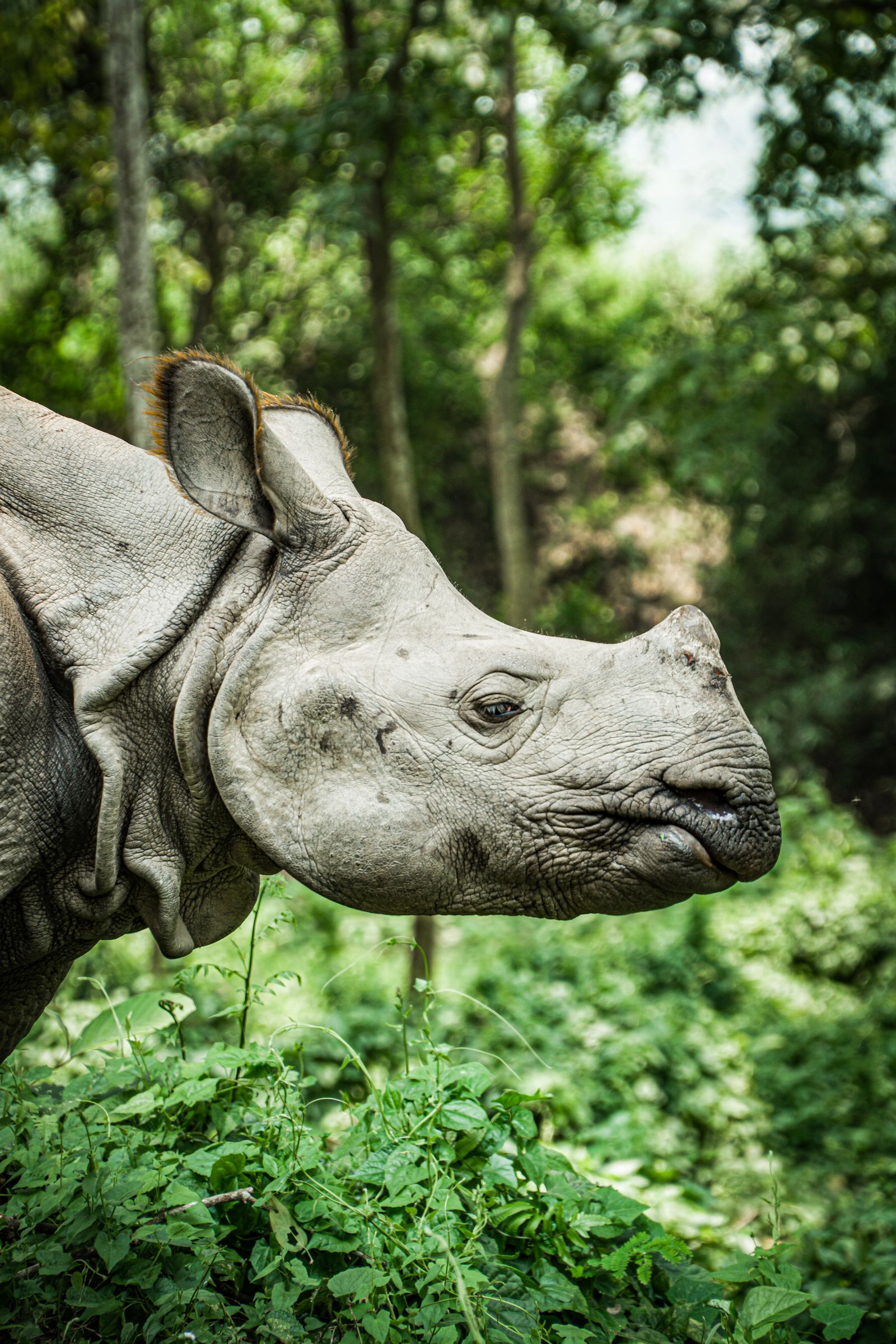
Banke shelters Bengal tigers, wild Asian elephants, sloth bears, leopards, four-horned antelope, the blue bull (nilgai), wild boar and many reptiles, with more than 300 bird species across its forest, grassland and wetland habitats. Because it adjoins Bardia, wildlife moves freely between the two, making the wider landscape one of the strongest tiger strongholds in the region. The scenery is quiet, classic Terai forest with a strong sense of wilderness and very few other visitors.
Why visit
Banke is for travellers who want untouched far-western jungle and a meaningful conservation story rather than polished tourism. It is most often visited as a wilder add-on to Bardia, with jeep safaris, guided nature walks and birdwatching along the Babai. With very few visitors, the sense of having the forest to yourself is part of the appeal, and patient travellers may encounter elephants, sloth bears or fresh tiger tracks. For lodges, river activities and the established gateway nearby, see the Bardia destination hub.
How to get there
Fly from Kathmandu to Nepalgunj, then drive east along the East–West Highway to the park, which sits close to Bardia. Access is by road, with permits issued at park offices and guides arranged locally. Many itineraries pair Banke and Bardia on a single far-western trip.
Best time to visit
October to April offers cool, dry weather and the best wildlife viewing, with sightings improving from late winter into spring as the grass thins and animals gather near water. The monsoon from June to September is hot and wet, with overgrown, difficult trails and fewer productive safaris.
Permits and fees
Visitors need a national park entry permit, paid at the park office, with the highest rate for foreign nationals and lower rates for SAARC and Nepali citizens. Jeeps and guides are charged separately and arranged locally. Carry your passport and use licensed guides for safety and the best wildlife knowledge.
Conservation note
Banke was established specifically to extend tiger habitat and connect Bardia with the wider Terai Arc Landscape, and it has become integral to Nepal's success in roughly tripling its wild tiger population. Maintaining this corridor against poaching and habitat fragmentation is the park's central mission. Visitors help by choosing ethical safaris, supporting buffer-zone communities and never disturbing wildlife or buying wildlife products.
Banke is the conservation engine of the far west. Compare it with its larger sister park Bardia National Park, the lake-centred Rara National Park to the north, or browse the full national parks of Nepal collection.
Frequently asked questions
Where is Banke National Park?+
Banke National Park is in the far-western Terai of Nepal, in Banke, Salyan and Dang districts, immediately east of Bardia National Park. It lies along the East–West Highway, a short drive from Nepalgunj.
What is Banke National Park known for?+
Banke is a dedicated tiger conservation area, declared a national park in 2010 and known as a 'gift to the earth'. Together with adjoining Bardia it forms a single large tiger landscape spanning the Nepal–India border.
What wildlife lives in Banke National Park?+
Banke shelters Bengal tigers, wild Asian elephants, sloth bears, leopards, four-horned antelope, blue bull (nilgai) and many reptiles, along with over three hundred bird species in its sal forest, grassland and river habitats.
How do you get to Banke National Park?+
Fly from Kathmandu to Nepalgunj, then drive east along the East–West Highway to the park, which is close to its sister park Bardia. Access is by road, with entry permits issued at park offices and guides arranged locally.
When is the best time to visit Banke National Park?+
October to April is best, with cool, dry weather and clearer wildlife viewing as the grass thins. The monsoon from June to September is hot and wet, making trails difficult and safaris less productive.