Wildlife · Nepal
Common Leopard in Nepal
Nepal's most adaptable and widespread big cat — from Terai jungle to the forested hills around Kathmandu.
The common leopard (Panthera pardus) is Nepal's most widespread and adaptable big cat — a golden, rosette-coated predator that ranges from the steamy Terai jungles up through the mid-hills and forests, far beyond the narrow homes of its rarer cousins. Where the snow leopard clings to the high alpine and the clouded leopard hides in eastern forests, the common leopard thrives almost everywhere there is cover and prey.
Description
The common leopard has a tawny-gold coat patterned with dark rosettes, a powerful build and a long tail. It is smaller than the Bengal tiger but immensely strong for its size. Solitary, secretive and mostly nocturnal, it is an outstanding climber that frequently drags its kills high into trees to feed in safety. Its adaptability — in diet, habitat and proximity to people — is the key to its success across Nepal.
Where to see it in Nepal
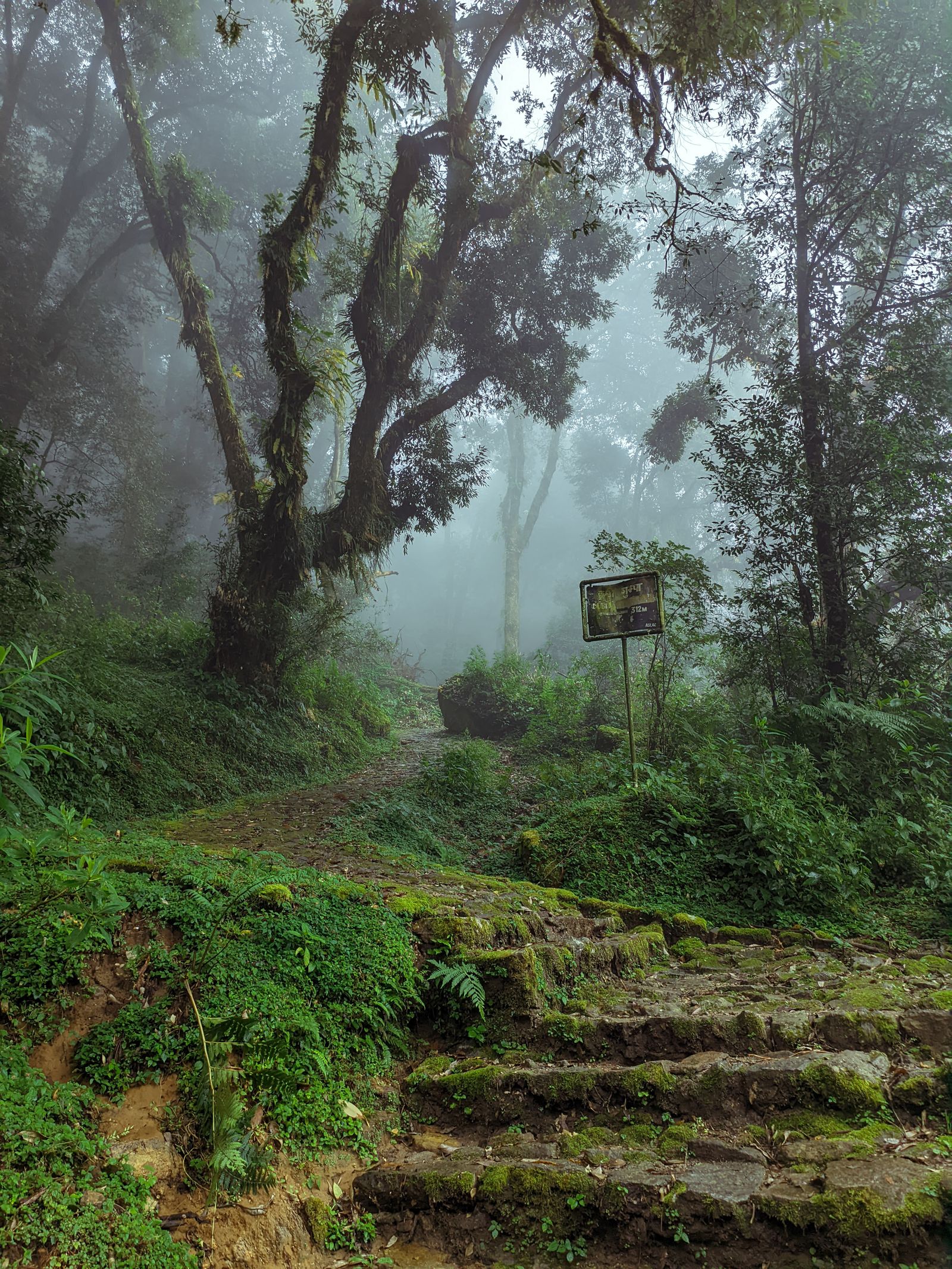
Unlike the high-altitude snow leopard or the rare clouded leopard, the common leopard is broadly distributed. It is found in the Terai parks of Chitwan and Bardia, throughout many hill districts, and even on the forested fringes of the Kathmandu Valley — notably Shivapuri-Nagarjun National Park on the city's northern rim. Because it is so shy and nocturnal, an actual sighting is difficult and usually a lucky bonus on a Terai safari rather than a guaranteed highlight.
Conservation status
The common leopard is listed as Vulnerable on the IUCN Red List and is protected under Nepali law. Despite being widespread, it faces habitat loss, prey depletion and retaliatory killing tied to conflict with people. Maintaining forest corridors and wild prey, while reducing livestock losses in the hills, is central to keeping its populations stable.
Best parks and season
For the best, if still slim, chance of an encounter, choose Bardia or Chitwan during the cool, dry October to April season. Early-morning and late-afternoon jeep drives and guided walks offer the highest odds, as leopards are most active around dawn and dusk. In the mid-hills, camera-trap surveys reveal them far more often than human eyes ever do.
Behaviour and ecology
The common leopard is a model of ecological flexibility. It hunts everything from deer and monkeys to hares, birds and, near villages, livestock and dogs. This last habit makes it a significant source of human-leopard conflict in the mid-hills, where forest meets dense settlement and natural prey is thin. Its tree-caching of kills, silent stalking and ability to live almost unseen close to people all help it persist where larger predators cannot.
Safari notes
On Terai safaris, watch the forest edges and tree branches at first and last light, and listen for the rasping, sawing call. Follow your guide, keep a respectful distance, and treat any sighting as the rare prize it is.
The common leopard shares Nepal's wild spaces with the alpine snow leopard, the elusive clouded leopard and the mighty Bengal tiger. Explore the full wildlife of Nepal collection to see how this adaptable cat fits the bigger picture.
Frequently asked questions
Where can you see common leopards in Nepal?+
Common leopards are Nepal's most widespread big cat, found from the Terai parks of Chitwan and Bardia up through the mid-hills, including the forested fringes of the Kathmandu Valley around Shivapuri-Nagarjun. They are shy and nocturnal, so sightings are difficult and usually a matter of luck.
What is the difference between a common leopard and a snow leopard?+
The common leopard (Panthera pardus) is a lowland-to-mid-hill cat with a golden, rosette-patterned coat, while the snow leopard lives only in the high alpine zone above the treeline and has a pale, smoky coat. Nepal's rare clouded leopard is a third, smaller cat of eastern forests.
What is the conservation status of the common leopard?+
The common leopard is listed as Vulnerable on the IUCN Red List and is protected under Nepali law. Habitat loss, prey depletion and retaliatory killing linked to human-leopard conflict are its main threats.
Are common leopards dangerous to people in Nepal?+
Common leopards are a notable source of human-wildlife conflict in the mid-hills, where they take livestock and dogs and are occasionally involved in attacks on people. Conflict tends to rise where forest meets dense settlement and natural prey is scarce.
Do leopards climb trees?+
Yes. The common leopard is an excellent climber and often hauls its kills up into trees to feed undisturbed and to keep them from tigers and scavengers. This caching behaviour is one of the species' most distinctive habits.