Wildlife · Nepal
Wildlife of Nepal
From Terai tigers and rhinos to Himalayan snow leopards and red pandas — Nepal's iconic species and where to find them.
Nepal packs an astonishing range of wildlife into a small country, from the steamy lowland jungles of the Terai, where tigers, rhinos and elephants roam, to the high Himalaya, home to the elusive snow leopard and the jewel-coloured red panda. This collection brings together a guide to ten of Nepal's most iconic species, with where to see each one, its conservation status and the best parks and seasons to plan around.
The short answer
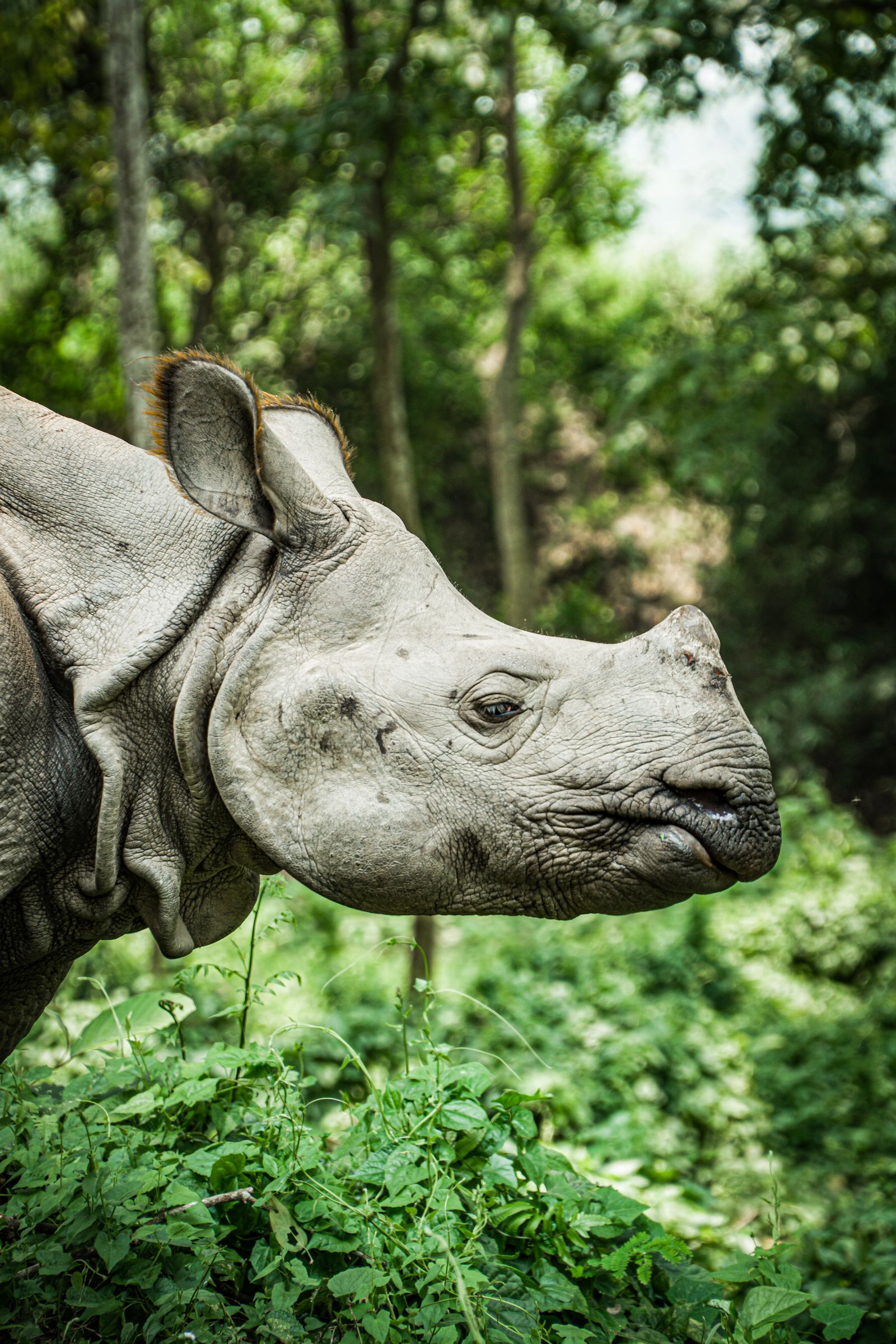
For classic jungle wildlife, head to the Terai parks: Chitwan National Park is the easiest place to see the one-horned rhino, wild Asian elephants and several deer and blackbuck, while Bardia National Park in the far west is Nepal's prime country for the wild Bengal tiger and sloth bear. The rivers hold the critically endangered gharial crocodile and the rare Gangetic river dolphin.
Himalayan and high-country species
The mountains shelter Nepal's most sought-after wildlife. The eastern and central forests are the realm of the red panda, while the trans-Himalayan landscapes of Dolpo, Mustang and the high passes are home to the snow leopard. Higher up, oak and rhododendron forests ring with the call of the Himalayan monal, Nepal's dazzling national bird.
A conservation success story
Nepal is widely regarded as a global bright spot for wildlife conservation. The one-horned rhino has rebounded to over 750 animals, wild tigers have nearly tripled to around 355, and the country has celebrated multiple years of zero rhino poaching. This recovery rests on dedicated anti-poaching patrols, protected forest corridors and, crucially, deep involvement from buffer-zone communities who increasingly see living wildlife as worth more than poached wildlife. Travellers play a part too, simply by choosing ethical, non-elephant-back safaris and responsible guides.
How to plan around wildlife
Match the species to the season and the region. Lowland safaris in Chitwan and Bardia are best from October to April, when cool, dry weather and shorter grass make for the clearest sightings. Himalayan wildlife rewards patience: red pandas and monals are easiest in winter and early spring when they drop to lower forests, while snow leopard treks run in late autumn and winter in remote western Nepal.
For the parks that protect these animals, see the national parks of Nepal collection and our overview of Nepal's national parks and wildlife. Tap any species above for its description, range, conservation status and the best places and seasons to see it.
Our top picks

Bengal Tiger in Nepal

Greater One-Horned Rhino in Nepal

Asian Elephant in Nepal

Red Panda in Nepal

Snow Leopard in Nepal
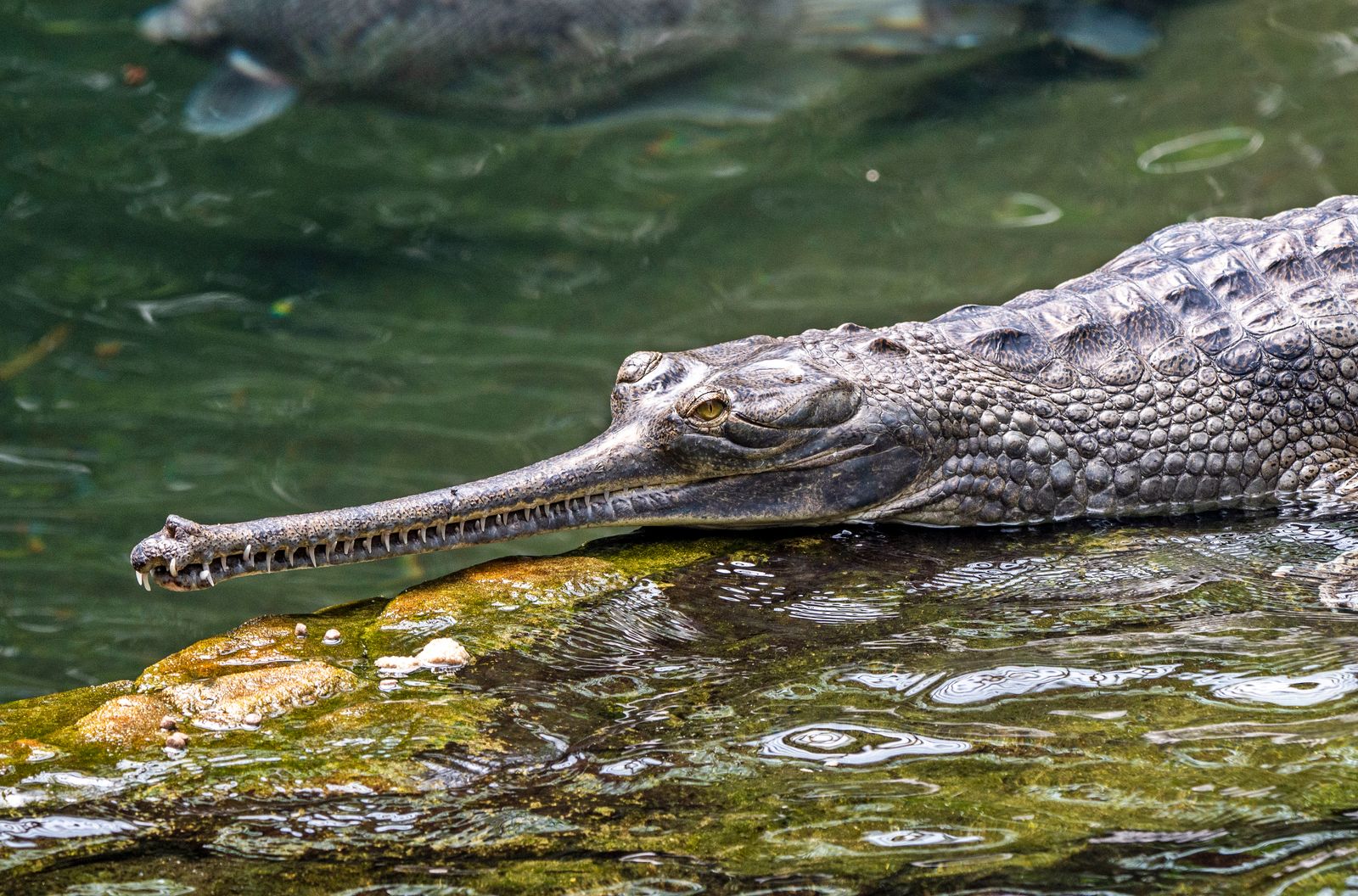
Gharial Crocodile in Nepal

Sloth Bear in Nepal
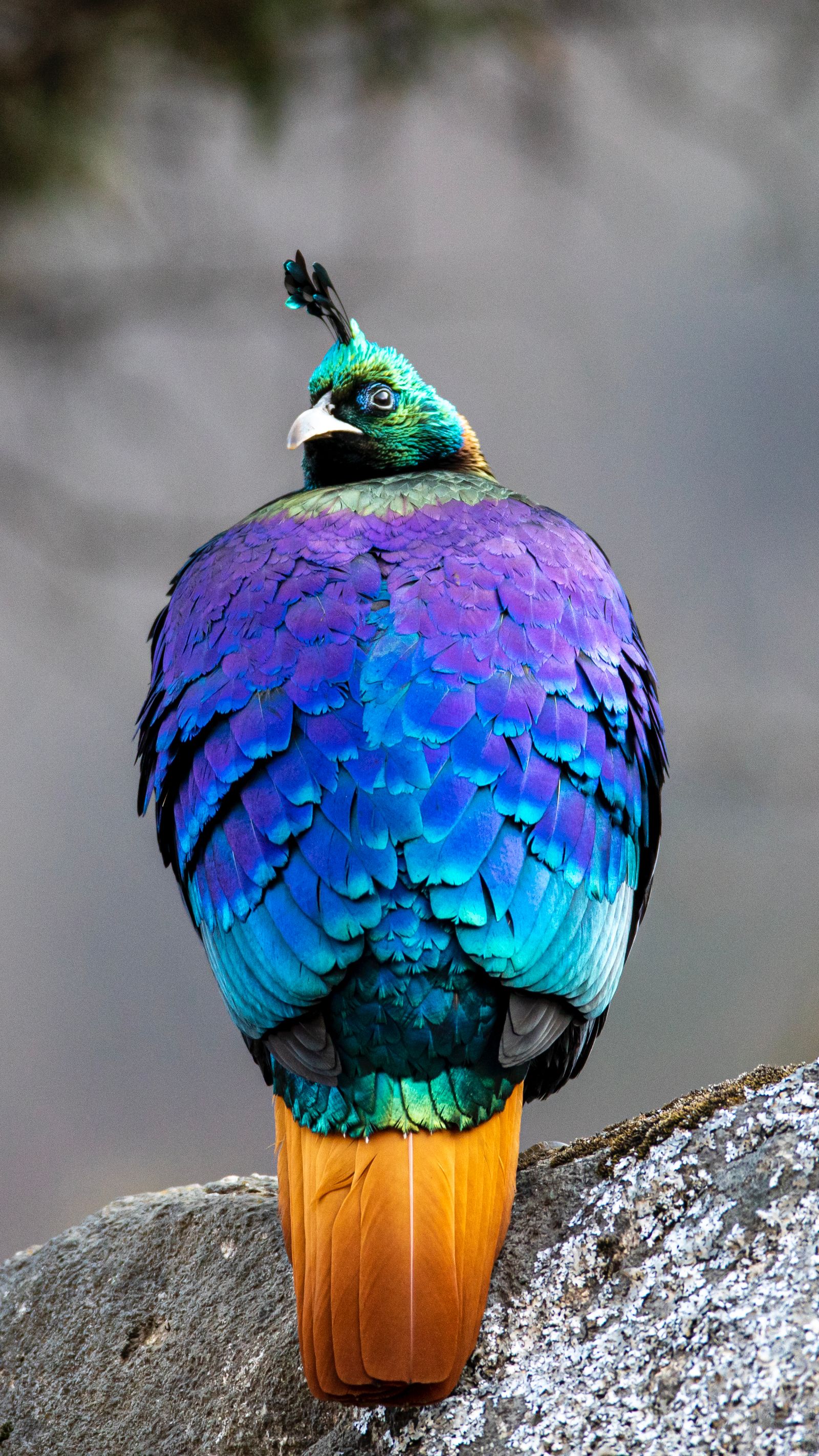
Himalayan Monal (Danphe), Nepal's National Bird
The Ganges River Dolphin in Nepal
Blackbuck and Deer of Nepal
Frequently asked questions
What animals is Nepal famous for?+
Nepal is famous for the Bengal tiger, greater one-horned rhinoceros, Asian elephant, sloth bear and gharial in its lowland Terai jungles, and for high-altitude species such as the snow leopard, red panda and Himalayan monal, the national bird.
Where is the best place to see wildlife in Nepal?+
Chitwan National Park is the most accessible place for rhinos, elephants and deer, while Bardia in the far west offers the best chance of a wild tiger. For Himalayan species, eastern forests hold red pandas and remote Dolpo and Mustang shelter snow leopards.
Does Nepal have a national bird and animal?+
Nepal's national bird is the Himalayan monal (danphe), a brilliantly coloured pheasant of the high forests, and the national animal is the cow. The one-horned rhino and Bengal tiger are flagship species for the country's conservation efforts.
When is the best time for wildlife viewing in Nepal?+
For Terai safaris, October to April is best, with the clearest sightings late in the dry season once the grass is cut. For Himalayan wildlife, spring and autumn give stable weather, and winter brings red pandas and monals to lower elevations.
What predators are in Nepal?+
The Terai jungles hold Bengal tigers, common leopards, sloth bears and, in the rivers, gharial and mugger crocodiles. The hills and high mountains add Himalayan black bears, snow leopards and Himalayan wolves, along with smaller hunters like jackals, jungle cats and clouded leopards. Attacks on visitors are rare — on a guided safari or trek these are animals you hope to glimpse, not fear.
Which animal is only found in Nepal?+
The spiny babbler, a shy brown bird of the mid-hill scrub, is the only species found nowhere on Earth but Nepal. No large mammal is exclusive to the country, though Nepal is a global stronghold for the greater one-horned rhino, and its protected areas shelter some of the world's best-monitored tiger and snow leopard populations.