Wildlife · Nepal
Greater One-Horned Rhino in Nepal
Nepal's conservation icon — where to spot the greater one-horned rhino in Chitwan's grasslands and rivers.
The greater one-horned rhinoceros (Rhinoceros unicornis) is Nepal's most beloved wildlife icon — a massive, armour-plated grazer that has come back from the brink of extinction. Found almost entirely in the lowland Terai, it is the easiest of Nepal's flagship large mammals to see in the wild and a symbol of the country's conservation success.
Description
The greater one-horned rhino is the largest of Asia's rhino species, weighing up to around 2,200 kilograms. Its grey-brown skin folds into thick plates that look like riveted armour, and it carries a single black horn. Despite its bulk it is a strong swimmer, often seen wallowing in rivers and oxbow lakes. Rhinos graze on grasses, leaves and aquatic plants, usually alone or in loose groups around water.
Where to see it in Nepal
The premier destination is Chitwan National Park in the central Terai, home to most of Nepal's rhinos and the most reliable place to watch them grazing in the grasslands or bathing in the Rapti and Narayani rivers. A translocated population also lives in Bardia National Park in the far west. For lodges, jeep and canoe safaris and trip planning, see the Chitwan destination hub and the Bardia destination hub.
Conservation status
The greater one-horned rhino is listed as Vulnerable on the IUCN Red List, a major improvement from its perilous mid-20th-century lows. Nepal's 2021 national count recorded 752 rhinos, the great majority in Chitwan. This recovery is the result of dedicated anti-poaching patrols, army-backed protection, habitat management and community engagement in the buffer zones, with Nepal celebrating several years of zero rhino poaching. Poaching for horn and habitat loss remain the chief long-term threats.
Best parks and season
Choose Chitwan for the surest sightings, or Bardia for a quieter experience. The ideal window is the cool, dry season from October to April. The months of February to April are especially good, when seasonal grass cutting opens up the grasslands and rhinos become easy to spot. Avoid the hot, flood-prone monsoon from June to September. Jeep drives, guided walks and dugout-canoe trips along the rivers all offer rhino encounters.
Behaviour and ecology
The greater one-horned rhino is a creature of the floodplain, dividing its time between grazing the tall grasslands and wallowing in rivers and oxbow lakes to keep cool and shed parasites. As a megaherbivore it acts as a natural gardener, shaping the grasslands through grazing and dispersing seeds across the park. Rhinos are mostly solitary, though they tolerate one another at wallows and feeding grounds, communicating through scent and a range of snorts and calls. Despite poor eyesight, they have an excellent sense of smell and hearing, and a calf stays close to its mother for two to three years. Watching a rhino emerge from morning mist to drink at the river's edge is one of the defining images of a Chitwan safari.
Safari notes
Rhinos are generally calm but can charge if startled, so keep a safe distance and follow your guide closely, especially on walking safaris and near mothers with calves. Never get between a rhino and the water, and back away quietly if one approaches. Support ethical, non-elephant-back operators, respect buffer-zone communities and never buy any wildlife products. The conservation story here is one travellers can actively support simply by choosing responsible lodges and guides.
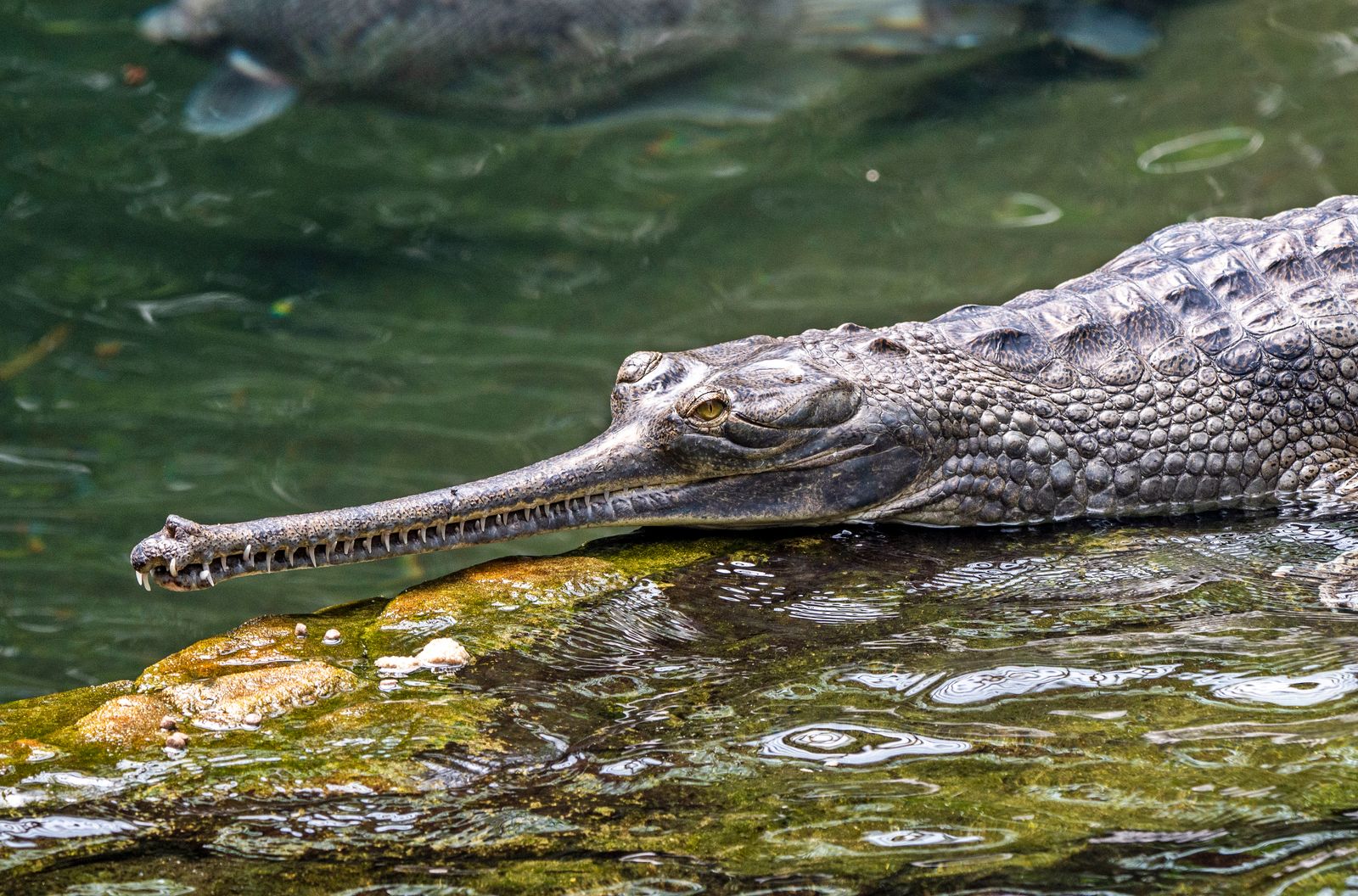
The rhino shares the Terai grasslands with the wild Asian elephant and the Bengal tiger, while the rivers it bathes in are home to the gharial crocodile. Explore the full wildlife of Nepal collection and the national parks and wildlife overview.
Frequently asked questions
Where can you see one-horned rhinos in Nepal?+
Chitwan National Park in the central Terai is the best and most accessible place to see the greater one-horned rhino, with rhinos often spotted grazing in grasslands or wallowing in rivers. Bardia in the far west also holds a translocated population.
How many one-horned rhinos are there in Nepal?+
Nepal's national rhino count in 2021 recorded 752 greater one-horned rhinos, the vast majority in Chitwan National Park. The population has grown steadily thanks to anti-poaching efforts and several years of zero poaching.
What is the conservation status of the one-horned rhino?+
The greater one-horned rhinoceros is listed as Vulnerable on the IUCN Red List, having recovered from near extinction. Poaching for its horn and habitat loss remain the main threats, though numbers in Nepal and India are now rising.
When is the best time to see rhinos in Chitwan?+
October to April is best, with cool, dry weather and good visibility. February to April, when seasonal grass is cut, offers especially clear sightings of rhinos in the open grasslands and along the Rapti and Narayani rivers.
Are one-horned rhinos dangerous?+
Rhinos are usually placid but can charge if surprised or if a mother feels her calf is threatened. On walking safaris, always keep a safe distance, follow your guide and never get between a rhino and the river or its calf.