Wildlife · Nepal
The Ganges River Dolphin in Nepal
A rare, near-blind freshwater dolphin — where to glimpse the Gangetic river dolphin in Nepal's lowland rivers.
The Ganges river dolphin (Platanista gangetica), known in Nepal as the Gangetic river dolphin, is one of the country's rarest and most extraordinary animals — a near-blind freshwater dolphin that navigates the murky lowland rivers by sound alone. Surviving in only a handful of river stretches, it is among the country's most threatened mammals and a powerful symbol of river health in the Terai.
Ganges river dolphin facts and description
The Ganges river dolphin is a stocky, grey-brown freshwater dolphin with a long, narrow beak lined with sharp teeth, a low ridge instead of a true dorsal fin, and tiny, almost useless eyes. Adapted to silty, low-visibility water, it relies on echolocation, emitting clicks to find fish and obstacles. It often swims on its side and surfaces only briefly to breathe, making it easy to miss.
Where to see it in Nepal
The dolphin clings on in a few lowland rivers. The best-known strongholds are the Karnali river near Bardia National Park in the far west, and the Koshi river around Koshi Tappu Wildlife Reserve in the east. Boat trips on these rivers offer the best chance, though sightings are typically a brief glimpse of a surfacing back or beak. For trip planning, see the Bardia destination hub.
Conservation status and population
The Ganges river dolphin is listed as Endangered on the IUCN Red List, and its Nepal population is tiny and fragmented — surveys suggest fewer than 100 individuals survive in the country's rivers. The chief threats are dams and barrages that block movement and alter river flow, water diversion for irrigation, pollution, declining fish stocks and accidental drowning in fishing nets. Maintaining river connectivity, controlling pollution and engaging fishing communities are central to its survival.
Best rivers and season
Head for the Karnali at Bardia or the Koshi at Koshi Tappu during the dry season (October to April), when lower, clearer water concentrates dolphins in deeper pools and makes boat trips more rewarding. Even then, encounters are fleeting and far from guaranteed, so pair a dolphin-watching trip with other Terai wildlife and treat any sighting of this rare river mammal as a real stroke of luck.
Habitat, behaviour and ecology
The habitat of the Ganges river dolphin is deep, slow-moving channels of silty lowland rivers — water so murky that eyesight is almost useless. Having evolved there, the Gangetic dolphin "sees" with sound, producing a constant stream of clicks and listening for the echoes to build a picture of its surroundings and locate prey. It eats fish and crustaceans, often probing the riverbed with its long beak, and a distinctive habit of swimming on one side may help it feel along the bottom. As a top predator it sits at the apex of the river food chain, so its presence is a strong sign of a healthy, well-connected river. Dolphins are usually seen alone or in small, loose groups, surfacing only briefly to breathe before slipping back under. Because they cannot pass dams or barrages, their populations become trapped in isolated stretches, which makes free-flowing rivers essential to their long-term survival.
Viewing notes
Use licensed local boat operators, scan deep, slow-moving river bends patiently, and keep quiet to avoid disturbing the animals. Surfacings are quick, so watch the water steadily rather than expecting a dramatic leap. Support clean-river initiatives and avoid any activity that adds pollution or net pressure to these fragile waterways.
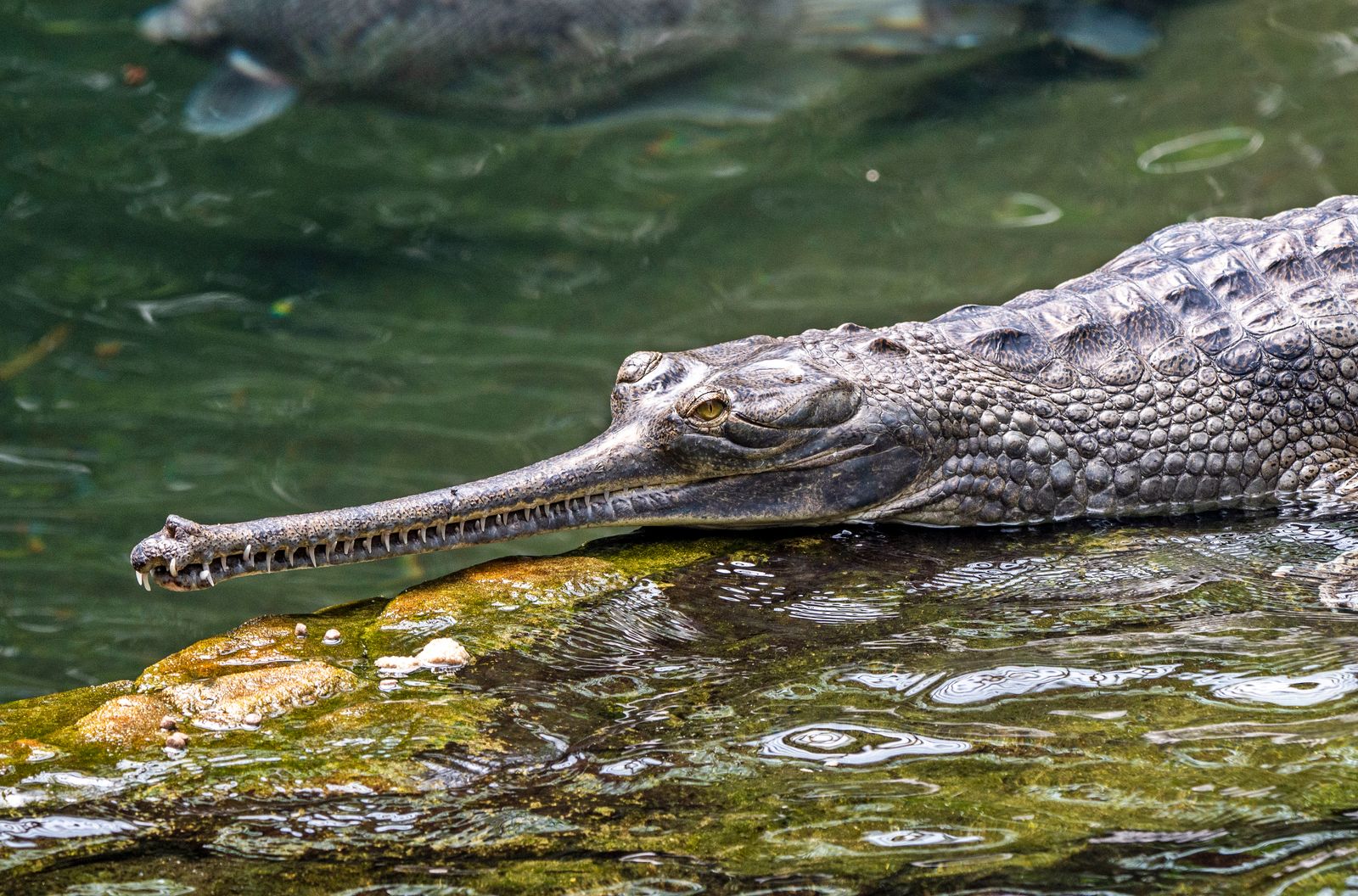
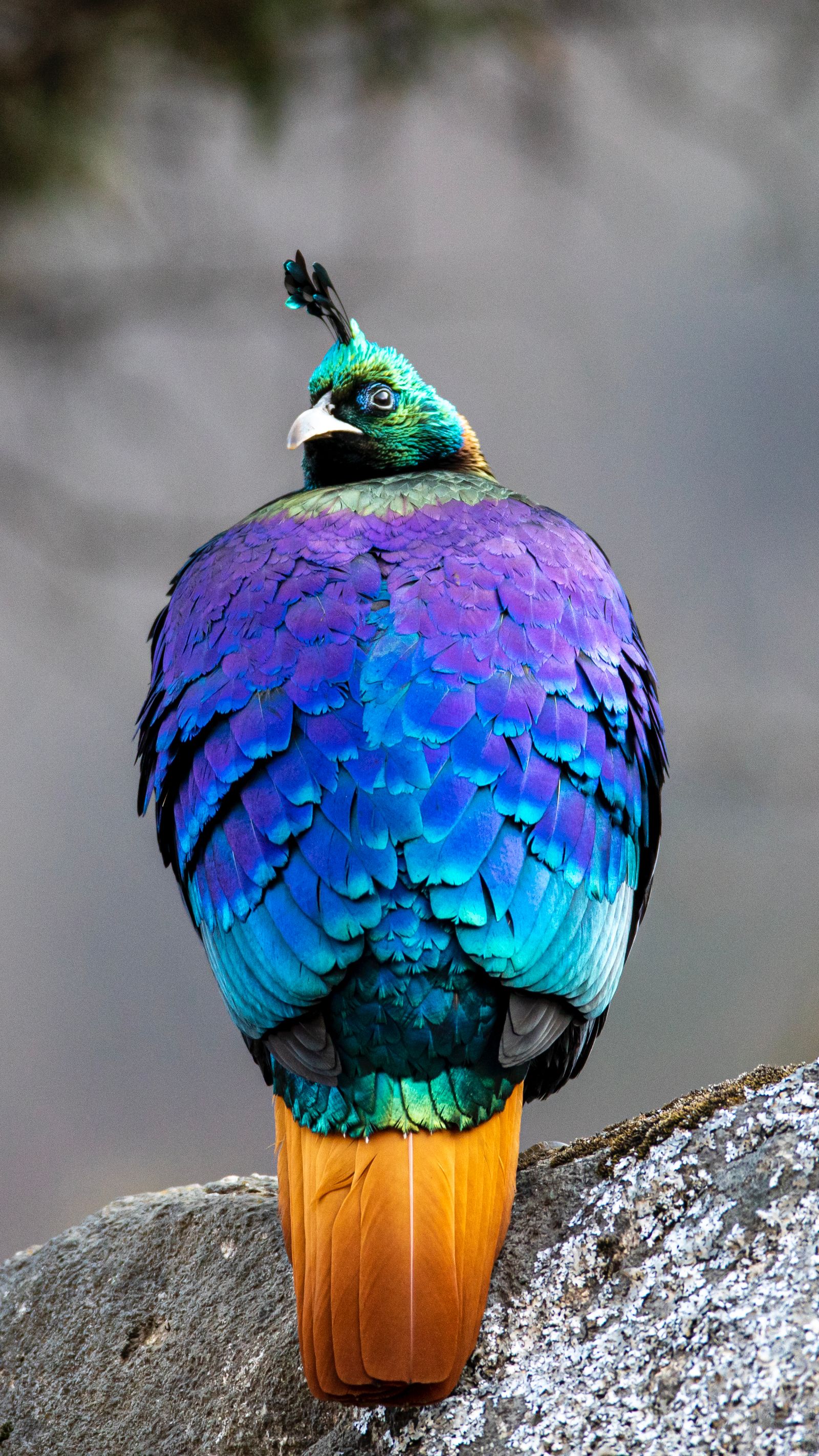
The dolphin shares Nepal's Terai rivers with the gharial crocodile and the wallowing one-horned rhino, while high above in the mountains lives the Himalayan monal. Explore the full wildlife of Nepal collection and the national parks and wildlife overview.
Frequently asked questions
Where can you see Gangetic river dolphins in Nepal?+
Gangetic dolphins survive in a few of Nepal's lowland rivers, notably the Karnali river near Bardia National Park and the Koshi river near Koshi Tappu Wildlife Reserve. Boat trips on these rivers offer the best, though uncertain, chances.
What is the conservation status of the Gangetic river dolphin?+
The Gangetic river dolphin is listed as Endangered on the IUCN Red List, and its Nepal population is very small and fragile. Dams, water diversion, pollution and fishing nets are the main threats to its survival.
Why is the Gangetic dolphin nearly blind?+
Living in murky, sediment-rich rivers, the Gangetic dolphin has tiny, almost functionless eyes and navigates and hunts almost entirely by echolocation, emitting clicks to find fish and obstacles in the water.
When is the best time to see river dolphins in Nepal?+
The dry season from October to April is best, when lower, clearer water concentrates dolphins in deeper pools and makes boat trips on the Karnali or Koshi more rewarding. Sightings are brief and never guaranteed.
How many Gangetic dolphins are left in Nepal?+
Surveys suggest fewer than 100 Ganges river dolphins remain in Nepal, found in isolated stretches of the Karnali, Koshi and a few other rivers. Their numbers make them one of the country's most threatened mammals.