Wildlife · Nepal
Koshi Tappu Wildlife Reserve
Nepal's premier birding wetland — a Ramsar-listed reserve on the Koshi River with wild buffalo, dolphins and migrants.
Koshi Tappu Wildlife Reserve is Nepal's premier birdwatching destination and one of South Asia's great wetlands — a Ramsar-listed mosaic of marsh, grassland and river channels on the Koshi River in the eastern Terai. Established in 1976, it protects the country's last wild water buffalo and draws huge flocks of migratory birds each winter.
Location and landscape
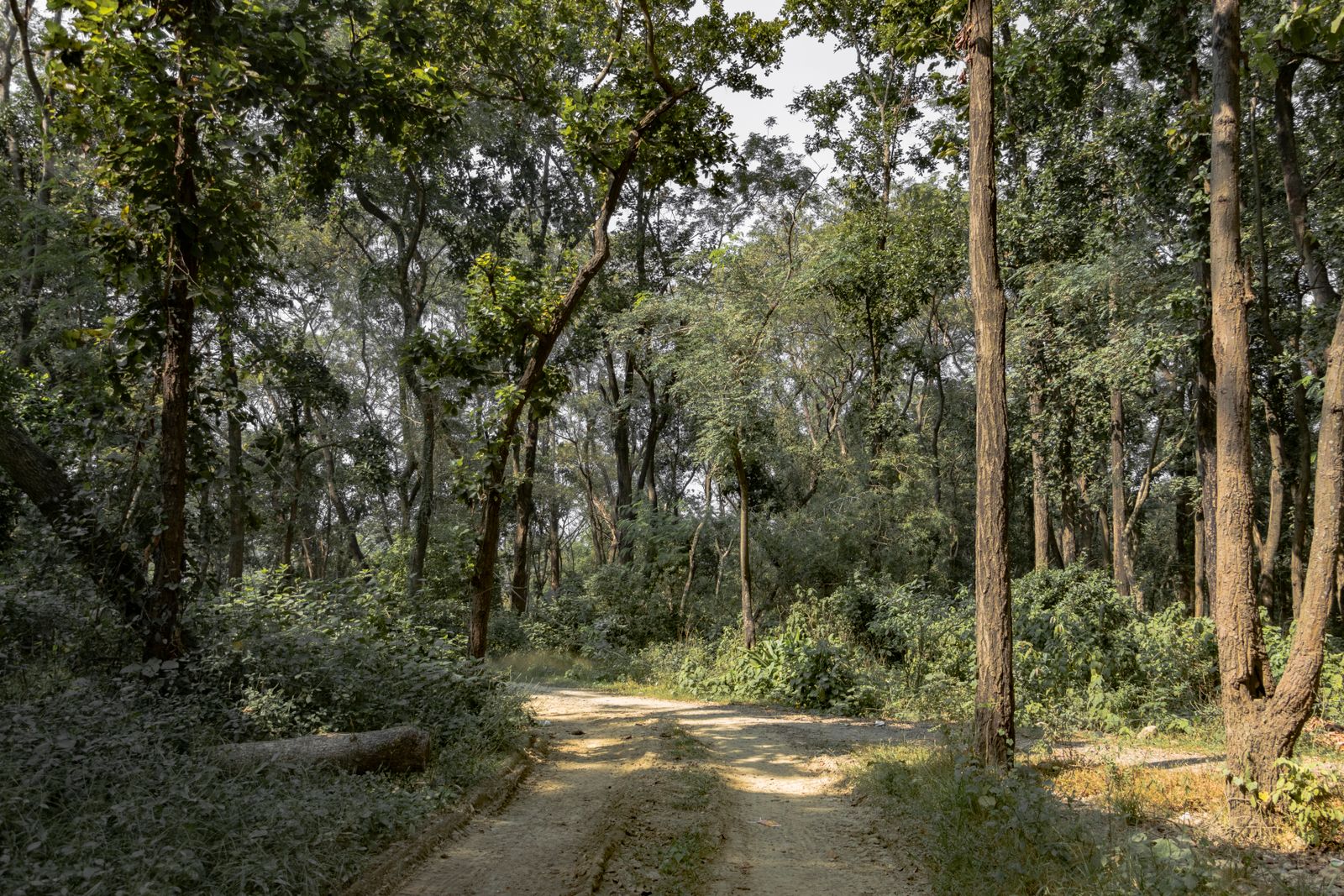
The reserve covers roughly 175 square kilometres across Sunsari, Saptari and Udayapur districts, on the broad floodplain of the Sapta Koshi River. It is a low, watery landscape of marshes, oxbow lakes, mudflats, reed beds and grassland, hemmed by embankments built to manage the river's notorious floods. Its wetlands are recognised internationally as a Ramsar site.
Wildlife and scenery
Birds are the headline: more than 480 species have been recorded, making this the richest birding site in Nepal, especially for migratory waterfowl in winter — ducks, geese, storks, ibises, egrets, waders, gulls, terns and raptors, with rarities that draw birders from around the world. The reserve also shelters Nepal's last herd of wild water buffalo (arna), the endangered Gangetic dolphin in the river, gharial and mugger crocodiles, hog deer, wild boar, blue bull and smooth-coated otters. The scenery is open and watery — a shifting patchwork of channels, sandbars, reed beds and grassland — best explored by boat at dawn and on foot along the river embankments.
Why visit
For birdwatchers it is unmissable, with sightings impossible to match elsewhere in the country, particularly between November and February. Beyond birding, dolphin spotting, boat trips on the Koshi and the chance to see wild buffalo make it a distinctive, low-key alternative to the big jungle parks.
How to get there
The reserve sits on the East–West Highway, reached by a flight to Biratnagar and a drive of a couple of hours, or by long-distance bus from Kathmandu. The headquarters and a handful of lodges and camps lie near the reserve boundary, where boats and guides can be arranged.
Best time to visit
Winter (November to February) is the prime season, when migratory waterbirds arrive in their thousands and the weather is cool and dry. The monsoon (June to September) floods large areas, and the pre-monsoon months are hot and humid, so birding and boat trips are far less rewarding then.
Permits and fees
Visitors need a reserve entry permit, paid at the headquarters, with the highest rate for foreign nationals and lower rates for SAARC and Nepali citizens. Boat trips and licensed guides are arranged locally and charged separately. Carry your passport and binoculars, and book a knowledgeable bird guide for the best experience.
Conservation note
Koshi Tappu safeguards a globally important wetland and the survival of the wild water buffalo, both threatened by the river's shifting course, embankment works and grazing pressure from domestic stock. Community engagement and habitat management are central to its future. Visitors help by birding responsibly, keeping a distance from the buffalo and supporting local guides and lodges.
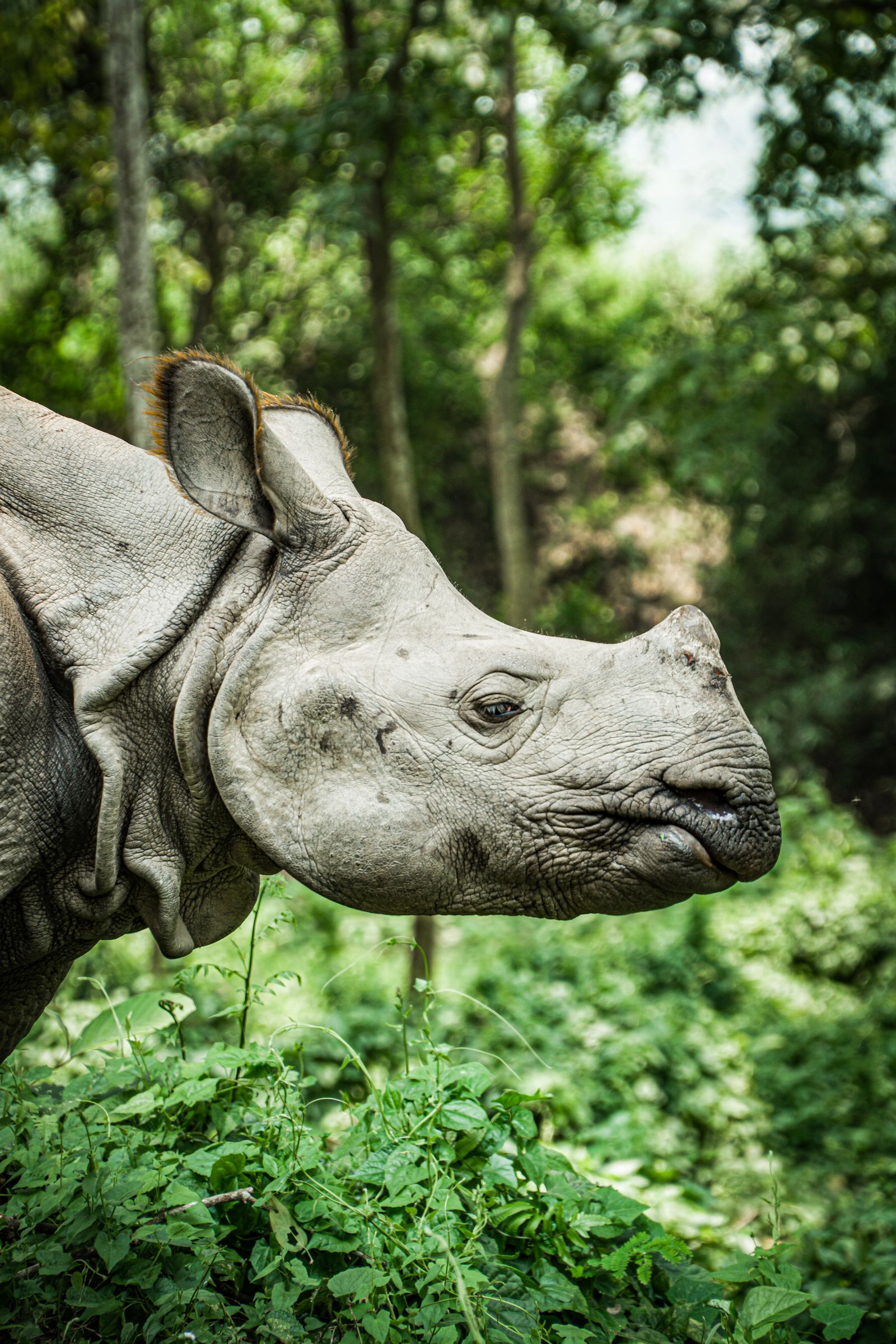
Koshi Tappu is the birding jewel of the eastern Terai. Compare it with the rhino country of Chitwan National Park, the neighbouring Parsa National Park, or browse the full national parks of Nepal collection.
Frequently asked questions
Where is Koshi Tappu Wildlife Reserve?+
Koshi Tappu Wildlife Reserve is in the eastern Terai of Nepal, in Sunsari, Saptari and Udayapur districts, on the floodplain of the Koshi (Sapta Koshi) River. It lies on the East–West Highway, a few hours from Biratnagar.
Why is Koshi Tappu famous for birds?+
Koshi Tappu is Nepal's top birdwatching destination, with more than four hundred and eighty recorded species. Its wetlands are a vital stop for migratory waterbirds in winter, including ducks, storks, ibises and waders rarely seen elsewhere in Nepal.
What animals live in Koshi Tappu?+
The reserve protects Nepal's last population of wild water buffalo (arna), along with Gangetic dolphins in the river, gharial and mugger crocodiles, hog deer, wild boar, smooth-coated otters and many reptiles.
When is the best time to visit Koshi Tappu?+
Winter, from November to February, is best, when huge numbers of migratory waterbirds gather and the weather is cool and dry. The monsoon floods large areas, and the pre-monsoon months are hot and humid.
Do you need a permit for Koshi Tappu Wildlife Reserve?+
Yes. Visitors need a reserve entry permit, paid at the headquarters, with the highest rate for foreign nationals and lower rates for SAARC and Nepali citizens. Boat trips and licensed guides are arranged locally; carry your passport.