Wildlife · Nepal
Parsa National Park
Chitwan's quiet eastern extension — sal forest and Churia hills with tigers, elephants, sloth bears and rich birdlife.
Parsa National Park is the quiet eastern neighbour of Chitwan — a swath of dry sal forest and the rugged Churia hills in the central Terai, sharing much of Chitwan's wildlife but seeing only a fraction of its visitors. First gazetted as a wildlife reserve in 1984 and upgraded to a national park in 2017, it is one of the best places in Nepal for genuine solitude in tiger country.
Location and landscape
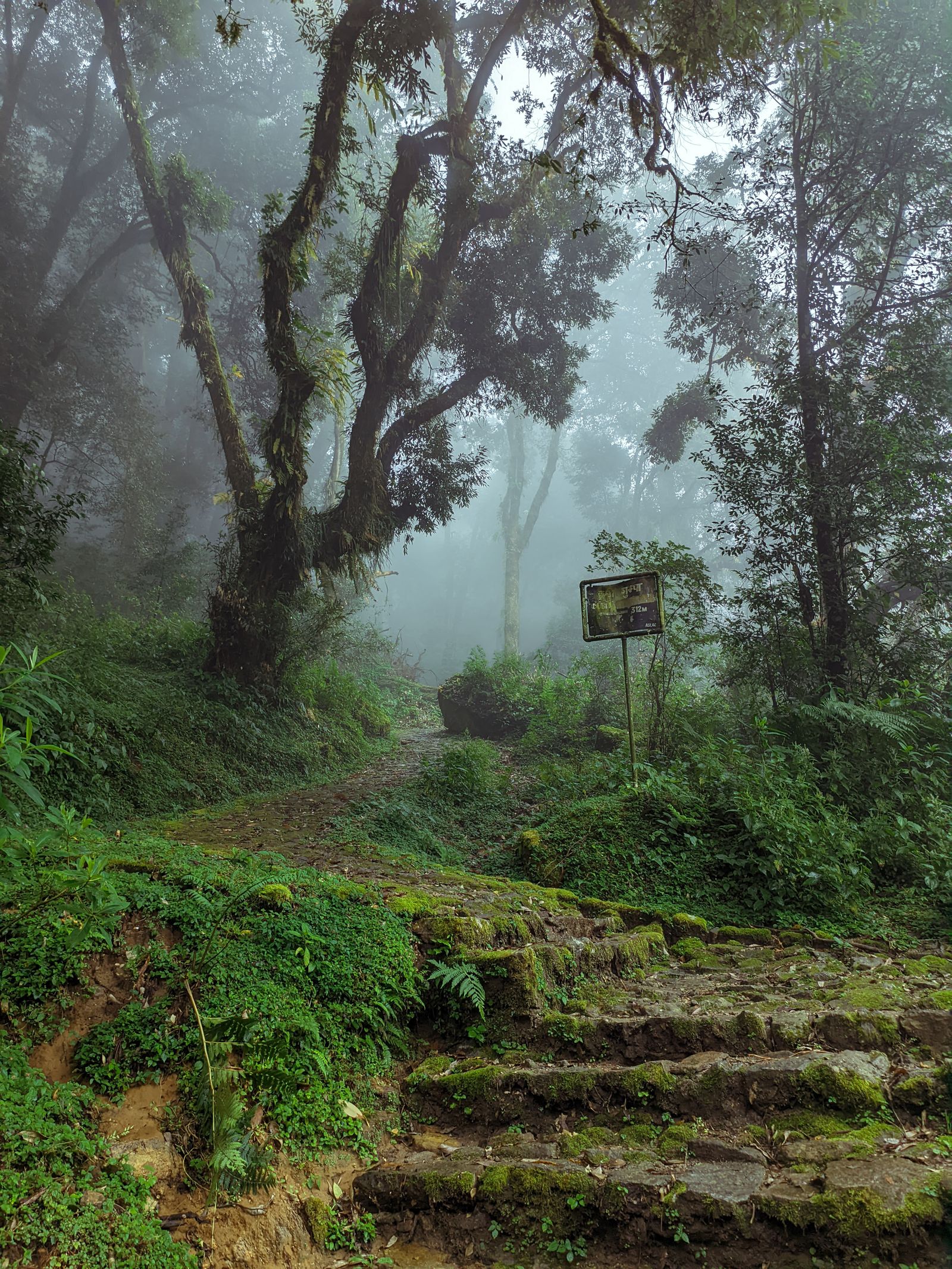
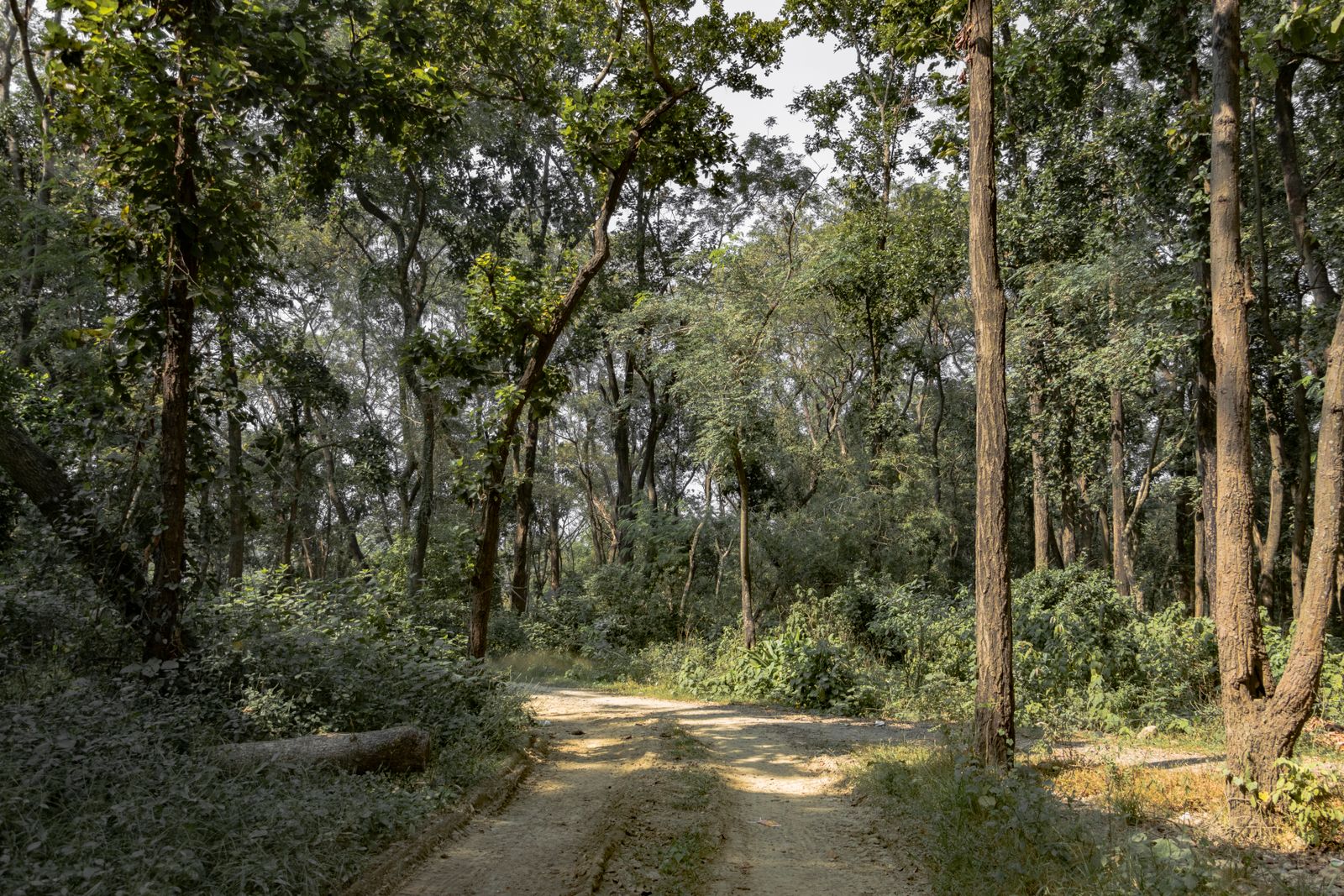
The park covers roughly 627 square kilometres across Parsa, Bara, Makwanpur and Chitwan districts, immediately east of Chitwan National Park and contiguous with it. The terrain is drier than Chitwan's river floodplain — mostly sal forest rising into the broken Churia (Siwalik) hills near the Indian border, cut by seasonal streams. This shared, connected habitat lets wildlife move freely between the two parks.
Wildlife and scenery
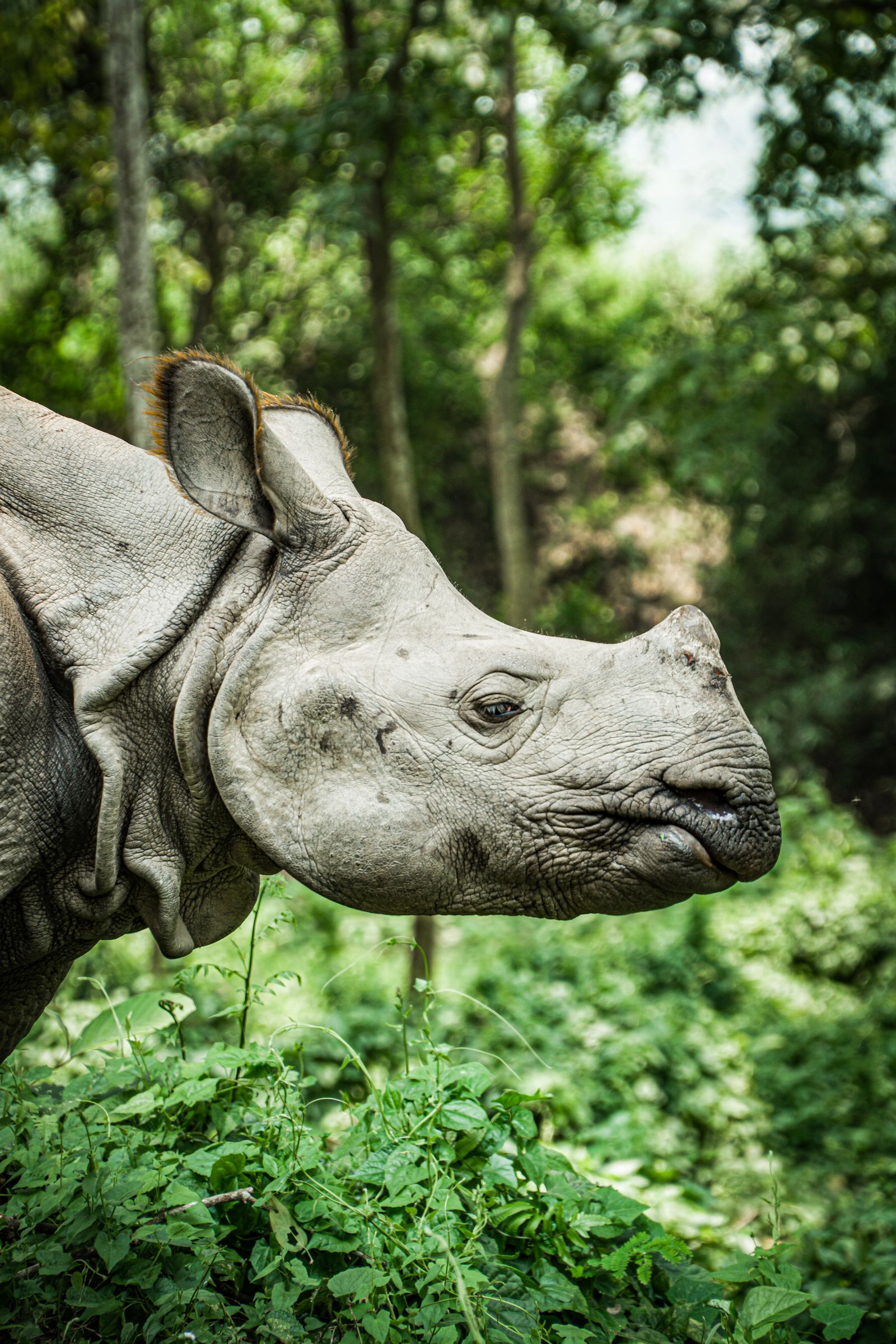
Parsa shelters Bengal tigers, wild Asian elephants, sloth bears, leopards, gaur, sambar, the rare four-horned antelope, wild dog and many reptiles, along with more than 500 bird species, including the giant hornbill, peafowl and many raptors. Sloth bears are a particular feature here, often seen foraging for termites, and the resident wild elephant population is notable for a park of this size. The scenery is classic Terai sal forest blending into hill country, quieter and more rugged than the famous wetlands of its neighbour, and all the more atmospheric for the lack of crowds.
Why visit
It appeals to travellers who want the wildlife of Chitwan without the tourism — a wilder, more private jungle experience with a real sense of discovery. Jeep safaris, guided walks and birdwatching are the main activities. Many visitors combine it with a stay in the Chitwan destination hub next door, using Parsa for a quieter day out.
How to get there
The park lies along the East–West Highway near Hetauda and Birgunj, a few hours' drive from Kathmandu or from the Chitwan gateway at Sauraha. Access is entirely by road, with entry at the park gates where permits are issued and guides can be arranged.
Best time to visit
October to March is most comfortable, with cool, dry weather and good wildlife viewing. The hot pre-monsoon months (April to May) can concentrate animals around water and improve sightings, while the monsoon from June to September is humid, with overgrown trails and tougher safari conditions.
Permits and fees
Visitors need a national park entry permit, paid at the gates, with the highest rate for foreign nationals and lower rates for SAARC and Nepali citizens. Jeeps and guides are charged separately and arranged locally. Carry your passport, and use licensed guides for both safety and the best wildlife knowledge.
Conservation note
Parsa is a vital part of the Chitwan–Parsa complex and the wider Terai Arc Landscape, giving tigers, elephants and other wide-ranging animals the connected habitat they need to thrive. Its expansion and upgrade to national park status strengthened this corridor. Visitors help by choosing ethical safaris, supporting buffer-zone communities and never disturbing wildlife.
Parsa is the quiet half of central Nepal's tiger landscape. Compare it with bustling Chitwan National Park next door, the birding wetlands of Koshi Tappu Wildlife Reserve to the east, or browse the full national parks of Nepal collection.
Frequently asked questions
Where is Parsa National Park?+
Parsa National Park is in the central lowland Terai of Nepal, in Parsa, Bara, Makwanpur and Chitwan districts, immediately east of Chitwan National Park. It runs along the Churia (Siwalik) hills near the Indian border.
What wildlife lives in Parsa National Park?+
Parsa shelters Bengal tigers, wild Asian elephants, sloth bears, leopards, gaur, sambar, four-horned antelope and many reptiles, along with over five hundred bird species. It shares much of its wildlife with adjoining Chitwan.
How is Parsa different from Chitwan?+
Parsa is the quieter, less-developed neighbour of Chitwan, covering drier sal forest and the Churia hills rather than river floodplain. It sees far fewer visitors, so it offers a wilder, more solitary experience for those who seek it out.
How do you get to Parsa National Park?+
The park lies along the East–West Highway near Hetauda and Birgunj, a few hours' drive from Kathmandu or from the Chitwan gateway at Sauraha. Access is by road, with entry at the park gates and arranged guides.
When is the best time to visit Parsa National Park?+
October to March is best, with cool, dry weather and good wildlife viewing. The hot pre-monsoon months can improve sightings near water, while the monsoon from June to September is humid and harder for safaris.