Wildlife · Nepal
Shivapuri Nagarjun National Park
The forested green belt on Kathmandu's rim — day hikes, birdwatching, leopards and the sacred source of the Bagmati.
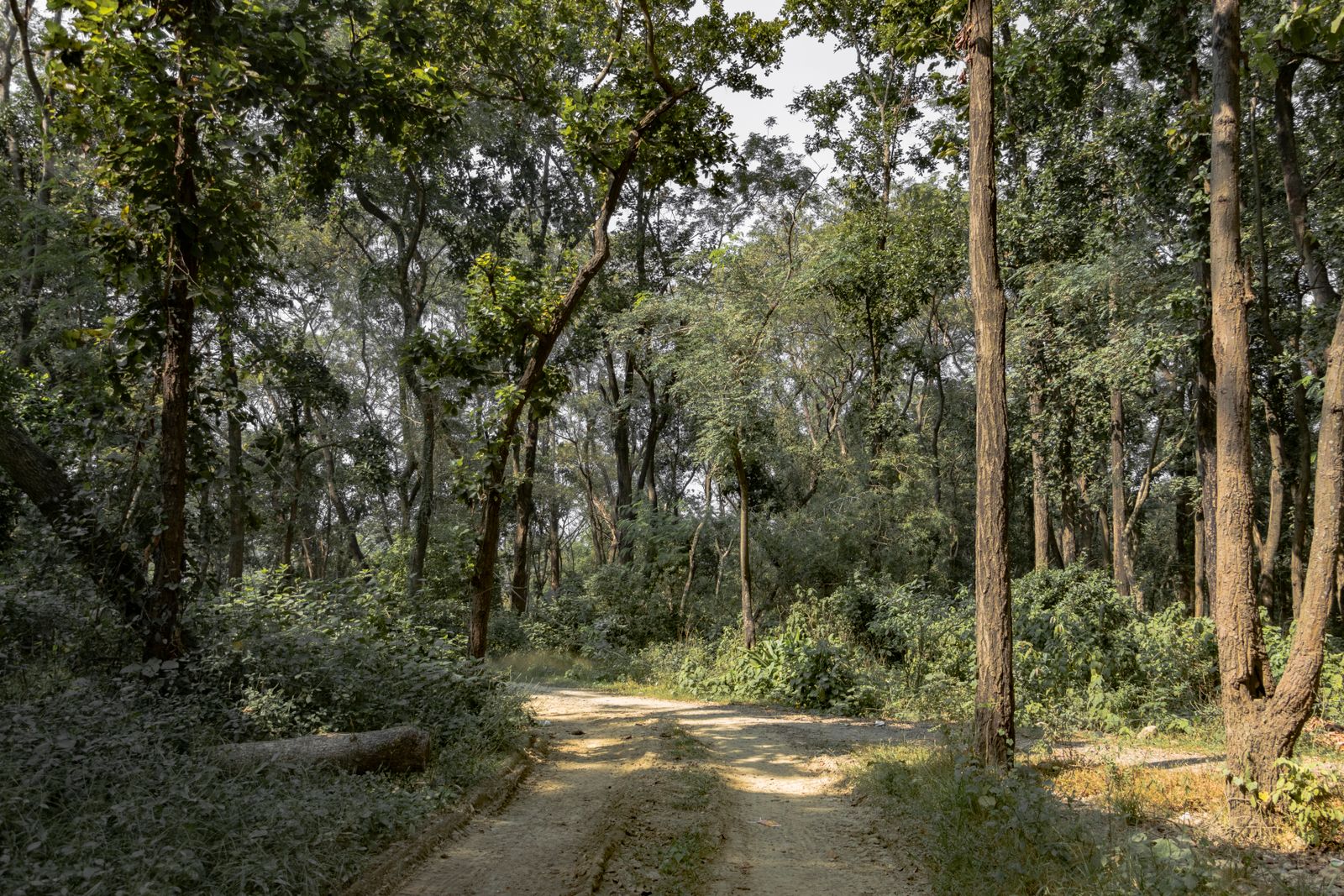
Shivapuri Nagarjun National Park is the forested green belt that wraps the northern and western rim of the Kathmandu Valley — the most accessible national park in Nepal and the capital's natural lung. Created by joining the Shivapuri and Nagarjun forest areas (gazetted as a national park in 2002), it offers day hikes, birdwatching and quiet woodland just minutes from a city of millions.
Location and landscape
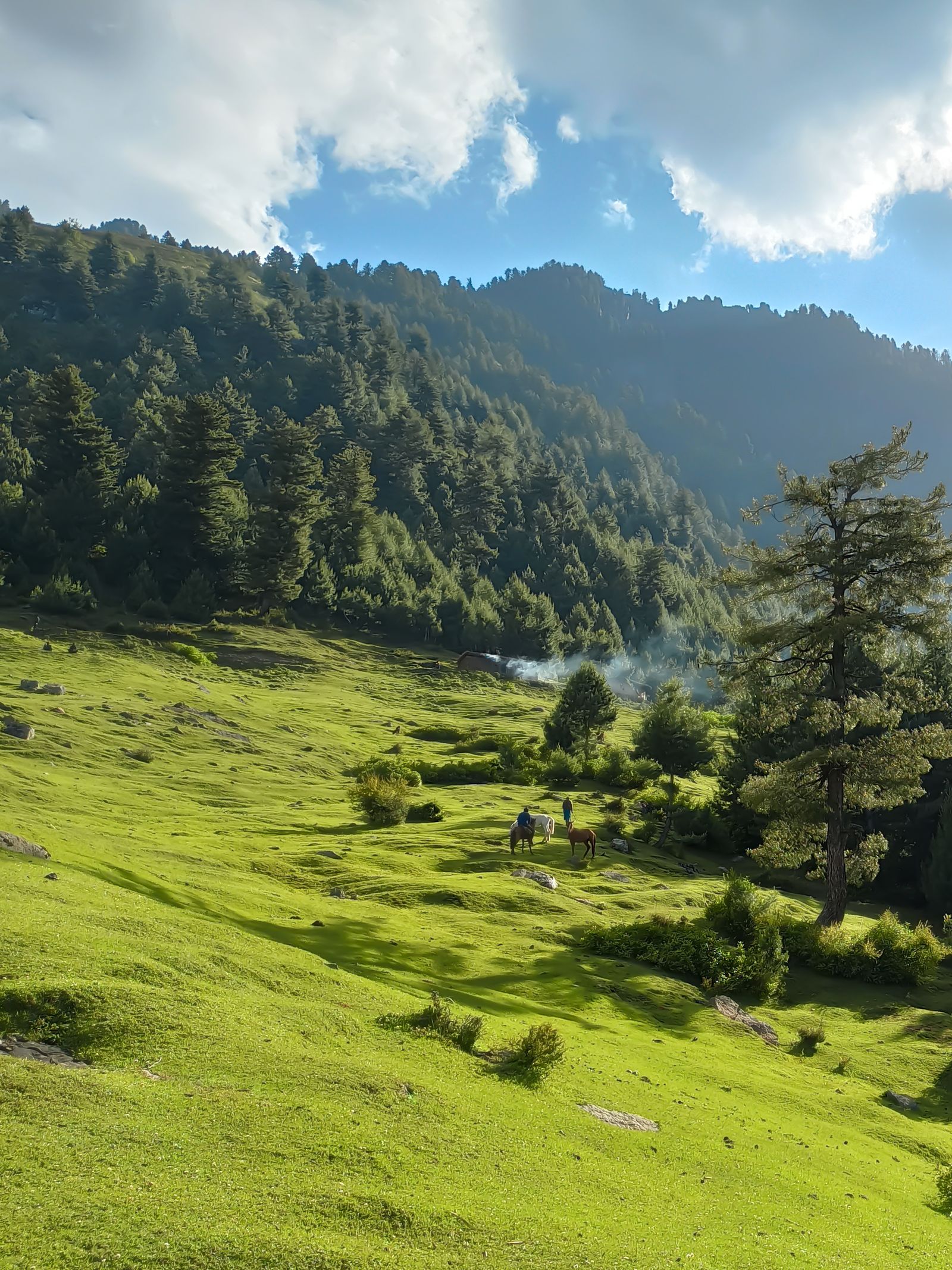
The park covers roughly 159 square kilometres on the valley's edge, rising from around 1,000 metres to the Shivapuri Peak at about 2,732 metres. It is largely covered in pine, oak and rhododendron forest, with the separate forested hill of Nagarjun to the west. The sacred sources of the Bagmati and Bishnumati rivers rise within its boundaries.
Wildlife and scenery
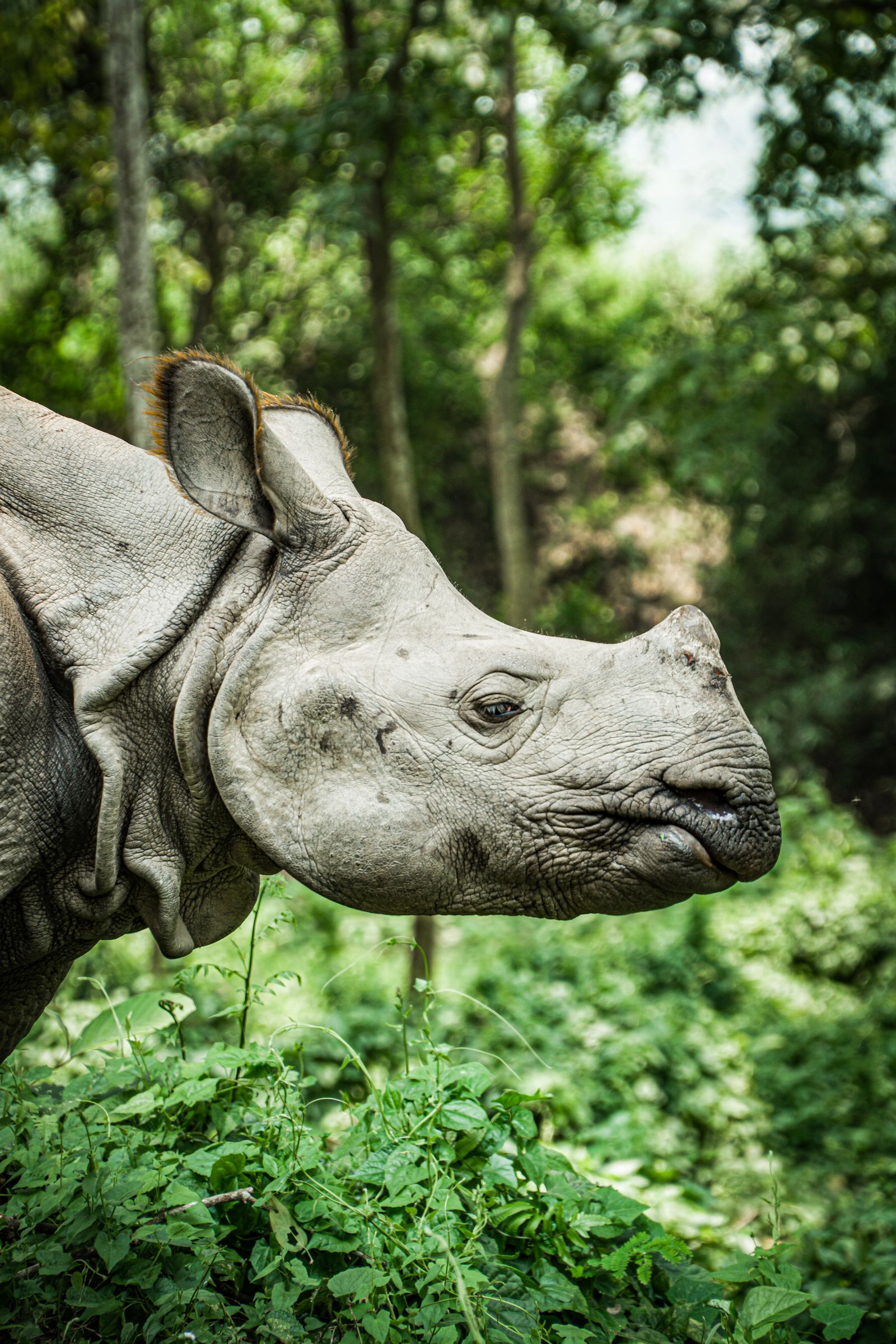
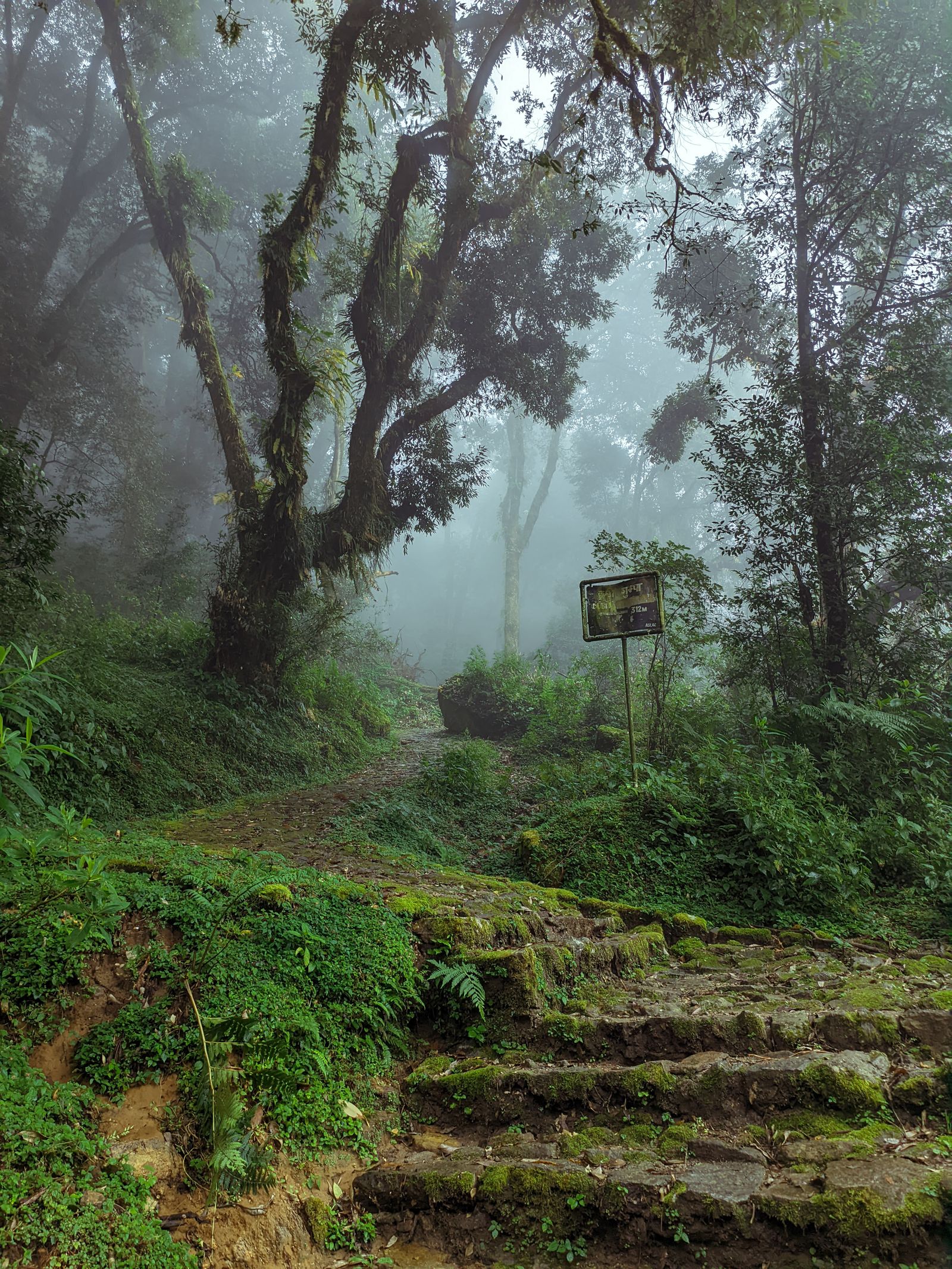
Despite hugging the city, the park supports real wildlife: leopard, jungle cat, barking deer, wild boar, Himalayan goral and grey langur, plus more than 300 bird species and abundant butterflies, making it one of the best easy birdwatching sites in central Nepal. Spotted forktails, sunbirds, woodpeckers and seasonal migrants are all regular sightings for patient walkers. The scenery is gentle but lovely — shaded forest trails dripping with moss in the monsoon, monastery clearings, hilltop viewpoints over the valley and, on clear days, sweeping glimpses of the Ganesh, Langtang and Jugal Himal ranges to the north.
Why visit
It is the perfect half-day or full-day escape from Kathmandu for hikers, birders and anyone needing green air without leaving the valley. Favourite walks climb to Shivapuri Peak, the meditation monastery of Nagi Gompa, the Bagdwar source of the Bagmati, and through the Nagarjun forest to the hilltop Jamacho stupa with its valley panorama. The park also makes a gentle acclimatisation or warm-up walk before a bigger Himalayan trek, and its quiet trails are popular with trail runners and weekend families from the city.
How to get there
Trailheads are short taxi rides from the city: Budhanilkantha for the main Shivapuri entrance, and the Nagarjun (Mudkhu) gate on the Trisuli road for the western forest. No internal transport is needed beyond the gates — everything is explored on foot.
Best time to visit
Autumn (October to November) and spring (March to April) are ideal, with clear skies and, in spring, blooming rhododendrons. The park is walkable year-round, though the monsoon (June to September) brings mud, leeches and limited views, and winter mornings can be cold and frosty.
Permits and fees
A national park entry fee is paid at the gates, with the highest rate for foreign visitors and lower rates for SAARC and Nepali nationals. Carry cash and your passport. The trails are well marked, and licensed guides can be arranged for birdwatching or longer routes.
Conservation note
As Kathmandu's protective forest belt, the park safeguards watersheds that supply the valley's drinking water, so its conservation is directly tied to the city's wellbeing. Urban pressure, encroachment and litter are ongoing threats. Visitors help simply by sticking to trails, carrying out their rubbish and supporting the park through entry fees and local guides.
Shivapuri Nagarjun is the wild edge of the capital. Compare it with the higher Langtang National Park further north, the lowland buffer of Parsa National Park, or browse the full national parks of Nepal collection.
Frequently asked questions
Where is Shivapuri Nagarjun National Park?+
Shivapuri Nagarjun National Park forms the forested green belt on the northern and western edges of the Kathmandu Valley. Its trailheads are easily reached from the city, making it the most accessible national park in Nepal.
What can you do in Shivapuri Nagarjun National Park?+
It is best for day hiking, birdwatching and nature walks. Popular routes climb to Shivapuri Peak, the Nagi Gompa monastery, Nagarjun forest and viewpoints over the valley, with the sacred sources of the Bagmati and Bishnumati rivers inside the park.
What wildlife lives in Shivapuri Nagarjun?+
The park shelters leopard, jungle cat, barking deer, wild boar, Himalayan goral and grey langur, plus more than three hundred bird species and many butterflies. It is one of the best easy birdwatching sites near Kathmandu.
Is there an entry fee for Shivapuri Nagarjun National Park?+
Yes. There is a national park entry fee paid at the gates, with the highest rate for foreign visitors and lower rates for SAARC and Nepali nationals. Carry cash and your passport for the entrance checkpoints.
How do you get to Shivapuri Nagarjun National Park?+
Trailheads such as Budhanilkantha (for Shivapuri) and the Nagarjun gate on the Trisuli road are short taxi rides from central Kathmandu. The park is ideal as a half-day or full-day escape from the city.