Wildlife · Khaptad
Khaptad Wildlife and Birds
Pheasants, leopard, black bear and barking deer across the meadows and forest — a guide to Khaptad's wildlife.
Khaptad is a place of subtle, quiet wildlife rather than big-game spectacle — a plateau of oak, fir and rhododendron forest and open patan meadows that shelters leopard, Himalayan black bear, barking deer and more than 200 bird species. For travellers willing to walk slowly and watch patiently, it is one of the most rewarding birding and nature destinations in far-western Nepal. This guide covers what lives on the plateau and how to find it on a trip to Khaptad.
Mammals of the plateau
Khaptad's forests and meadows hold leopard, Himalayan black bear, barking deer, wild boar, ghoral and musk deer, along with smaller mammals. Big cats and bears are shy and rarely seen, but the deer and ghoral browse the forest fringes of the rhododendron meadows and grasslands, especially in the quiet of early morning and dusk. This is a park to experience as an ecosystem — the slow walking and the stillness are the reward, more than guaranteed sightings.
Birds and pheasants
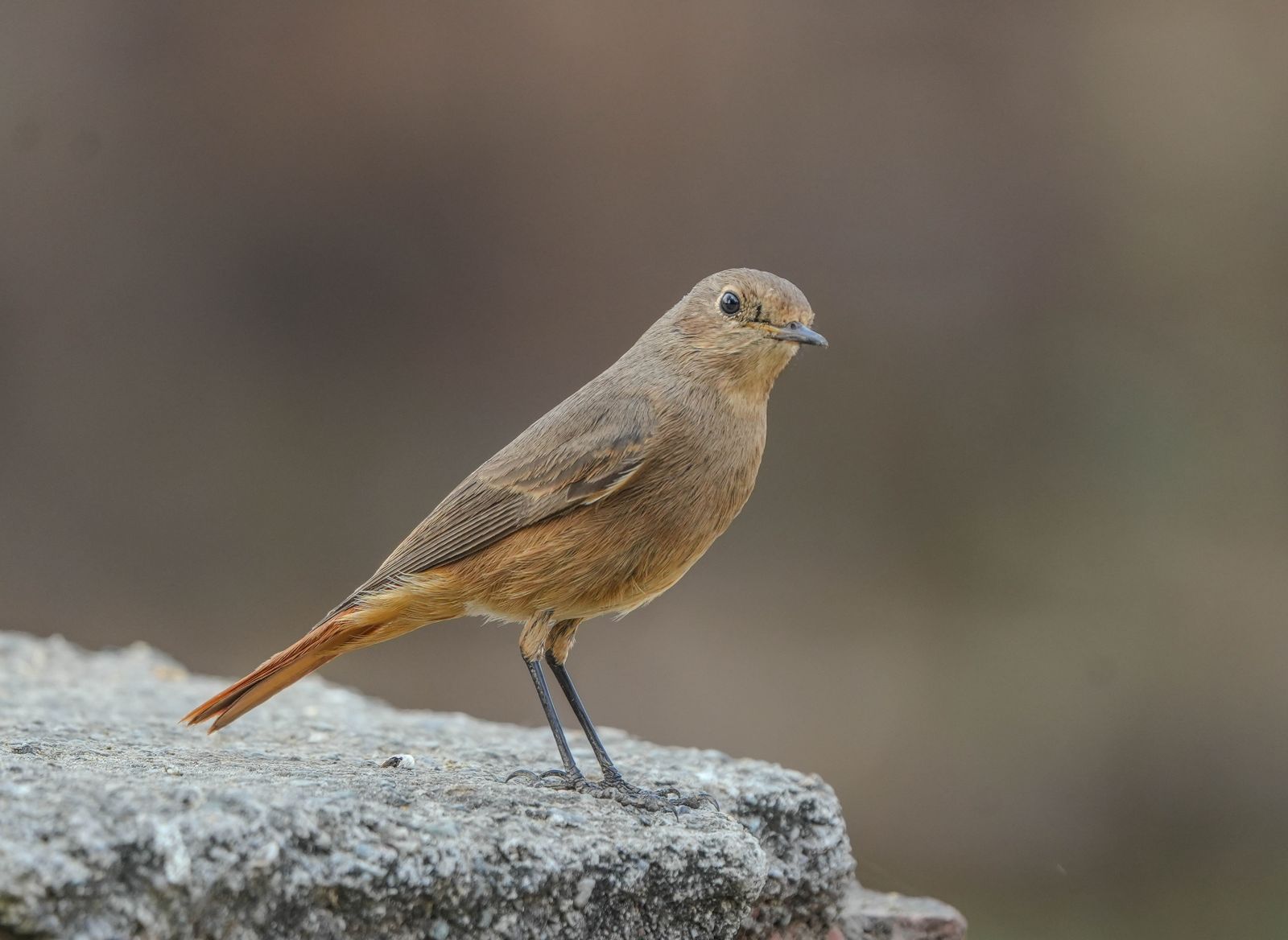
The real draw for many is the birdlife. The plateau's mix of forest and meadow supports over 200 species, and Khaptad is a fine place to look for Himalayan pheasants — the brilliant Himalayan monal (danphe), Nepal's national bird, and the kalij pheasant among them — particularly in the rhododendron forest at the meadow edges. Spring brings the forest to life with song and the meadows alive with butterflies, making it the best season for birding. See birdwatching in Nepal for the national picture.
Where and how to look
Walk the forest fringes of the patan meadows and the edges of Khaptad Lake early in the day, moving slowly and quietly. A local guide who knows the bird calls and the animals' habits sharply improves your chances and helps with the faint plateau trails. Carry binoculars, dress in muted colours and give wildlife plenty of space. Combine wildlife walks with the meadows and shrines for a full, gentle day — see the top things to do in Khaptad.
Good to know
- Best time: Spring for birds, butterflies and bloom; early mornings year-round for mammals and pheasants.
- Respect: Keep your distance, stay quiet, do not feed wildlife and carry out all litter.
- Wider context: Read birdwatching in Nepal and the national Khaptad National Park guide for the full ecology.
Frequently asked questions
What wildlife lives in Khaptad National Park?+
Khaptad shelters leopard, Himalayan black bear, barking deer, wild boar, ghoral and musk deer, along with smaller mammals and over 200 bird species. It is a subtle, forest-and-meadow ecosystem rather than a big-game park, best for birds, butterflies and quiet sightings.
Is Khaptad good for birdwatching?+
Yes. The plateau's mix of oak, fir and rhododendron forest and open patan meadows supports a rich birdlife of more than 200 species, including pheasants such as the Himalayan monal and kalij. Quiet early walks through the forest fringes give the best chances.
Can you see pheasants at Khaptad?+
Khaptad is a good place to look for Himalayan pheasants, including the colourful Himalayan monal (danphe) and kalij pheasant, especially in the rhododendron forest at the meadow edges in early morning. Sightings reward patience and a quiet, slow approach.
When is the best time for wildlife at Khaptad?+
Spring is best for birds, butterflies and wildflowers, when the meadows bloom and the forest is most active. Autumn offers clear conditions and good walking. Early mornings, year-round, are the most productive time for spotting birds and shy mammals.