Things to do · Khaptad
The Top Things to Do in Khaptad
Plateau meadows, the Khaptad Baba Ashram, Tribeni, Sahasra Linga and Khaptad Lake — the best things to do in Khaptad.
Khaptad rewards travellers who slow right down. There is no single blockbuster sight here — the appeal is the whole plateau: open meadows, quiet forest and a scatter of shrines linked by easy walks. Here is how to make the most of a stay on far-western Nepal's most serene highland.
The short answer
Build your days around the Khaptad National Park plateau itself, then visit the spiritual core: the Khaptad Baba Ashram, the sacred Tribeni confluence where three streams meet, and the cluster of stone lingas at Sahasra Linga. Set aside a gentle morning for the reedy Khaptad Lake, and time your trip for the rhododendron meadows and grasslands in spring. For the bigger picture, see how this fits among the national parks of Nepal and the country's spiritual sites and pilgrimages.
The meadows and forest
The heart of any visit is simply walking the patans — the broad grassy meadows that roll across the Khaptad plateau between stands of oak, fir and rhododendron. Paths are gentle and the distances short, so you can wander between viewpoints, springs and shrines over a few easy days. In late spring the rhododendron and wildflower meadows are at their most spectacular, and the forest fringes are alive with birdsong — see Khaptad wildlife and birds for what to look for.
The spiritual core
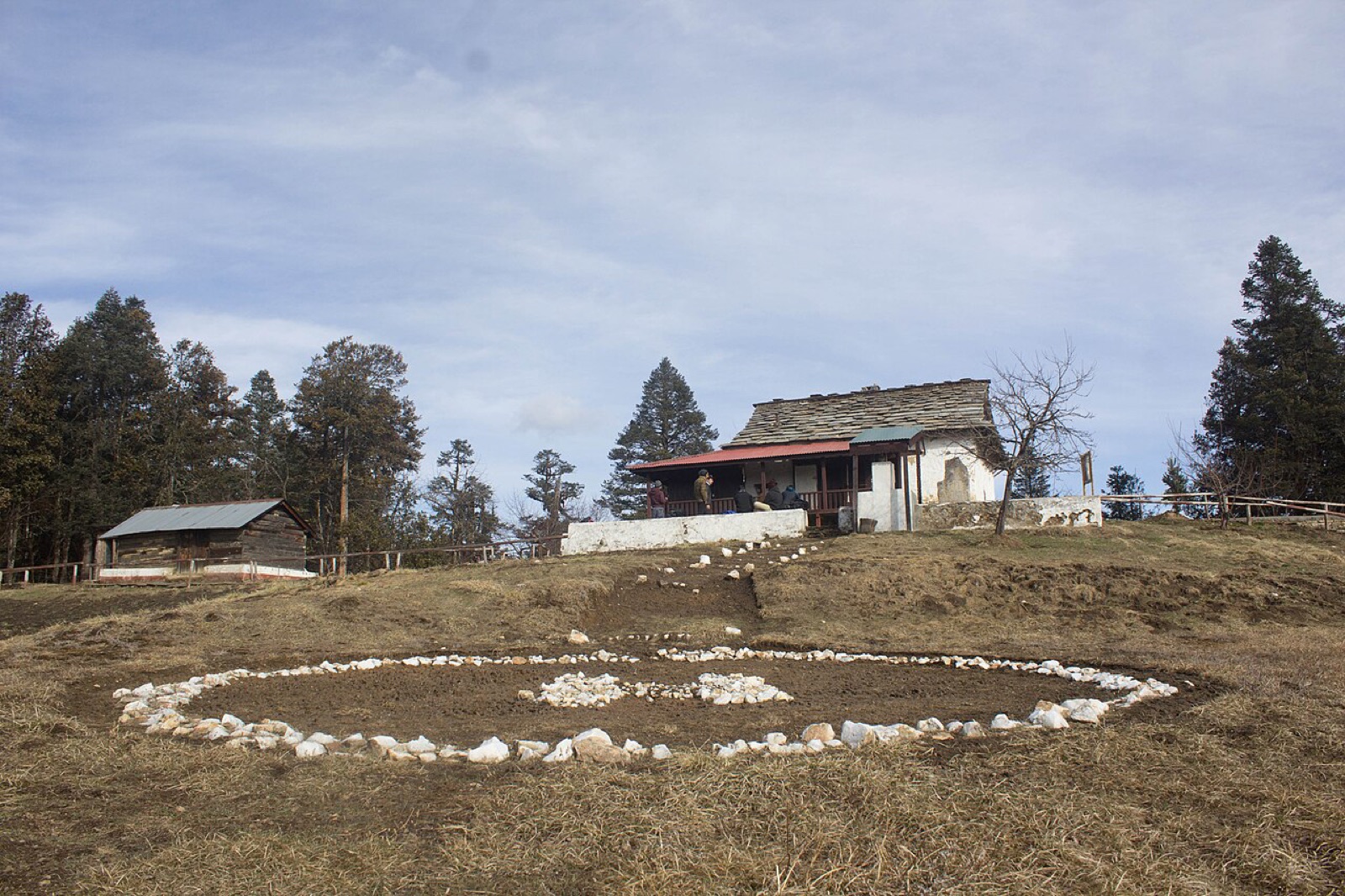
Khaptad's shrines are what set it apart. The Khaptad Baba Ashram, home of the sage who meditated here for decades, sits at the centre of the plateau. From it short walks reach the Tribeni confluence, a sacred meeting of streams that draws pilgrims at the full-moon festival, and the Sahasra Linga, a high point studded with small Shiva lingas. Together they make Khaptad a place of quiet pilgrimage as much as a national park — explored in full in our Khaptad pilgrimage sites collection.
Lake and viewpoints
A short, level walk leads to the small, reedy Khaptad Lake, peaceful and often mist-wrapped at dawn. From the plateau's edges, ridge viewpoints open onto distant Himalayan peaks on clear days — autumn after the monsoon is best for these long views.
Good to know
- Guides and fees: A national park entry fee applies, and a local guide is easy to arrange near Silgadhi — see how to get to Khaptad.
- Season: Spring for wildflowers and autumn for clear skies; check the best time to visit Khaptad before booking.
- Altitude: The plateau sits around 3,000m, so walk steadily, carry warm layers and allow time to acclimatise. Base yourself using where to stay in Khaptad.
Our top picks

Frequently asked questions
What are the best things to do in Khaptad?+
The headline experiences are walking the open patan meadows of the plateau, visiting the Khaptad Baba Ashram, the sacred Tribeni confluence and the Sahasra Linga, strolling to the small Khaptad Lake, and catching the spring rhododendron and wildflowers in the grasslands.
Is Khaptad good for walking?+
Yes. Khaptad is one of Nepal's gentlest highlands — rolling meadows and forest paths on a broad plateau rather than steep climbs. Once you are up top, most sights are connected by easy day walks of a few hours, ideal for unhurried exploring.
How many days do you need to see the main sights at Khaptad?+
Two to three full days on the plateau let you visit the ashram, Tribeni, Sahasra Linga, the lake and the best meadows without rushing, in addition to the one to two days it takes to trek up and a day back down.
Do you need a guide in Khaptad?+
A local guide is strongly recommended. The plateau is remote, trails across the meadows can be faint, facilities are minimal and the approach from the trailhead is long, so a guide adds safety, navigation and local knowledge of the shrines.