Wildlife · Nepal
Snakes of Nepal
King cobra, cobras, kraits, vipers and pythons — Nepal's notable snakes, where they live, and how to stay bite-safe.
Nepal is home to dozens of snake species, but the picture for travellers is reassuring: the great majority are non-venomous, and almost all the dangerous snakes live in the warm lowland Terai, not on the cool mountain trails where most trekking happens. This guide covers the notable species — the king cobra, Indian cobra, kraits, vipers and pythons — where they live, and how to stay bite-safe.
The notable species
- King cobra (Ophiophagus hannah) — the world's longest venomous snake, reaching several metres, living in lowland and lower-hill forest. It feeds largely on other snakes, is shy and avoids people; bites are very rare but serious.
- Indian (spectacled) cobra (Naja naja) — the classic hooded cobra of the Terai and lower hills, with the familiar spectacle mark on the hood. One of the medically important species.
- Kraits (Bungarus species, including the common krait) — slender, banded, nocturnal snakes with potent venom. They are among the most dangerous because they are active at night and bites can be nearly painless, so victims may not realise they need urgent care.
- Vipers — Russell's viper and the saw-scaled viper inhabit the Terai's fields and scrub, while green pit vipers occur in the hills. Vipers cause a large share of serious bites in farming areas.
- Pythons — the Indian and Burmese pythons are large, non-venomous constrictors found in Terai grasslands and wetlands, including parks like Chitwan. They are harmless to people.
The four medically most important snakes — the spectacled cobra, common krait, Russell's viper and saw-scaled viper — are the same "big four" that dominate snakebite across South Asia.
Snakes in Nepal's mountains
Altitude is the traveller's friend here. Snake diversity thins out rapidly as the land climbs: the dangerous lowland species stay in the warm Terai and lower valleys, and only a few hardy species — most notably the green pit vipers of the mid-hills — range higher. Above roughly 3,000 metres it is simply too cold, so the classic high trekking country of the Everest, Annapurna and Langtang regions is effectively snake-free. If you do walk through warm forest and terraced farmland on the approach days, normal precautions (boots, a torch at night, watching where you place hands and feet) are all that's needed.
Where snakes live in Nepal
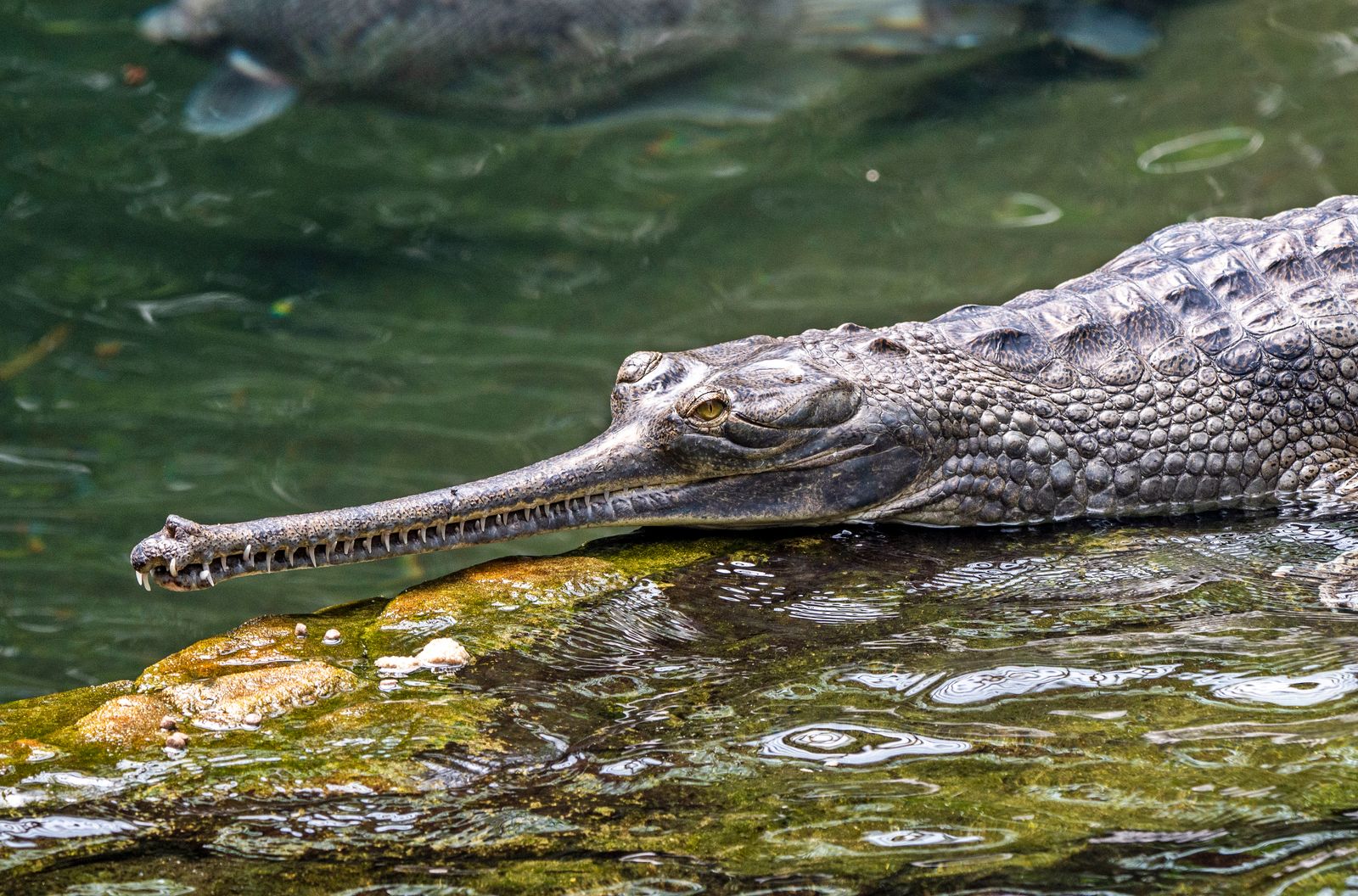
Snakes are concentrated in the hot, humid Terai lowlands below roughly 1,500m, where the climate suits cold-blooded reptiles year-round. This is also where they overlap most with people, in farmland, villages and the buffer zones around lowland parks. The lower hills hold fewer species, including some pit vipers, and snakes become scarce as you climb. By the time you reach the mid- and high-altitude trekking elevations, it is generally too cold for venomous snakes, which is why trekkers on routes like Everest and Annapurna rarely see them. Pythons and many harmless species share the same Terai wetlands and grasslands as the gharial crocodile and the wider wildlife of Nepal.
Snakebite safety for trekkers and travellers
Most bites in Nepal happen to farmers and rural lowland residents during and after the monsoon (roughly June to September), when flooding pushes snakes and people together and many people sleep on the ground. For travellers the risk is low, but a few sensible habits cut it further:
- Watch your feet and hands in the lowlands — wear closed shoes and use a torch at night, and don't reach into holes, woodpiles or long grass.
- Sleep off the floor under a tucked-in net in rural Terai areas; this is the main defence against night-active kraits.
- Don't handle or provoke snakes, even ones that look dead, and give any snake a wide berth.
If a bite does happen: stay calm, immobilise the limb and keep it below heart level, remove rings and tight clothing, and get to a hospital with antivenom as quickly as possible. Do not cut, suck, apply ice or a tight tourniquet, or try to capture the snake. In the Terai, district hospitals and dedicated snakebite treatment centres stock polyvalent antivenom; availability and exact costs vary, so check the nearest facility and your cover in advance (see health and vaccinations for Nepal and the practical trekking safety guide).
A misunderstood part of Nepal's wildlife
Snakes are vital predators that keep rodent and pest numbers in check, yet fear and habitat loss put many under pressure, and several species feature among Nepal's threatened reptiles. The best approach is simple respect: keep your distance, never kill or trade snakes, and support the conservation work that protects them alongside Nepal's better-known species. To see where snakes fit among the country's flagship and at-risk animals, explore the wildlife of Nepal collection and the endangered and iconic wildlife of Nepal overview.
Frequently asked questions
Are snakes a danger to trekkers in Nepal?+
Rarely. Most of Nepal's snakes, and almost all medically important ones, live in the warm lowland Terai below about 1,500m. On the popular mid- and high-altitude trekking routes you are very unlikely to meet a venomous snake, as it is simply too cold for them. The real risk is in the lowlands, especially during and after the monsoon.
What are the most dangerous snakes in Nepal?+
The medically important species are the spectacled (Indian) cobra, the common krait, Russell's viper and the saw-scaled viper, all found in the Terai. The king cobra is highly venomous but shy and rarely encountered. Kraits are especially dangerous because they are active at night and may enter homes where people sleep on the floor.
Does Nepal have king cobras?+
Yes. The king cobra, the world's longest venomous snake, lives in the forested lowland Terai and lower hill forests, including around parks like Chitwan and Bardia. It feeds mainly on other snakes, is shy and avoids people, so sightings are uncommon and bites very rare.
What should I do if bitten by a snake in Nepal?+
Stay calm, keep the bitten limb still and below heart level, remove rings or tight items, and get to a hospital with antivenom as fast as possible. Do not cut, suck, apply a tight tourniquet or try to catch the snake. In the Terai, district hospitals and snakebite treatment centres stock polyvalent antivenom; check the nearest facility in advance.