Wildlife · Nepal
Spiny Babbler, Nepal's Only Endemic Bird
Nepal's only endemic bird — how to identify and find the skulking spiny babbler on scrubby mid-hill slopes.
The spiny babbler (Turdoides nipalensis) is Nepal's only endemic bird — a species found nowhere else on Earth — which makes it one of the most prized ticks for any birder visiting the country. A skulking, medium-sized brown babbler of dry scrub and bushy hillsides in the mid hills, it is usually heard long before it is seen. This guide covers how to identify it, where to find it and when to go, and sits within the wider birdwatching in Nepal collection.
Identification
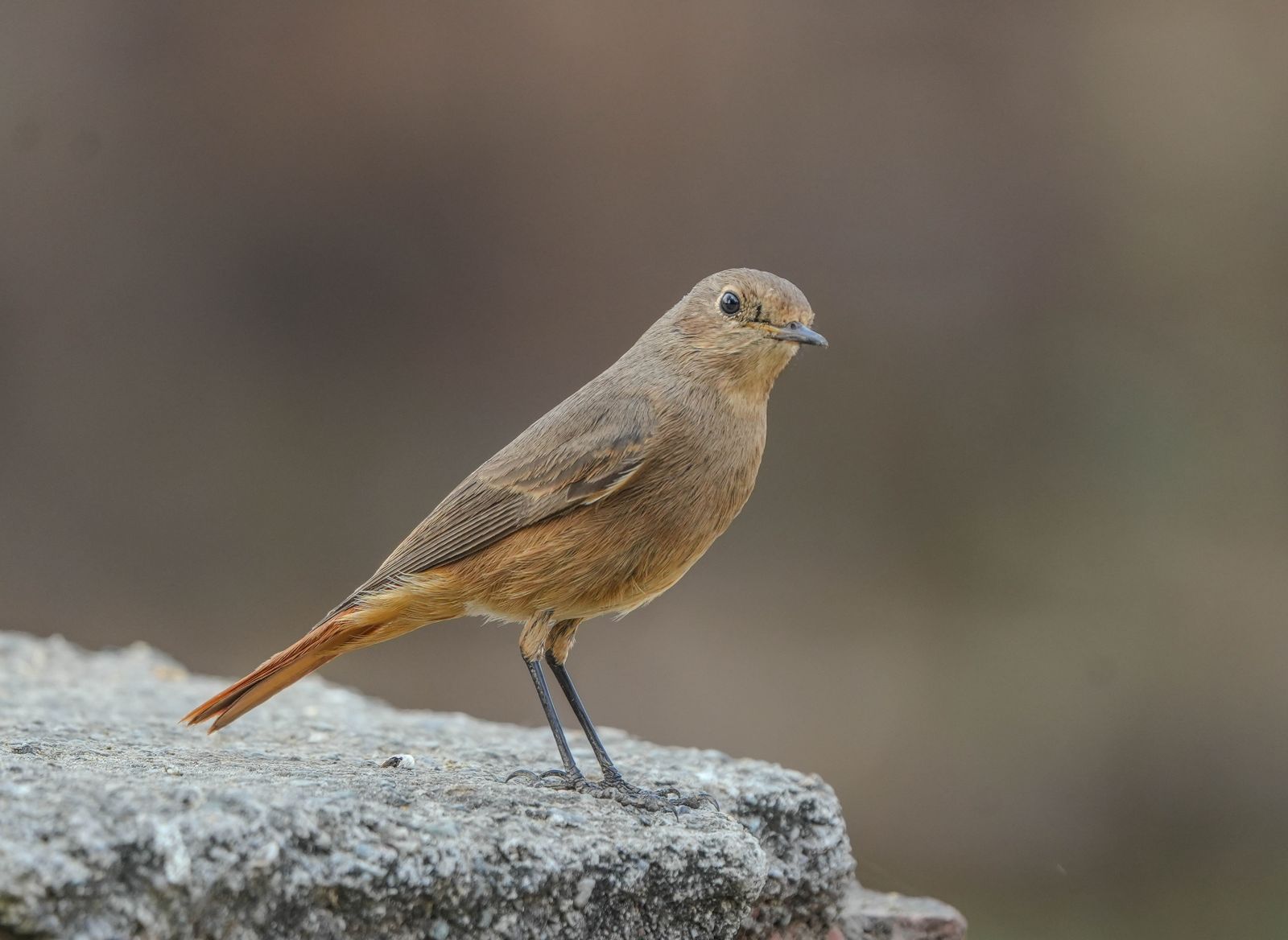
The spiny babbler is a slim, long-tailed brown bird with a streaked breast and throat, a slightly down-curved bill and a pale eye that stands out against the plain face. Its name comes from the stiff, spiny-tipped feather shafts on the underparts, visible at close range. There is no bright colour to help you — separation from other brown skulkers comes down to the heavy streaking, the long tail and, above all, the distinctive song.
Where to find it
The species favours dry scrub, bushy hillsides and degraded forest edge in the mid hills, roughly between 900 and 2,100 metres, often on south-facing slopes left open by grazing and cutting. The classic, accessible site is the forested hill of Phulchowki and the slopes around the Kathmandu Valley rim, particularly the lower scrub near Godawari. The bird ranges across Nepal's mid hills from west to east, almost always in the same kind of low, tangled cover.
Calls and behaviour
The spiny babbler is far easier to hear than to see. It delivers a loud, rich, babbling song and a range of harsh chattering calls from deep within a bush, and birds often answer one another across a hillside. They forage low, hopping through dense scrub and along the ground in search of insects, berries and seeds, and they rarely sit in the open for long. Patience near a calling bird, rather than chasing it, usually earns the best view.
Best season and tactics
Spring (March to May) is the prime season, when the birds are most vocal and territorial, making them easier to pin down. Start at first light, when calling and feeding are at their peak, before the birds fall quiet in the midday heat. Learn the song in advance, scan low in the scrub, and wait quietly at the edge of a calling thicket. Pair this endemic with Nepal's national danphe and the wetland flocks of Koshi Tappu for a classic Nepal birding triple.
Conservation status
The spiny babbler is listed as Least Concern on the IUCN Red List and is reasonably common within its limited range, partly because it tolerates — and even favours — the scrubby, human-modified hillsides that are widespread in the mid hills. As an endemic, however, its entire world population lives in Nepal, so it remains a national conservation responsibility. See it in the context of the country's broader fauna in the wildlife of Nepal collection, and plan your visit with the best time to visit Nepal guide.
Frequently asked questions
What is Nepal's only endemic bird?+
Nepal's only endemic bird is the spiny babbler (Turdoides nipalensis), a medium-sized brown babbler found nowhere else on Earth. It lives on scrubby mid-hill slopes and is one of the most sought-after ticks for birders visiting the country.
How do you identify a spiny babbler?+
The spiny babbler is a slim, long-tailed brown bird with a streaked breast, a slightly curved bill and a pale eye. It is named for the stiff, spiny-tipped feathers on its underparts. It is usually heard before seen, skulking low in dense bushes and dry scrub.
Where can you see the spiny babbler in Nepal?+
It favours dry scrub, bushy hillsides and degraded forest edge in the mid hills, roughly between 900 and 2,100 metres. The forested hill of Phulchowki and the slopes around the Kathmandu Valley rim, including Godawari, are classic, accessible places to find it.
When is the best time to find a spiny babbler?+
Spring (March to May) is best, when the birds are most vocal and easier to locate by their loud, babbling song. Early morning is the prime time, as the birds call and forage actively before going quiet in the heat of the day.