Travel tips · Pokhara
The Best Time to Visit Pokhara
Autumn is clearest, spring is mild and lush, winter is quiet, and the monsoon is green but cloudy.
Pokhara is a year-round destination, but the experience changes with the seasons — especially the all-important views of the Annapurna range. Here is how to time your trip for clear mountains, good flying weather and the atmosphere you want.
The short answer
Visit in autumn (October to November) for the clearest skies and sharpest mountain views, or spring (March to April) for mild, lush conditions and blooming hillsides. Winter is quiet, dry and often crystal clear in the mornings, while the monsoon (June to September) is green and cheap but cloudy. If you are coming for Sarangkot sunrises or paragliding, favour autumn or spring.
Autumn (October to November)
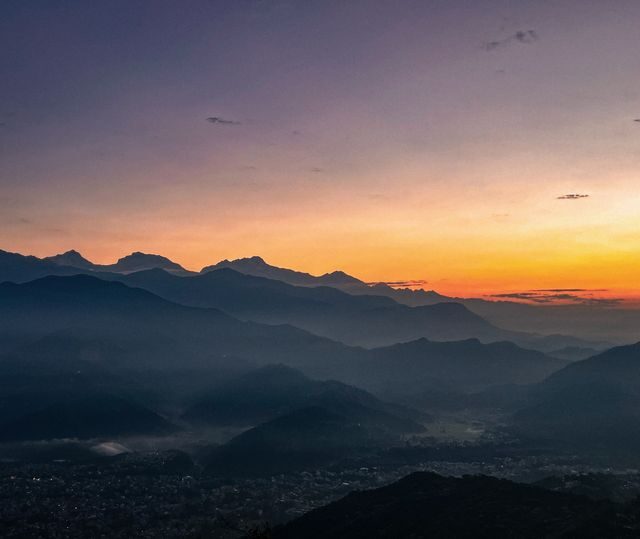
This is Pokhara's prime season. The monsoon has washed the air clean, leaving crisp, stable weather and the year's best views of the Annapurnas and Machhapuchhre. Sunrises at Sarangkot and Pumdikot are reliably clear, paragliding flies on most days, and the lake is at its most photogenic. The trade-off is crowds and higher prices, as this is also peak trekking season for the Annapurna region — so book accommodation early.
Spring (March to April)
The second prime window. Days are warm and the hills bloom with rhododendrons, while mountain views remain good though slightly hazier than autumn as the season warms. It is an excellent time for paragliding, boating and the southern caves and falls, with fewer crowds than October at the start of the season.
Winter (December to February)
Pokhara's low elevation keeps winter mild — sunny, dry days and cool nights, with rare frosts in the city. Mornings are frequently crystal clear, making this an underrated time for mountain views and a peaceful, low-season feel. Pack a warm layer for a chilly pre-dawn start at Sarangkot, but expect comfortable daytime sightseeing.
Monsoon (June to September)
The rains bring lush green hills, full waterfalls and the lowest prices of the year, but also cloud that often hides the peaks and limits paragliding. It is the best time to lean into indoor and weather-proof sights: the International Mountain Museum, Gupteshwor Mahadev Cave and a powerful, post-rain Davis Falls. Mornings can still clear briefly, so keep your camera handy.
At a glance
| Season | Months | Best for |
|---|---|---|
| Autumn | Oct–Nov | Clearest views, paragliding, peak season |
| Winter | Dec–Feb | Quiet, dry, clear mornings |
| Spring | Mar–Apr | Mild, lush, good flying |
| Monsoon | Jun–Sep | Green hills, low prices, indoor sights |
Once you have picked your dates, plan your days with the Pokhara itinerary and the top things to do in Pokhara, or browse the Pokhara hub.
Frequently asked questions
What is the best month to visit Pokhara?+
October is the single best month. The monsoon has cleared, the air is crisp, and the Annapurna range and Machhapuchhre are at their sharpest — ideal for Sarangkot sunrises and paragliding. It is also busy and pricier, so book ahead.
When can you see the mountains clearly from Pokhara?+
Autumn (October to November) and spring (March to April) offer the most reliable clear views of the Annapurnas from Sarangkot, the Peace Pagoda and Pumdikot. Winter mornings are also often crystal clear, while the monsoon usually hides the peaks behind cloud.
Is the monsoon a bad time to visit Pokhara?+
It is the wettest and cloudiest season, so mountain views are unreliable and paragliding is limited, but the valley turns lush green, prices drop and crowds thin. Indoor sights like the Mountain Museum and the caves still work well.
What is the best season for paragliding in Pokhara?+
Autumn and spring give the most stable flying weather and the clearest views. Flights generally pause or become unreliable during the heavy rains of the monsoon.
How cold does Pokhara get in winter?+
Pokhara sits at a low elevation, so winter is mild compared with the mountains — crisp, sunny days and cool nights. It rarely freezes in the city, though dawn at Sarangkot can feel cold, so bring a warm layer.