Adventure · Pokhara
Paragliding in Pokhara
Launch off Sarangkot for a tandem flight over Phewa Lake with the Annapurnas behind you.
- Rating
- ★ 4.8 (6400)
- Price
- $$$
- Address
- Sarangkot launch, Pokhara 33700
Tandem paragliding is Pokhara's signature adventure. You launch from Sarangkot, ride the thermals over Phewa Lake, and float with the Annapurnas filling the horizon — no experience needed, just a strapped-in seat behind a licensed pilot.
What a flight is like
You are buckled into a padded harness in front of your pilot and clipped to the same wing. The launch is a short run down the slope at Sarangkot until the canopy fills and lifts you off — it takes seconds, with no jump or drop. Once airborne you sit back and take in the view. A standard tandem lasts around 25–30 minutes, riding ridge lift and thermals before spiralling down to a landing field near the lakeshore. Most pilots carry a GoPro on a pole to film you mid-air, and many will hand you the brakes for a moment so you can feel how the wing turns.
Types of flight
The standard tandem is what most visitors take. If you want more, ask about an acro or "adventure" add-on, where the pilot throws in spins, wingovers and steep spirals — a lot more intense, and not for queasy stomachs. Cross-country and longer thermal flights are offered for those chasing more air time and altitude, and they cost more than the standard trip. Pokhara is also a place people come to learn to fly properly, so full pilot courses run here too if the bug bites.
Getting to the launch
Most people reach Pokhara by road or the short domestic flight from Kathmandu, then base themselves around Lakeside. Operators almost always include the transfer up to Sarangkot in the price, collecting you by jeep from their office or your hotel — the road up is steep and winding, so it is far easier than sorting your own ride. Book the day before, or earlier in peak season, and confirm exactly what your fee covers: flight time, video and transport.
Best time to fly
The clear, stable months from October to April give the best flying and the sharpest mountain views; the monsoon, roughly June to September, is usually grounded. Morning flights tend to be calmer with softer air and lovely light, while late-morning and midday slots catch stronger thermals that carry you higher for longer. Whatever the season, wear closed shoes you can run in, bring a light layer as it is cooler aloft, and leave loose items behind. Sunglasses help, and skip a heavy breakfast if you are prone to motion sickness.
Safety and booking
Pokhara is one of the world's busiest tandem sites, and the commercial pilots here fly daily through the season. Flights only go ahead in suitable weather, so a rescheduled slot is reassuring rather than a nuisance — never push a pilot to fly in gusty or unsettled air. Choose a licensed operator with recent reviews, check that a reserve parachute is part of the kit, and ask about weight limits when you book, as very light or heavy passengers may need a particular wing.
Make a morning of it
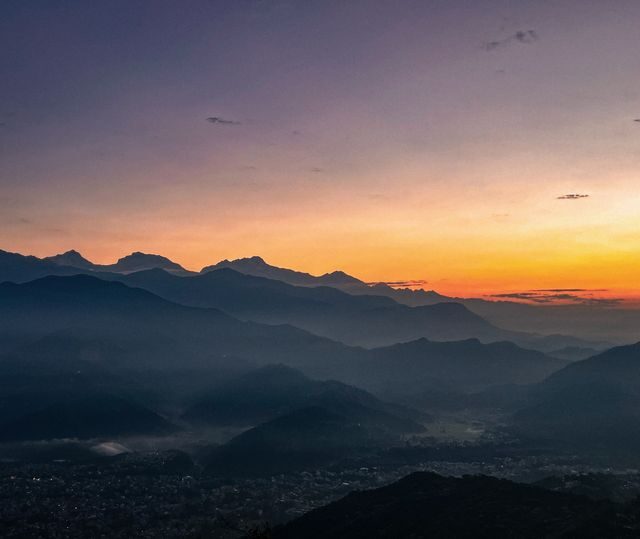
Because both share the same hilltop, pair your flight with sunrise at Sarangkot, then drop back down to Lakeside for a late breakfast. A gentle boat trip on Phewa Lake is an easy way to fill the afternoon, and Pokhara has plenty of other adventure sports if one flight leaves you wanting more — or zoom out to the full menu of adventure sports in Nepal.
Featured in
More adventure in Pokhara


Frequently asked questions
How much does paragliding in Pokhara cost?+
A standard tandem flight typically costs around US$70–90, usually including a 25–30 minute flight, photos/video and transport to the Sarangkot launch. Cross-country and acro flights cost more.
Is paragliding in Pokhara safe?+
Pokhara is one of the world's most popular tandem paragliding destinations with experienced commercial pilots. Choose a licensed operator, check reviews, and fly in good weather for the safest experience.
When is the best time for paragliding in Pokhara?+
October to April offers the most stable conditions and clearest views. Flights run in the morning and late afternoon when thermals are favourable; the monsoon months are usually grounded.