Boating · Pokhara
Boating on Phewa Lake
Hire a colourful wooden boat to the island temple — calmest and prettiest at sunrise.
- Rating
- ★ 4.7 (5200)
- Price
- $
- Address
- Lakeside, Phewa Lake, Pokhara 33700
A boat trip on Phewa Lake is the quintessential Pokhara experience. You can row yourself or hire a boatman, paddle out to the Tal Barahi island temple, and — on a clear morning — watch the Annapurna and Machhapuchhre peaks mirror in the water.
A little background
Phewa (sometimes spelt Fewa) is the freshwater lake that gives Pokhara's Lakeside district its name, and one of the best-known lakes in Nepal. Its eastern shore is lined with cafes, guesthouses and boat jetties, while the far side stays green and largely undeveloped, rising towards forested hills. On a still day the Annapurna range and the fishtail summit of Machhapuchhre reflect across the surface — the image that appears on most Pokhara postcards.
At the heart of the lake sits the Tal Barahi temple, a small pagoda-style Hindu shrine on a wooded island. It is dedicated to the goddess Barahi and is one of Pokhara's most important places of worship; pilgrims cross by boat to make offerings, and it is especially busy on Saturdays and during festivals.
Hiring a boat
Boats are hired from the jetties strung along Lakeside. The traditional craft are broad, brightly painted wooden rowing boats, and you can either paddle yourself or pay a little more for a boatman to row for you. Rates are set by the local boat cooperative and posted at the jetties, so there's no need to haggle hard — check the board, agree on how long you want, and put on the life jacket provided. You can usually rent by the hour or arrange a return trip across to the far shore.
What to see and do
- Circle Tal Barahi. Almost every trip stops at the island temple; you can step off, ring the bell and watch the pigeons before rowing on.
- Cross to the pagoda side. Many visitors row to the southern shore, tie up, and climb through the forest to the World Peace Pagoda for a wide view back over the lake and city.
- Chase the reflections. On a calm morning the mountains double in the water — keep the boat still and have a camera ready.
- Try a paddleboard. If rowing feels tame, stand-up paddleboarding is offered from the same stretch of shore.
Best time to go
Head out early morning, when the water is glassy and the mountain reflections are sharpest. Late afternoon brings golden light and popular sunset rows, but the breeze often picks up and ruffles the surface. For the clearest Himalayan views, come in the autumn months after the monsoon — roughly October and November — when the skies are washed clean. During heavy monsoon rain the lake can turn choppy and grey.
Getting there
Phewa Lake is the centre of Lakeside, so if you're staying nearby you can simply walk to the water and pick a jetty. From elsewhere in Pokhara a short taxi ride will drop you at the lakefront. There's no single entrance — jetties run much of the length of the eastern shore.
Nearby
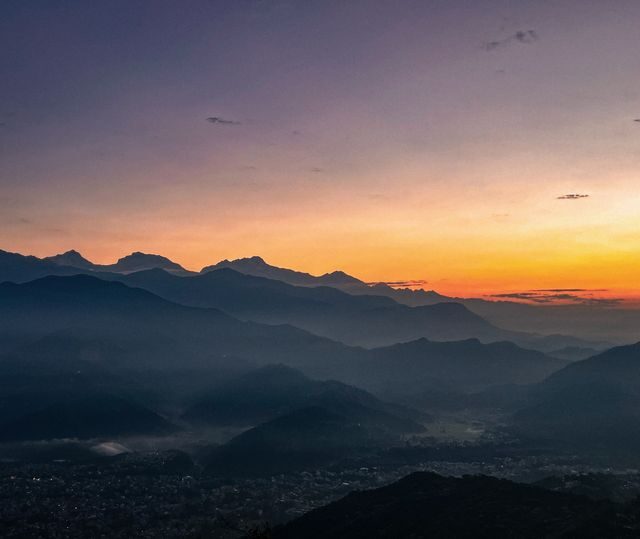
Combine your row with the rest of Lakeside: browse the cafes and restaurants along the strip, or walk up before dawn for Sarangkot sunrise above the lake. The boat, the island temple and the pagoda hike together make an easy half-day out.
Featured in
More boating in Pokhara

Frequently asked questions
How much does it cost to rent a boat on Phewa Lake?+
A self-rowed wooden boat typically costs around NPR 600–800 per hour, while hiring a rower costs a little more. Rates are set by the boat cooperative and posted at the jetties.
What is the temple in the middle of Phewa Lake?+
Tal Barahi is a small two-tiered Hindu temple on an island in Phewa Lake, one of Pokhara's most important shrines. Most boat trips stop there before circling back.