Things to do · Pokhara
The Best Things to Do in Pokhara
Phewa Lake, Sarangkot sunrise, paragliding and the Peace Pagoda — the best things to do.
Pokhara rewards a slow pace, but there's plenty to fill two or three days — from the calm of Phewa Lake to the thrill of a tandem paraglide off Sarangkot. Below we've grouped the city's best experiences by type, so you can balance adventure, boating and food to taste.
The short answer
Don't miss a morning boat on Phewa Lake, sunrise at Sarangkot over the Annapurnas, and the climb to the World Peace Pagoda. If you've got the nerve, tandem paragliding is the standout adventure — then wind down at the Lakeside cafes.
Tap any experience below for full details, timing and tips. Then sort out where to stay with our guide to the best hotels in Pokhara.
On and around Phewa Lake
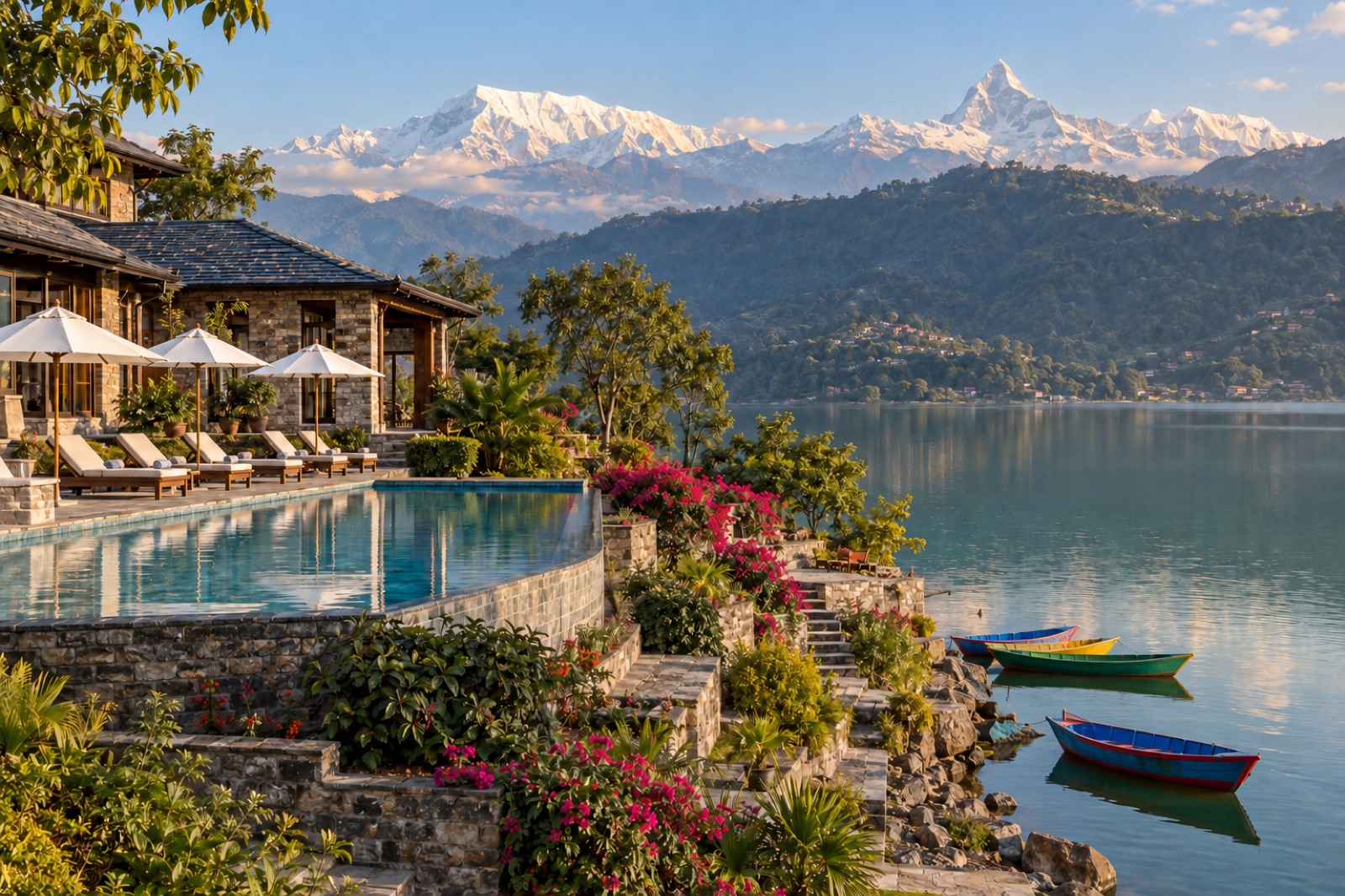
Phewa is the heart of Pokhara, and a slow row across it is the classic way to spend a first morning. You can hire a brightly painted wooden boat by the hour and either paddle yourself or take a boatman, stopping at the small island temple of Tal Barahi mid-lake. Mornings are calmest, with the best chance of seeing Machhapuchhre (Fishtail) mirrored in the water before cloud builds. If you'd rather stay active, stand-up paddleboards are easy to rent along the shore.
Sunrise from Sarangkot
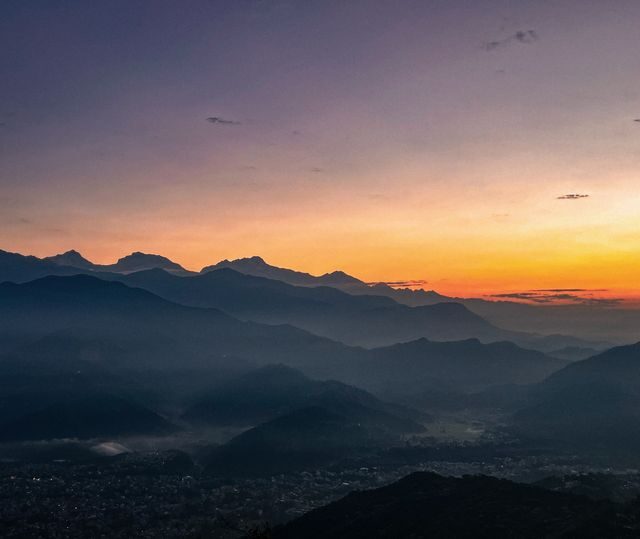
The ridge of Sarangkot sits high above the lake and catches first light on the Annapurna range and Machhapuchhre. Most visitors head up by taxi in the pre-dawn dark, though it's also a walkable hike if you're fit and set off early. Wrap up warm — even in season the mornings are cold before the sun clears the peaks. On clear autumn and spring days the view stretches right along the skyline; in monsoon, expect cloud.
Up to the World Peace Pagoda
The white Peace Pagoda stands on a forested ridge across the lake and gives you Pokhara's best combined view of the water, the town and the mountains behind. The nicest approach is to row across Phewa, then walk up through the woods; you can also reach it by road. Bring water and decent shoes for the climb, and aim for a clear morning or late afternoon.
Adventure in the air and on the water
Pokhara is one of the world's great tandem paragliding spots, launching from Sarangkot and drifting down over the lake — no experience needed, as you fly strapped to a qualified pilot. If flying isn't for you, the valley also offers ultralight flights, zip-lines and rafting nearby. Book the day before and keep plans flexible, since everything airborne depends on the weather. See our full guide to paragliding in Pokhara for how it works.
Caves, falls and the old town
When you want a break from the water, Pokhara's edges hide caves, a river gorge and a couple of waterfalls, while the old bazaar preserves the town's Newari trading past. The International Mountain Museum is a good rainy-day option and a solid primer before or after a trek. These sights are spread out, so a half-day by taxi or scooter ties them together well.
Eating, evenings and planning
Lakeside is where you'll eat and unwind, with a long strip of cafes and restaurants facing the water — perfect for a slow breakfast or a sundowner. Most visitors arrive from Kathmandu by tourist bus or a short domestic flight; see getting from Kathmandu to Pokhara to plan the journey. Give yourself at least two full days to pair one big adventure with the lake, the viewpoints and time to simply sit still.
Popular in Pokhara



Adventure
Boating
Food experiences
What to do
Frequently asked questions
What is Pokhara most famous for?+
Phewa Lake and its reflection of the Annapurna and Machhapuchhre (Fishtail) peaks, plus being the main gateway to Annapurna-region treks. Paragliding off Sarangkot is another signature experience.
Is paragliding in Pokhara worth it?+
For most visitors, yes — Pokhara is one of the world's top tandem paragliding spots, launching from Sarangkot over the lake with mountain views. Flights run in the morning and late afternoon, weather permitting.
What is the best time to visit Pokhara?+
October–November and March–April bring the clearest mountain views and the most reliable paragliding weather. The monsoon (June–September) often clouds the peaks.