Things to do · Pokhara
Chamero (Bat) Cave
A dark limestone cavern near Mahendra Cave, alive with colonies of bats and a famous squeeze exit.
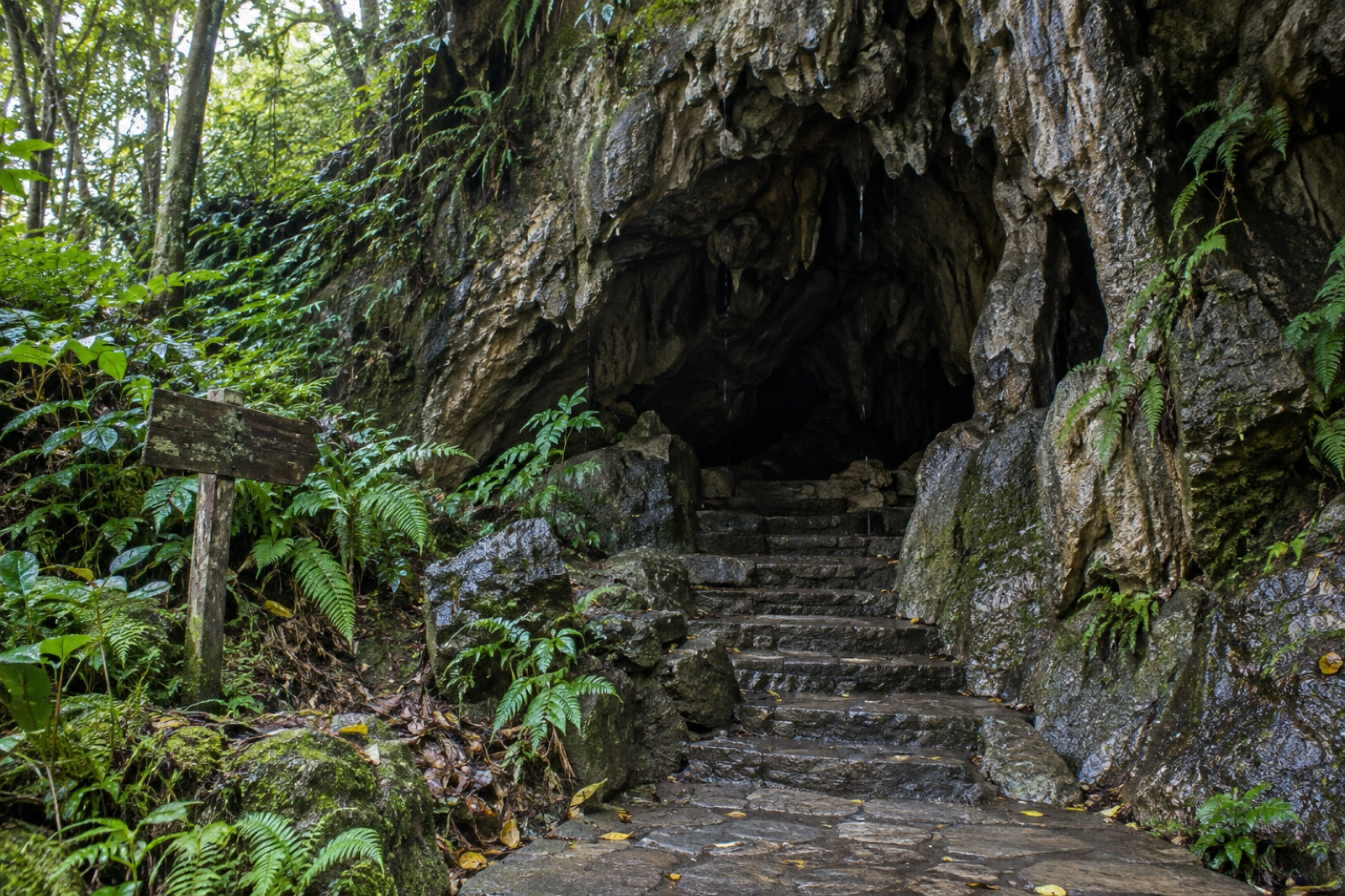
Chamero Gufa — the "Bat Cave" — is the wilder, darker companion to nearby Mahendra Cave on the northern edge of the Pokhara valley. Named for the colonies of bats roosting on its ceilings, it is a short, slightly adventurous limestone cavern almost always visited on the same stop as Mahendra Cave.
Overview
The cave is a natural opening in the same belt of soft limestone that produced Pokhara's other caverns and sinkholes. Its draw is the bats: hundreds of horseshoe and fruit bats cling to the higher, darker reaches of the chamber, and a local helper will usually lead you in with a torch to point them out. The air is cool and damp, the rock blackened in places, and the atmosphere noticeably rawer than the lit walkways of Mahendra Cave next door. Together the two caves give a quick, vivid sense of the karst geology that also shaped Gupteshwor Mahadev Cave on the southern side of the city.
What to see and do
Follow the steps down into the main chamber and let your eyes adjust to the dark before looking up for the roosting bats. The cave's signature feature is its exit: a narrow, low squeeze passage near the back that visitors clamber through to pop out higher on the hillside. It is a genuine tight spot, so anyone who would rather not can usually return the way they came. Keep noise down and avoid flash photography, both to respect the colony and because the bats are part of why people come.
How to visit
Chamero Cave sits right beside Mahendra Cave, about 25 to 35 minutes by taxi north of Lakeside and beyond the old bazaar. It is open through the day and charges a small separate entry fee at the gate, paid in cash. Most visitors spend only 20 to 30 minutes inside, then tour Mahendra Cave next door, so an hour on site covers both. Drivers typically wait at the shared parking area.
Tips
- Bring a torch or use your phone light — the chamber is genuinely dark.
- Wear shoes with grip; the floor is uneven and slick.
- The squeeze exit is optional, so don't feel pressured if you're claustrophobic.
- Keep quiet and skip the flash to avoid disturbing the bats.
Nearby
The lit limestone walk of Mahendra Cave is steps away and shares the same gate. On the way back toward Lakeside, the old-town shrine of Bindhyabasini Temple makes a good cultural pairing. To see how the caves fit the wider theme, browse the caves, gorges and temples of Pokhara collection or the national caves of Nepal guide, and plan with the Pokhara hub.
Featured in
More what to do in Pokhara

Frequently asked questions
What is Chamero Cave?+
Chamero Gufa, known in English as the Bat Cave, is a natural limestone cave in the northern part of the Pokhara valley. Its name comes from the colonies of bats that roost on its dark ceilings. It lies just a few minutes' walk from Mahendra Cave and is almost always visited together with it.
Will I actually see bats inside?+
Yes. Hundreds of horseshoe and fruit bats roost in the darker recesses of the cave, often clustered overhead. Local helpers shine torches to point them out. Keep noise and flash photography to a minimum so as not to disturb the colony.
Is there a squeeze exit at the Bat Cave?+
Yes. A tight, low passage near the back of the cave is the traditional exit, where visitors clamber and squeeze up through the rock to emerge higher on the hillside. There is usually a normal way back out too, so the squeeze is optional for anyone who feels uneasy.
How do I get to the Bat Cave from Lakeside?+
It is about a 25 to 35 minute taxi ride north of Lakeside, beyond the old bazaar, right next to Mahendra Cave. Drivers usually wait while you tour both caves on the same stop.


