Things to do · Pokhara
Seti River Gorge
A deep, narrow canyon of milky-grey water cutting unseen through the heart of Pokhara.
The Seti River gorge is Pokhara's most overlooked natural wonder — a deep, knife-thin canyon that the milky-grey Seti Gandaki has carved straight through the centre of the city. In places it narrows to just a couple of metres at the surface while dropping tens of metres down, so the river roars almost unseen beneath bridges, streets and buildings. The best way to grasp it is to stand on a bridge near the old bazaar and look straight down into the slot.
Overview
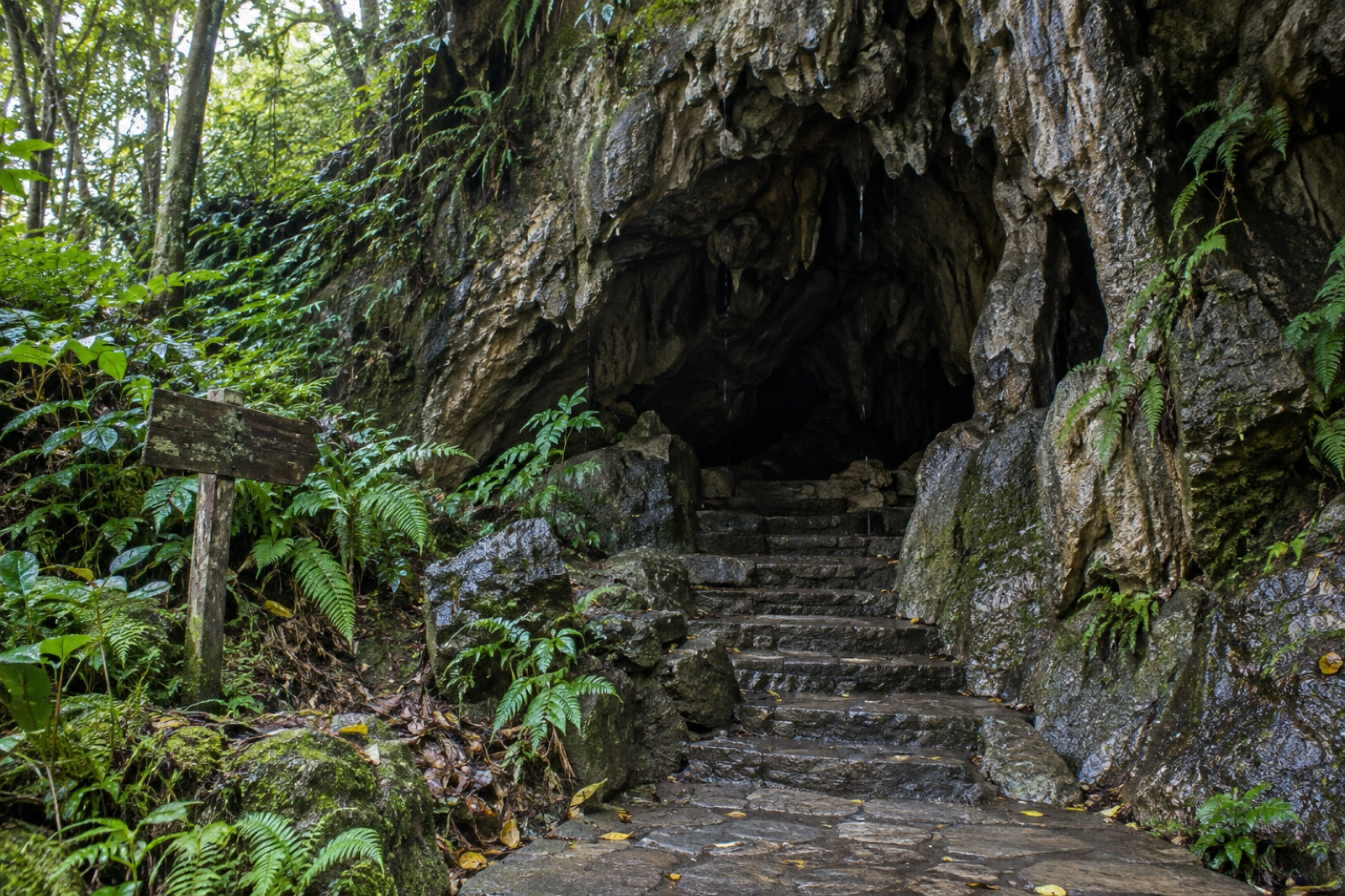
The river takes its name from the Nepali word seti, meaning "white": it carries fine glacial silt off the Annapurna and Machhapuchhre glaciers, giving the water a pale, milky cast that is strongest in and after the monsoon. As the Seti crosses Pokhara it has cut through the same soft limestone that produced the valley's caves, slicing a gorge so narrow that you can easily miss it from street level. The canyon is a defining feature of the city's geology, the surface expression of the same forces that hollowed out Mahendra Cave to the north and the Davis Falls sinkhole to the south.
What to see and do
Head for the bridges. The K.I. Singh bridge (Seti pul) at Bagar and the Mahendra Pul area near the old bazaar both give clear views down into the gorge, where the water churns far below your feet. There is no ticket and no fixed circuit — it is a quick, free stop you can fold into a walk through the historic centre. Bring a head for heights; the drop is sudden and dramatic. Photographers do best on bright days, when light reaches the bottom of the slot and the pale water glows.
How to visit
The gorge runs through the northern, central part of the city, near the old bazaar, about 15 to 25 minutes by taxi from Lakeside. The bridge viewpoints are open at any time and cost nothing. Allow only 15 to 20 minutes unless you are combining it with the surrounding temples and market. Stay behind the railings — the walls are sheer and the river is fast and cold.
Tips
- View it from the K.I. Singh bridge or Mahendra Pul for the clearest drop.
- Go around midday when light reaches the bottom of the narrow slot.
- It is free, so pair it with the nearby old bazaar and Bindhyabasini.
- Keep children well back from the unfenced edges away from the bridges.
Nearby
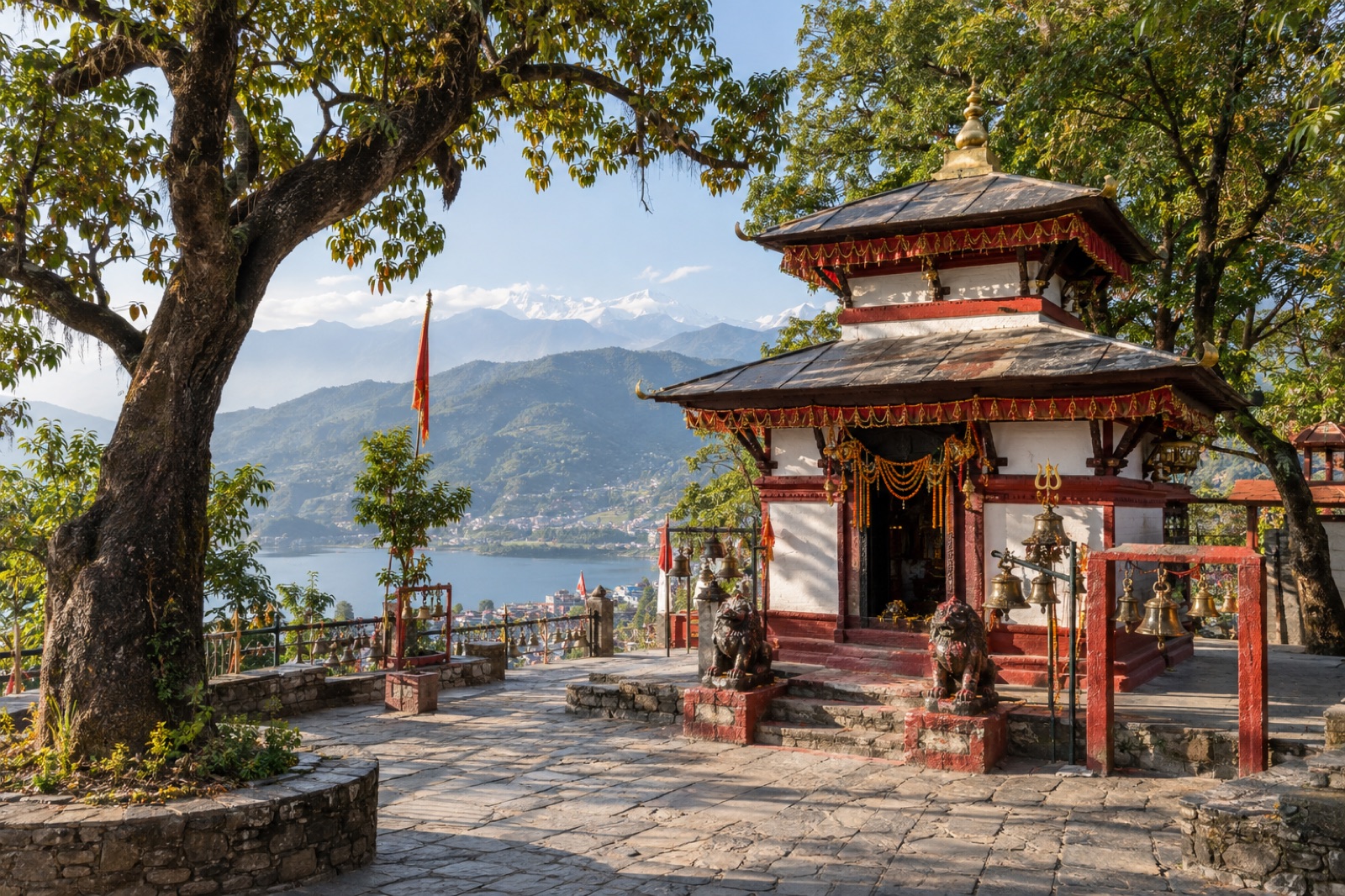
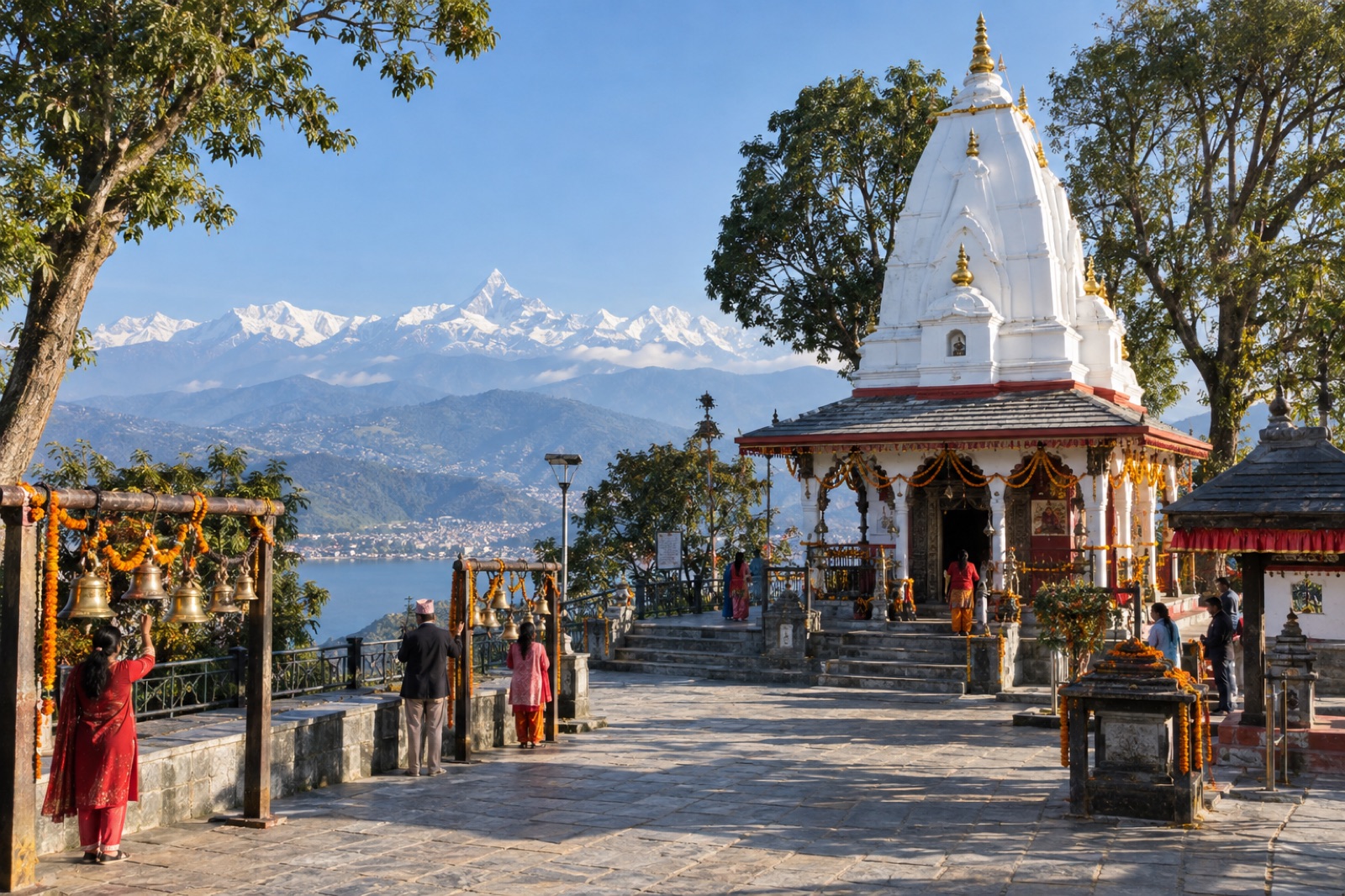
The gorge is an easy add-on to the old-town circuit: the markets of Pokhara Old Bazaar and the hilltop shrine of Bindhyabasini Temple are minutes away, and the northern caves at Mahendra Cave lie a little further out. To raft the same river downstream, see the warm, scenic Seti River rafting trip. Browse the full caves, gorges and temples of Pokhara collection or plan with the Pokhara hub.
Featured in
More what to do in Pokhara

Frequently asked questions
What is the Seti River gorge?+
It is a deep, extremely narrow canyon carved by the Seti Gandaki River as it runs through central Pokhara. In places the gorge is only a couple of metres wide at the surface while plunging tens of metres down, so the milky-grey river roars largely unseen beneath bridges, roads and even buildings.
Where can I see the Seti gorge?+
The best free viewpoints are from bridges near the old bazaar. The K.I. Singh bridge (Seti pul) at Bagar and the Mahendra Pul area both let you look straight down into the slot. Some sections are also visible from the grounds of the Gupteshwor area and near Davis Falls on the southern side.
Why is the Seti River white?+
The river carries fine glacial silt — 'seti' means white in Nepali — washed down from the Annapurna and Machhapuchhre glaciers. The suspended sediment gives the water its pale, milky-grey colour, especially during and after the monsoon.
Is the Seti gorge dangerous?+
The viewing bridges are safe, but the gorge walls are sheer and the water is fast and cold. Stay behind railings, keep children close, and never try to climb down to the river. The 2012 Seti flash flood is a reminder of how quickly the river can rise.