Things to do · Rara
Rara Region & the Karnali
The wider Rara and Karnali far-west: Jumla trek, Sinja Valley, Mugu, the Karnali River, winter, homestays and Khaptad.
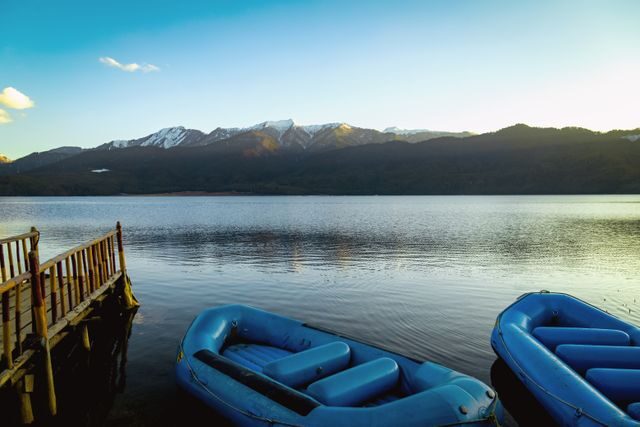
The Rara region and the wider Karnali make up Nepal's deepest, least-travelled far west — a province of high pine forests, terraced river valleys and ridge-top towns where few foreign visitors ever reach. Its centrepiece is Rara Lake, the largest lake in the country, set inside compact Rara National Park in remote Mugu district. But the region rewards travellers who look beyond the lake: this collection gathers the journeys, valleys and traverses that turn a single lake visit into a proper expedition across Karnali Province. Start at the Rara hub for the lake itself, then use the pins below to build out the wider trip.
Why the far west is different
Karnali is Nepal's largest province by area and its least developed — a place of empty highways, weather-dependent airstrips and self-reliant villages where comfort gives way to genuine wilderness. That very remoteness is the reward: pristine forests, near-empty trails, and a culture and landscape almost untouched by tourism. A trip here is less a tick-list than an immersion, so think in terms of journeys and seasons rather than a packed schedule.
Walk in from Jumla
The classic and most rewarding approach is on foot. The Jumla to Rara trek climbs from the high apple-and-rice town of Jumla over forested passes to the lake across several days, easing you into the altitude and the landscape. It pairs naturally with the lakeside Rara Lake trek and circuit once you arrive, and with the Murma Top and Chuchemara Danda viewpoints that crown the park.
History, towns and the river
The far west is not only wilderness. The Sinja Valley, a short detour from the Jumla route, was the medieval capital of the Khasa Malla kingdom and the birthplace of the Nepali language — a quiet valley of ruins, stone temples and terraced fields. The district town of Mugu and Gamgadhi is the practical hub for permits and supplies near the lake, building on our Gamgadhi and Talcha access guide. And threading the whole province is the Karnali River journey, Nepal's longest river, whose gorges carry one of the wildest multi-day rafting trips in the country.
Seasons, stays and the route beyond
Rara is a different place in the cold months — see Rara in winter for snow on the ridges, frozen mornings and near-empty trails, and time any trip with the best time to visit Rara. For where to sleep, Rara homestays explain the simple village lodging that brings you closest to far-western life, complementing the practical where to stay in Rara overview. For the truly ambitious, the Rara to Khaptad route is a long, remote traverse linking two of the far west's great protected landscapes.
How it all connects
Reaching any of this takes effort: flights via Nepalgunj to Talcha or Jumla, or the long overland Karnali Highway to Jumla. Plan the bigger picture with the far-western Nepal itinerary and read up on conditions in Nepal's national parks and wildlife. Tap any pin below for what to expect, how to reach it and when to go — and remember that in the Karnali, flexibility and self-sufficiency matter more than a tight schedule.
Trekking & treks


What to do

Rafting & rivers

Plan your trip

Frequently asked questions
What is the Rara and Karnali region?+
It is Nepal's deep far west — Karnali Province, the country's largest, poorest and least-visited region. Its highlights cluster around Rara Lake in Mugu, the historic Sinja Valley, the town of Jumla and the great Karnali River, with Khaptad National Park beyond to the southwest.
How many days do you need for the wider Rara region?+
Allow at least a week to combine Rara Lake with one nearby highlight such as the Jumla approach trek or the Sinja Valley. Two weeks lets you add the Karnali River journey or the long traverse onward to Khaptad. Build in buffer days for weather-dependent flights.
Is the Karnali region hard to travel?+
Yes, by Nepal standards. Roads are rough and slow, flights to Jumla and Talcha are weather-dependent, and facilities are basic. Most travel is on foot or by shared jeep, and self-sufficiency, warm clothing and flexible dates matter more here than anywhere else in the country.
When is the best time to visit the Rara region?+
Autumn (September to November) and spring (April to May) give the clearest skies and the most reliable flights. Winter brings hard frost and snow on the high ground, while the monsoon disrupts the small mountain flights and washes out the rough roads.