Wildlife · Rara
Wildlife of Rara: Red Panda & Musk Deer
Red panda, Himalayan musk deer, black bear and rich birdlife in the pristine forests around Rara Lake.
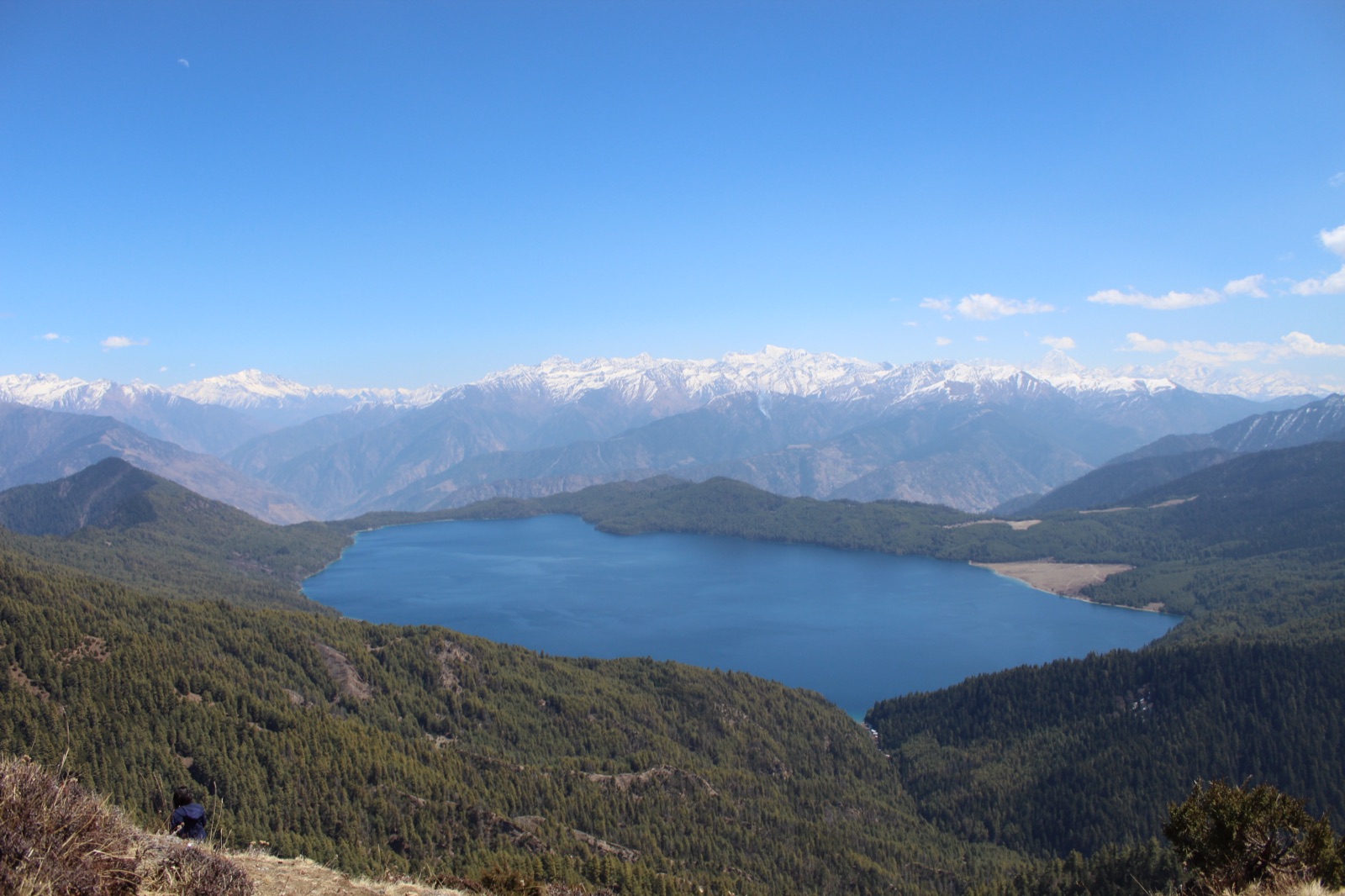
The forests of Rara National Park are among the most pristine in Nepal's far west, and despite the park's small size they shelter a surprising cast of rare Himalayan wildlife. The headline species are the red panda and the endangered Himalayan musk deer, both at home in the pine, spruce and fir forest that rings Rara Lake. This guide covers what lives here and how to look for it.
Red panda
Rara is one of the red panda's far-western strongholds. These shy, russet-coated tree-dwellers feed mainly on bamboo and forage in dense forest, so sightings are rare and a matter of luck. Walking quietly on forest trails at dawn with a local guide gives the best — if still slim — chance. For background on the species, see the national guide to the red panda.
Himalayan musk deer
The Himalayan musk deer is a small, solitary deer of the high forest, distinguished by fang-like canines rather than antlers. An endangered species, it haunts Rara's forested ridges and is most active at dawn and dusk. Patience and a quiet early walk give the best odds.
Other wildlife and birds
The park also holds Himalayan black bear, leopard, Himalayan tahr, jackal and otter, plus rich birdlife — pheasants in the forest and migratory waterfowl on the lake itself. Birdwatching is often the most rewarding wildlife activity here, as Rara sits on a flyway and the lake draws ducks, grebes and other waterbirds in passage, while the forest holds the colourful pheasants and smaller songbirds typical of the western Himalaya.
Where and when to look
The best wildlife habitat is the undisturbed forest on the slopes above the lake, including the climbs toward Murma Top and Chuchemara Danda. Dawn and dusk are the most active times, so a stay right at the lakeshore gives the easiest access to early walks. Autumn and spring combine clear weather with good activity; deep winter pushes some animals lower and quietens the birdlife, while the monsoon makes the forest trails slippery and the flights unreliable.
Manage expectations: Rara is not a big-game safari park like the Terai lowlands. Its mammals are shy, solitary and well camouflaged, and many visitors leave without a major sighting. What the park offers instead is the genuine thrill of pristine, low-traffic wilderness where every encounter is earned — a tahr on a far slope, a pheasant flushing from the undergrowth, or tracks in the morning dew. Going quietly with a knowledgeable local guide, keeping your distance and never feeding or disturbing animals all improve both your chances and the welfare of the wildlife.
Good to know
- Go quietly and early: A local guide, an early start and patience are the keys; most mammals are shy and elusive.
- Season: Clear-weather autumn and spring are best for walking the forest trails — see the best time to visit Rara.
- Wider picture: See where Rara fits in the wildlife of Nepal and browse the best things to do in Rara.
Frequently asked questions
Can you see red pandas at Rara?+
Rara National Park is one of the red panda's far-western strongholds, living in its pine, spruce and fir forest. Sightings are rare and a matter of luck — the animals are shy, solitary and well camouflaged — but the forest around the lake is genuine red panda habitat.
What is the Himalayan musk deer at Rara?+
The Himalayan musk deer is a small, solitary deer of the high forest, recognised by its fang-like canines rather than antlers. It is an endangered species found in Rara's forested ridges, most active at dawn and dusk and best looked for quietly on early walks.
What other wildlife lives at Rara?+
Besides red panda and musk deer, the park shelters Himalayan black bear, leopard, Himalayan tahr, jackal and otter, along with rich birdlife including pheasants and migratory waterfowl that use the lake. Its varied forest and meadow support this diversity.
What is the best way to spot wildlife at Rara?+
Walk quietly with a local guide early in the morning or near dusk, keep to the forest trails and viewpoints, and be patient. Most of Rara's mammals are shy and elusive, so birdwatching and tracks and signs are often the most reliable rewards.