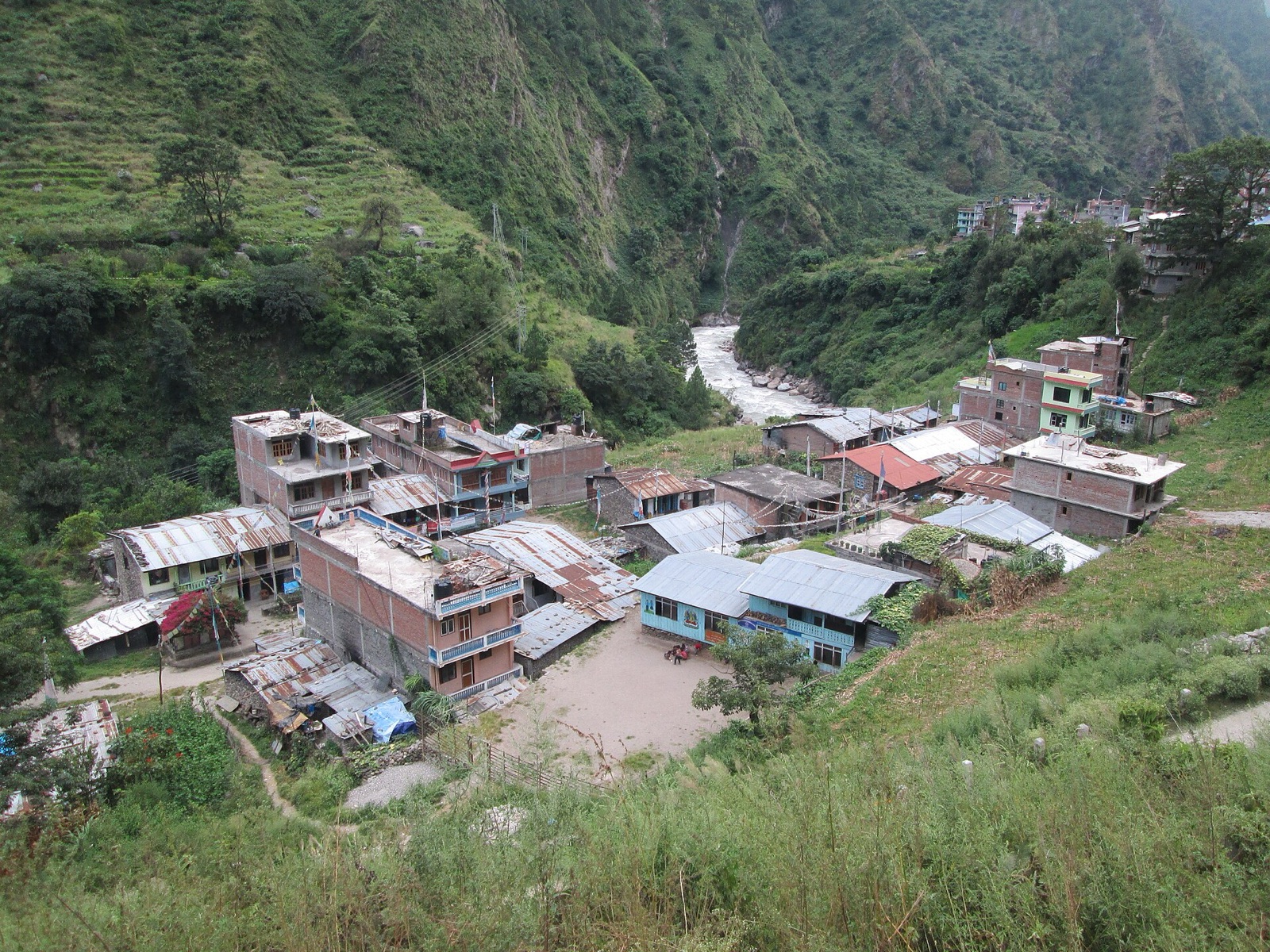
Photo: Rameshjarvis, CC BY-SA 4.0 via Wikimedia Commons
Travel tips · Syabrubesi
Best Time to Visit Syabrubesi
Autumn and spring bring the clearest Langtang trekking weather to the Syabrubesi roadhead.
The best time to visit Syabrubesi is autumn (October to November) and spring (March to May), the two main trekking seasons, when skies are clearest and the trails into Langtang are at their finest. The town is a low riverside roadhead at about 1,460m, so it stays reachable year-round, but your trip is really timed around the weather up in the mountains.
The short answer
Come in autumn for the crispest post-monsoon views and stable weather, or spring for warming days and rhododendron in bloom on the climb from the Langtang Valley trailhead. Avoid the monsoon for the mountains, and prepare for cold and possible snow on the trails if you come in winter. These align with the national best time to visit Nepal.
Autumn (October–November)
The prime season. After the monsoon clears the air, you get sharp mountain views, dry trails and settled weather — ideal for the Langtang Valley trek. It is also the busiest, so lodges fill and jeeps run packed; book ahead.
Spring (March–May)
The second-best window, with warming temperatures and the famous rhododendron forests in flower lower down. Skies are generally clear, though afternoon haze can build later in spring. A lovely time for both the high valley and the Tamang Heritage Trail.
Winter and monsoon
Winter (December–February) is cold but quiet; Syabrubesi stays open, but expect snow and frigid nights higher up and possible pass closures. Monsoon (June–September) brings rain, cloud, leeches and landslide risk on the road — the weakest time for views, though hardy cultural treks are still feasible.
Good to know
- Book ahead in autumn and spring; see where to stay in Syabrubesi.
- Allow buffer days for the long mountain drive — read how to get to Syabrubesi.
- Pack for altitude even from this low start; the trails climb fast.
For the season-by-season picture nationwide and trek planning, see the best time to visit Nepal and the Nepal trekking guide. For what to do once you arrive, see the top things to do in Syabrubesi, and for the overview the Syabrubesi travel guide.
Frequently asked questions
What is the best time to visit Syabrubesi?+
Autumn (October to November) and spring (March to May) are the best times, with stable weather, clear mountain views and comfortable trekking temperatures. Autumn brings the crispest skies after the monsoon, while spring adds blooming rhododendron forests on the climb into the Langtang valley.
Can you visit Syabrubesi in winter?+
Yes, Syabrubesi itself stays accessible in winter, though cold. The town is low at about 1,460m, but the trails above it see snow and very low temperatures from December to February, and high points and passes can be blocked. Winter trekking is possible with proper gear and flexible plans.
Is the monsoon a bad time to visit Syabrubesi?+
The monsoon (June to September) is the least favourable: heavy rain, cloud-hidden peaks, leeches in the forest and the risk of landslides and road delays on the mountain route. Some cultural and lower walks still work, but views are limited and the long drive can be slow or interrupted.
When is Syabrubesi busiest?+
Peak season is October and November, followed by March to May, when trekkers fill the jeeps and lodges each afternoon. Book accommodation ahead in these months. The town is quietest in deep winter and the monsoon, when far fewer travellers make the journey.


