Things to do · Pokhara
Places to Visit in Pokhara
A run-through of Pokhara's headline sights, from Phewa Lake and Sarangkot to caves and hilltop temples.
The best places to visit in Pokhara cluster around Phewa Lake and the wide Pokhara Valley beneath the Annapurnas: the lake and its island temple, a sunrise ridge, sacred caves and a thundering waterfall, hilltop shrines and a serious mountaineering museum. Pokhara is compact and laid-back, so you can string several of these together in a single relaxed day. This page is the practical rundown of the city's headline sights; for a structured plan see the Pokhara sightseeing guide.
Phewa Lake and Lakeside
The heart of Pokhara is Phewa Lake, Nepal's second-largest lake, ringed by green ridges and — on a clear morning — mirroring the Annapurna range. Base yourself in Lakeside (Baidam), the lakefront strip of cafes and guesthouses, and hire a wooden boat out to the Tal Barahi temple on its small island. The lakefront promenade and its lakeside cafes are made for a slow start to the day.
Viewpoints and the World Peace Pagoda
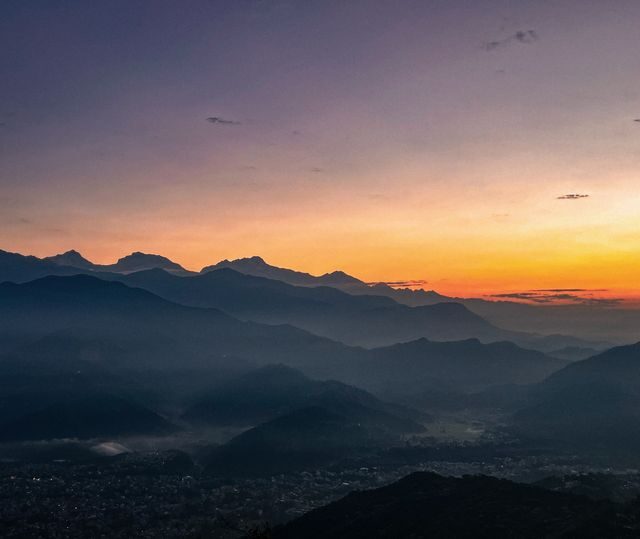
Pokhara is all about its mountain backdrop. The classic outing is a dawn trip to the Sarangkot sunrise viewpoint, where the Annapurnas and the fishtail peak of Machhapuchhre light up over the valley. Across the lake, the gleaming white World Peace Pagoda gives sweeping views of the city, lake and hills, reached by boat-and-hike or by road. For the full set of options, see the best viewpoints in Pokhara.
Caves, falls and temples
South of Lakeside, Davis Falls plunges into a sinkhole and vanishes underground, while the sacred Gupteshwor Mahadev Cave directly across the road descends toward the same hidden stream. North of the centre, Mahendra Cave is an easy limestone cavern, and the old bazaar holds the city's most revered shrine, Bindhyabasini Temple. To explore the underground and the old town in one go, follow the caves, gorges and temples of Pokhara cluster.
Museums and hilltops
For context on the peaks that draw trekkers here, the International Mountain Museum covers Himalayan summits, peoples and expeditions. For views without the early start, climb to Pumdikot, a ridge crowned by a giant Shiva statue overlooking Phewa Lake and the Annapurnas.
Planning your visit
Pokhara sits within the country's most-visited corridor, so it fits naturally into any Nepal trip — see the best places to visit in Nepal for the wider context, and time your days using the best time to visit Nepal. With two to three days you can cover the lake, a sunrise, the caves-and-falls cluster and a museum at a comfortable pace.
Frequently asked questions
What are the must-visit places in Pokhara?+
Phewa Lake with the island Tal Barahi temple, the Sarangkot viewpoint for sunrise, the World Peace Pagoda, the linked pair of Davis Falls and Gupteshwor Mahadev Cave, the International Mountain Museum and the hilltop Bindhyabasini Temple are the core sights.
How many places can you see in a day in Pokhara?+
A focused day covers four to five. A typical loop is a morning boat to Tal Barahi, then Davis Falls and Gupteshwor Cave, the World Peace Pagoda for views, and the Mountain Museum or a temple to finish.
Is Pokhara walkable or do you need transport?+
Lakeside itself is very walkable, but the major sights are spread across the valley, so most visitors hire a scooter, taxi or join a tour to link them. The caves, Pumdikot and the Mountain Museum are all short rides from the lake.
What is the best place to visit in Pokhara for first-timers?+
Phewa Lake. A boat trip to the Tal Barahi island temple, with the Annapurnas reflected in the water on a clear morning, is the single most representative experience and an easy introduction to the city.